Categories
Biology Covid-19

What Does Asymptomatic COVID-19 Look Like Under the Surface?

— Many individuals show subclinical abnormalities as well as differences from symptomatic patients
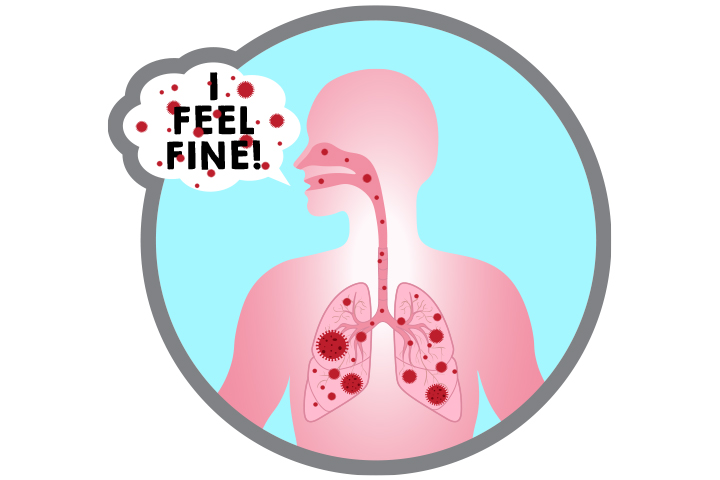
Asymptomatic individuals carrying SARS-CoV-2 shed the virus longer than those with COVID-19 symptoms, with other lab findings suggesting the symptomatic patients mounted more robust immune responses, a small study in China found.

Median duration of viral shedding among 37 asymptomatic patients was 19 days (interquartile range 15-26; range 6-45) versus 14 days among 37 matched symptomatic patients (IQR 9-22; log-rank P=0.028), reported Jing-Fu Qiu, PhD, of Chongqing Medical University, and colleagues, though viral shedding does not necessarily mean the patients were infectious.

Virus-specific IgG antibody titers and cytokine levels were also significantly lower among asymptomatic patients in the acute phase of infection, when viral RNA can be found in respiratory specimens, the authors wrote in Nature Medicine — both of which indicated that immune responses weren’t as strong in the asymptomatic group.

Asymptomatic transmission of COVID-19 is one of its biggest mysteries, with the World Health Organization recently reminding the public of the distinction between asymptomatic patients, who never develop symptoms, and presymptomatic patients, who go on to develop symptoms later in the course of disease.

Qiu and colleagues characterized asymptomatic carriers as the “silent spreaders” of COVID-19.

“However, our understanding of the clinical features and immune responses of asymptomatic individuals with SARS-CoV-2 infection is limited,” the researchers added.

For the study, they examined data from 178 patients with PCR-confirmed SARS-CoV-2 infection in the Wanzhou District in China, including 37 without symptoms. Median age in the latter was 41, and 22 were women. These individuals were matched by age, sex, and comorbidity with 37 symptomatic patients for antibody detection and cytokine measurement. Qiu and colleagues also included a group of 37 individuals who tested negative via RT-PCR for cytokine comparisons.

Lab values and imaging were not entirely normal for the asymptomatic group. Eleven had increased C-reactive protein levels and six had elevated levels of alanine aminotransferase. Chest CT found “focal ground-glass opacities” in 11 and “stripe shadows and/or diffuse consolidation” in another 10 of the group; in two-thirds of these 21 patients, the abnormalities were in only one lung. The remaining 16 showed entirely normal imaging.

Around 80% of both symptomatic and asymptomatic patients tested positive for IgG antibodies about 3-4 weeks after exposure. The difference was greater when examining IgM antibodies, with positive findings in 78.4% of symptomatic patients and 62.2% of asymptomatic patients.

In the early convalescent phase, defined as 8 weeks after hospital discharge, symptomatic patients had higher IgG levels, though both groups experienced over 90% decreases in IgG levels. A larger proportion of asymptomatic patients had decreases in neutralizing serum antibody levels versus symptomatic patients (81.1% vs 62.2%, respectively).

These findings should serve as a caution against assuming prior infection confers immunity to future infection, Qiu and colleagues said.

“These data might indicate the risks of using COVID-19 ‘immunity passports’ and support the prolongation of public health interventions, including social distancing, hygiene, isolation of high-risk groups, and widespread testing,” the team wrote.

Plasma levels of cytokines were also similar between asymptomatic patients and healthy controls, though significantly higher levels of stem cell factor and leukemia inhibitory factor were found in the asymptomatic group, the researchers noted, calling this a “reduced inflammatory response characterized by low circulating concentrations of cytokines and chemokines.”

Qiu and co-authors cited the varying sensitivity and specificity of antibody tests (obtained from a company called Bioscience) as a limitation to their study, adding that the results may be confounded by existing antibodies to other coronaviruses, such as SARS or MERS, as well as common cold viruses.

Categories
Biology human body

Can dual handedness boost your brain???

Only one percent of the global population is ambidextrous i.e., they have the ability to write with both the hands simultaneously. Leonardo da Vinci, Ben Franklin, Albert Einstein are some of the genius in history who are capable of writing with both their hands.

In India, there is an ambidextrous school where nearly 300 students are ambidextrous. They can write in high speed and utmost accuracy and most surprisingly they are able to write in six different languages like Hindi, English, Urdu, Sanskrit, Arabic and Roman.

But a question arises , ” Does Ambidextrousness improve the brain function and memory??”

Studies show that although teaching people to be ambidextrous is popular for centuries, this practice does not improve brain function, and it may even harm our neural development leading to dyslexia and dyscalculia, which are serious learning disabilities.

Research in Sweden found ambidextrous children to be at a greater risk for developmental conditions such as attention-deficit hyperactivity disorder. Another study revealed that these people performed worse than left or right-handers on a range of skills, especially in math, memory retrieval and logical reasoning. Also ambidextrous people are at a higher risk for schizophernia than the rest of the population (usually have the LRRTM1 gene which is linked with schizophrenia).

Categories
Biology human body

Gut microbes love a good workout

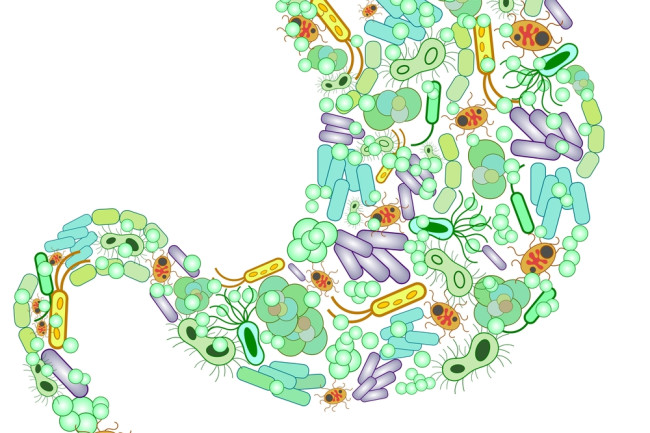
Exercise can have great effects on the trillions of microbes that live in our gut. Together the community of gut microbiome can weigh up to 2 kilograms (4.4 pounds).

Lucy Mailing, a nutritional scientist , performed a research on how exercise affects the gut microbiome at the University of Illinois Urbana-Champaign. The research showed that the microbes in active people made more short-chain fatty acids (SCFs) that are good for health. One of these was butyrate (BYOO-turayt). Studies have shown it can protect against certain cancers, fight inflammation and regulate genes that promote health. It may even enhance sleep. Our gut bacteria make such SCFAs from the fiber found in nuts, grains and many vegetables.

Riley Hughes studies nutritional biology at the University of California, Davis. She summarised research on exercise, diet and the microbiome in the January 2020 Frontiers in Nutrition. She says, “Multiple studies have found that exercise increases butyrate and other beneficial SCFAs. Athletes have more SCFAs in their gut than non-athletes.

Studies of how our gut and brain communicate are relatively new. But scientists have already discovered that childhood and adolescence are unique windows for recruiting these microbes. Regular exercise and a good diet during these early life stages create a healthy microbiome.

The final take home message remains the same : Exercise is good for you.

Categories
Biology human body

Bravo! the mystery resolved – “Brain clearing out the dead neurons”

In an average human body, tens of billions of cells die everyday. The dead and the dying cells must be quickly removed to prevent the development of inflammation, which could trigger the death of the neighbouring cells. Recently, the researchers at Yale School of Medicine have directly imaged the death of neurons in mice, as well as how the body clears them out afterwards.

Further down the line, these findings might even inform treatments for age-related brain decline and neurological disorders-once we know more about how brain clean-up is supposed to work, scientists can better diagnose what happens when something goes wrong.

The team focused on the “glial cells” responsible for doing the clean-up work in the brain, they used a technique called 2Phatal to target a single brain cell for apoptosis (cell death) in a mouse and then followed the route of glial cells using fluorescent markers.

Three types of glial cells – microglia, astrocytes, and NG2 cells – were shown to be involved in a highly coordinated cell removal process, which removed both the dead neuron and connecting pathways to the rest of the brain. The researchers observed one microglia engulf the neuron body and its main branches (dendrites), while astrocytes targeted smaller connecting dendrites for removal. They suspect NG2 may help prevent the dead cells debris from spreading.

The researchers also demonstrated that if one type of glial cell missed the dead neuron for whatever reason, other types of cells would take over their role in the waste removal process – suggesting some sort of communication is occuring between the glial cells.

Another interesting finding from the research was that older mouse brains were less efficient in clearing out dead neural cells, even though the garbage removal cells seemed to be just as aware that a dying cell was there.

New treatments might one day be developed that can take over this clearing process on the brains behalf – not just in elderly people, but also those who have suffered trauma to the head, for example.

Neurologist Elyiyemisis Damisah from Yale School of Medicine says, ” Cell death is very common in diseases of the brain. Understanding the process might yield insights on how to address cell death in an injured brain from head trauma to stroke and other conditions.”

For the first time scientists captured video of brain clearing out dead neuron

Categories
Biology Covid-19

Covid -19 : An Enigma for researchers

Coronaviruses were first identified as human respiratory pathogens, in the year 1965, and were known to demonstrate very high rate of mutation. Coronaviruses are enveloped (+) RNAs, that replicate in the cytoplasm. To deliver their nucleocaspid into the host cell, they rely on the fusion of their envelope with the host cell membrane. The spike glycoprotein (S) mediates this entry of the virus and acts as the primary determinant of cell tropism and pathogenesis. Glycoprotein (S) is classified as a class I fusion protein and is reponsible for binding to the receptor on the host cell, whilst mediating the fusion of the host and viral membranes. This is a process driven by major conformational changes of the S protein. On more technical terms, Corona viruses are the containers of the largest ssRNA genome of 33kb. Structurally, coronaviruses are enveloped viruses with round or pleomorphic virions which are 80 to 120 nm in diameter

This 1st generation of coronaviruses could not survive for long, owing to the host resistance. However, in 2002, new strains of these coronaviruses emerged. These strains of Coronaviruses had very similar genome sequences, and had been isolated from animals sold at markets, in China, where the first SARS cases had appeared. Antibodies to these viruses were found in people in China and some bat species. This small outbreak of corona can be consideed as one due to the 2nd generation of Corona viruses.

Finally, the Coronavirus outbreak of 2020-this outbreak had presented itself in the form of pneumonia of an unknown etiology, in Wuhan, China. This is named as SARS-CoV-2. It can be implied that recombination could have occurred, either by viral-viral or viral-host genes committing acts of “molecular piracy” to invade vertebrates and render them immunocompromised. This pandemic begets an extensive line of research by the world’s brightest to solve this enigma, consequently putting an end to it.

Categories
Biology Evolution

Should evolution be equated with ‘progress’???

Evolution should neither be equated with progress nor with the elimination of older, less efficient species. Continuation of old species depends upon the environment. The new species may or may not be better. Formation of new species depends upon the occurrence of physical or reproductive barriers, genetic drift and natural selection that leads to the formation of new population or species which is unable to interbreed with the original population.

In fact, there is no real ‘progress’ in the idea of evolution. Evolution is ‘simply the generation of diversity and the shaping of the diversity by environmental selection’. The only progressive trend in evolution seems to be that more and more complex body designs have emerged over time. However, again, it is not as if the older designs are inefficient. Many of the older and simpler designs still survive. In fact, one of the simplest life forms – bacteria – in-habitat the most inhospitable habitats like hot springs, deep – sea thermal vents and the ice in Antarctica. In other words, human beings are not the pinnacle of evolution, but simply yet another species in the teeming spectrum of evolving life.

Thus, there is no such thing as ladder of progress but there are branches from the family tree of species.

Categories
Biology

WHAT IS BIOLOGY????

Biology = Science about Nature

Biology means to know the laws by which all living organisms exist, right from the smallest algae or microorganism to the biggest blue whale is studied under biology.

Modern biology studies the structure, function, growth, distribution and evolution of living organisms. The general concepts of biology are that the ‘cell’ is the basic unit of life, ‘genes’ are the basic unit of heredity & ‘evolution’ is the reason for diversity.

Organisms survive by consuming and transforming energy and all organisms maintain a stable internal environment.

Design a site like this with WordPress.com
Get started