Categories
Biology human body

HOLIDAY CRAVINGS? HOW TO ENJOY WITHOUT BLOATING!!

  • Holiday feasting can leave you feeling bloated and uncomfortable.
  • Experts share ways to ease your stomach discomfort this holiday season.
  • Knowing your triggers, swapping foods, and limiting alcohol can all help make holiday meals more pleasant.

A full and heavy belly can mean great things were just consumed, but it can also mean uncomfortable things are about to happen.

For many Americans, that feeling is just par for the course during holiday celebrations.

According to research from the Calorie Control Council, a typical Thanksgiving dinner is packed with over 3,000 calories. That’s almost double the recommended calorie intake for adult women based on the 2020-2025 Dietary Guidelines for AmericansTrusted Source.

And stomachs can only hold so much food before they hit their capacity.

For instance, on average, an adult’s stomach is similar in size to a clenched fistTrusted Source. It can hold about 2.5 ounces if it’s emptyTrusted Source and expand to hold around 1 quart.

As you fill your stomach up to its capacity, doing so can cause discomfort, including indigestion and even nausea.

To help banish that overfed, lethargic, bloated feeling, nutrition experts say the following 5 tips can help reduce intestinal discomfort during the holiday season.

1. Recognize your triggers

As a guest of a party, you might find yourself at the mercy of what the host is serving, which can mean you might not know exactly what ingredients they are using to prepare their food.

However, knowing ahead of time what ingredients trigger discomfort can help eliminate bloat.

“Whether it’s dairy, gluten, or some other food, being aware of food intolerances and other triggers is important so you can avoid or limit them in order to prevent digestive issues like bloating,” Michael Hartman, PhD, nutrition expert, told Healthline.

He suggested asking the host before the party what they intend on serving and what ingredients are in the food.

“The last thing they want is for you to feel unwell,” said Hartman.

To identify foods that trigger bloat, Erin Palinski-Wade, registered dietitian and author of Belly Fat Diet For Dummies, recommended keeping a daily food record and looking for patterns.

“It is best to track the food you eat, the portions, the timing, emotions at the time (happy, stressed, etc.) as well as any symptoms you feel,” she told Healthline. “This can allow you to look for patterns to identify foods that may cause bloat as well as help you to see if other factors such as stress may be aggravating your symptoms.”

2. Don’t save calories for the party

Eating consistently throughout the day can help keep you from over-eating at the party.

“Waiting too long in-between meals until you are ravenous can often lead to eating too fast and too much, which can trigger an increase in bloating,” said Palinski-Wade.

Instead of “saving” all your calories for a big meal, she said to eat consistent meals and snacks to support digestion throughout the day.

“Watch out for foods that may trigger bloat, such as large amounts of cruciferous vegetables at one sitting, eating more fiber than you generally would without building up, or eating meals with large amounts of fats, sodium, and added sugar,” she said.

3. Make food swaps 

Whether you’re the host or know what the host will be serving at the party, you can provide alternative options to choose from.

“If you’re trying to build a healthy relationship with food, there are simple healthy holiday food swaps you can make,” said Hartman.

For instance, if dairy-filled cheese balls and crackers are a typical appetizer at your holiday dinner table, he said to try mixing it up this year with hummus, pita, and fresh veggies.

Instead of buttery mashed potatoes, consider switching to a sweet potato alternative.

“And, rather than going for a rice dish that’s high in starch, reach for legumes which are rich in potassium, a mineral that helps flush out excess bloat-causing sodium,” Hartman said.

Palinski-Wade suggested using milk in replacement of heavy cream to cut the fat in recipes and reduce large amounts of salt by using flavorful spices like cinnamon and nutmeg.

If swapping feels overwhelming or like too much work, she said to stick to eating in moderation. Her favorite strategy for doing this at holiday meals is to review all food offerings first before adding them to her plate.

“Then build a balanced plate filling 1/3 with produce, 1/3 with lean protein, and the remaining 1/3 with any favorite side dishes,” she said. “This allows you to enjoy all the offerings without overdoing it, which can help reduce bloat.”

3. Make food swaps 

Whether you’re the host or know what the host will be serving at the party, you can provide alternative options to choose from.

“If you’re trying to build a healthy relationship with food, there are simple healthy holiday food swaps you can make,” said Hartman.

For instance, if dairy-filled cheese balls and crackers are a typical appetizer at your holiday dinner table, he said to try mixing it up this year with hummus, pita, and fresh veggies.

Instead of buttery mashed potatoes, consider switching to a sweet potato alternative.

“And, rather than going for a rice dish that’s high in starch, reach for legumes which are rich in potassium, a mineral that helps flush out excess bloat-causing sodium,” Hartman said.

Palinski-Wade suggested using milk in replacement of heavy cream to cut the fat in recipes and reduce large amounts of salt by using flavorful spices like cinnamon and nutmeg.

If swapping feels overwhelming or like too much work, she said to stick to eating in moderation. Her favorite strategy for doing this at holiday meals is to review all food offerings first before adding them to her plate.

“Then build a balanced plate filling 1/3 with produce, 1/3 with lean protein, and the remaining 1/3 with any favorite side dishes,” she said. “This allows you to enjoy all the offerings without overdoing it, which can help reduce bloat.”

4. Add leafy greens to your plate

Vegetables like spinach, kale, bok choy, asparagus, and chard have a high-water content and are also low in calories and packed with vitamins, minerals, and fiber. “[They] work well to reduce bloating,” said Hartman.

While eating vegetables regularly is a great way to add fiber to the diet, Palinski-Wade cautioned that increasing fiber gradually is the best way to promote healthy bowel movements and reduce bloat.

“If you increase your vegetable intake quickly without adjusting to an added fiber intake, this may result in more bloat,” she said. “Also, if you do not increase your water intake as you increase fiber, this can lead to bloat and constipation as well.”

She recommended adding an extra half cup of leafy greens every 3 days to slowly increase your intake to improve digestion without the bloat.

“Cruciferous vegetables like broccoli can cause more gas as well, so these are often best to enjoy cooked versus raw to lessen the impact on bloat,” said Palinski-Wade.

5. Limit alcoholic drinks 

While alcoholic drinks are often part of celebrating the holidays, drinking alcohol after eating heavy meals can make a swollen stomach worse.

“Alcohol is an inflammatory substance that can slow digestion and increase water retention, making you feel lethargic. It can also lead to swelling in the body, which can result in gas, discomfort, and bloating,” said Hartman.

To prevent dehydration and up your water intake, Palinski-Wade said to leave visual reminders like setting your water bottle out where you can see it during the day. She also suggested setting an alarm on your phone to encourage you to sip on water or use an app to track your intake.

“Spacing water out helps to prevent bloat, but don’t try to chug water all at once since that may increase bloat as well,” she said.

To moderate alcohol intake, Palinski-Wade said it’s best to keep to drinking one glass of an alcoholic beverage for women and two glasses for men per day. Plus, for every glass of alcohol you consume, drink at least one glass of water.

“During holiday celebrations, try incorporating fun mocktails made with sparkling water and 100% juice as a delicious way to enjoy the celebration without the added bloat the next day,” she said.

Her favorite go-to concoction is 1 cup of seltzer water with ¼ cup tart cherry juice and a slice of lime “for an antioxidant-rich drink that looks just like a fancy glass of wine.”

Hartman suggested ditching the mulled wine and spiked eggnog and opting for a nonalcoholic cider or punch instead.

SIGN UP NOW

Categories
Biology human body

Foods in osteoporosis

Eating a healthy diet rich in essential nutrients such as calcium, vitamin D, and protein can help reduce the risk of osteoporosis. In addition, limiting caffeine and alcohol intake may be beneficial for bone health, especially among older adults.

Worldwide, 1 in 3 females and 1 in 5 males over the age of 50 will be affected by a broken bone due to osteoporosis, and osteoporosis or low bone mass affects 54%Trusted Source of Americans.

A person’s diet can affect bone health, so people must consider nutrition to maintain their bone mass.

This article discusses how nutrients affect the bones and which foods are best to eat and avoid.

How diet affects bone health

Bone does not remain static throughout life — it is constantly breaking down and rebuilding as part of normal bone metabolism.

Two main types of cellsTrusted Source, osteoblasts and osteoclasts, participate in this process. Osteoblasts form new bone, while osteoclasts break down old bone in a process called resorption.

However, if bone metabolism becomes unbalanced, bones can become less dense, weaker, and brittle. As a result, a doctor may diagnose low bone mass or osteoporosis.

Several factorsTrusted Source can cause bone loss, including aging, menopause, and certain medications.

Moreover, consuming key nutrients for bone health can help to reduce the risk of osteoporosis and keep bones healthy.

Individuals should ensure to include the following nutrients and foods in their diet to keep bones healthy:

Calcium 

The National Institute of Arthritis and Musculoskeletal and Skin Diseases advises that low calcium intake throughout life has an association with low bone mass and high fracture rates.

From 51 years, females require 1,200 milligrams (mg) of calcium daily, and males need 1,000 mg.

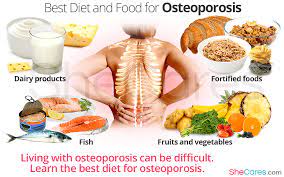
People can ensure they consume calcium by including dairy or soy products, fish with bones, and leafy green vegetables in their diets.

The following shows the calcium content of some common foods:

  • fortified oatmeal, packet: 350 mg calcium
  • sardines, canned in oil, with edible bones, 3 ounces (oz): 324 mg calcium
  • cheddar cheese, 1.5 oz, shredded: 306 mg calcium
  • milk, nonfat, 1 cup: 302 mg calcium
  • tofu, firm, with calcium, 0.5 cup: 204 mg calcium
  • orange juice, fortified with calcium, 6 oz: 200–260 mg calcium
  • baked beans, 1 cup: 142 mg calcium

Vitamin D

The body needs vitamin D to absorb calcium, and a deficiency of vitamin D could cause the weakening of the bones and skeleton.

Experts recommend that individuals up to 70 years have a daily intake of 600 IU (International Units) of vitamin D.

People over age 70 should increase their uptake to 800 IU daily, which they can also obtain from supplements.

People can get vitamin D from sunlight and food. The following foodsTrusted Source contain vitamin D:

  • egg yolks
  • oily fish such as salmon, trout, mackerel, and tuna
  • beef liver
  • cheese
  • mushrooms that producers have treated with UV light
  • milk, margarine, orange juice, and cereals that manufacturers have fortified with vitamin D

Protein

Research suggests that protein can be both beneficial and detrimental to bone health, as different studies have produced different results on the effects of protein on bone health.

However, according to the Framingham OsteoporosisTrusted Source study, there is a link between low protein intake and greater bone loss and hip fractures in older adults.

The study concluded that the combination of sufficient protein and calcium intake appears to benefit bone mineral density (BMD).

Therefore, eating a diet with sufficient protein and calcium seems wise. Protein-rich foods include:

Micronutrients and antioxidants in fruits and vegetables

The Framingham Osteoporosis Study identified that people with a higher fruit and vegetable intake had better BMD and less bone loss.

The nutrients in fruits and vegetables that the study indicated are beneficial to bone health includeTrusted Source:

2017 cross-sectional studyTrusted Source of Chinese people aged 40–75 years found that a higher fruit and vegetable intake correlates with higher BMD and lowers the risk of osteoporosis.

Additionally, a 2019 meta-analysisTrusted Source found moderate-quality evidence that increasing a person’s fruit and vegetable intake by at least one serving per day decreases the risk of fractures.

Foods to limit or avoid

In addition to eating a healthy diet to support bone health, people should be aware of some detrimental foods and drinks.

Salt

According to the National Institute of Arthritis and Musculoskeletal and Skin Diseases, overconsumption of salt can cause the kidneys to excrete calcium.

Therefore, people who have a low calcium intake should avoid adding salt to food or eating too many processed foods that can contain excess salt.

Foods containing oxalates and phytates

The Bone Health and Osteoporosis Foundation advises that some substances in food can interfere with the body’s ability to absorb calcium.

These include phytates in beans, wheat bran, and legumes and oxalates in spinach and beets. Soaking and cooking these foods can help to reduce these compounds.

Alcohol

Experts advise that alcohol negatively affects bone health for several reasons.

Firstly, drinking excessive alcohol can interfere with the body’s absorption of calcium and vitamin D.

In addition, chronic heavy drinking can disrupt hormones, such as elevating cortisol levels, which can break down more bone. Males may produce less testosterone, a hormone that has links to bone formation, while females may notice irregular menstrual cycles. Irregular menstrual cycles can reduce the amount of estrogen in the body, which increases the risk of osteoporosis.

Moreover, people under the influence of alcohol are more at risk of falls and bone fractures.

Caffeine

A 2021 study found that 800 mg of caffeine consumed in 6 hours increased the clearance of calcium by the kidneys by 77%Trusted Source.

An older studyTrusted Source suggests that as coffee may increase the amount of calcium the body excretes in urine, people should not drink more than three cups per day, especially if they are older.

Additionally, the Bone Health and Osteoporosis Foundation advises that caffeine in soft drinks such as colas can have the same adverse effects.

Learn 11 ways to increase bone density naturally.

Summary

To protect bones throughout life, people should eat a healthy diet containing essential nutrients and engage in physical activity.

Calcium, vitamin D, and protein are vital protective nutrients and vitamins, minerals, and antioxidants in fruit and vegetables.

Older adults may wish to limit coffee to three cups per day and avoid excessive alcohol.

Avoiding excessive alcohol and salt may be beneficial for everyone for overall health and well-being, especially those who have limited calcium intake.

Categories
Biology human body

Alcohol And Liver Damage


There are many health risks of chronic alcohol abuse, ranging from high blood pressure to stroke. People are most familiar with alcohol’s negative effects on the liver.

Heavy drinkers have an increased risk of jaundice, cirrhosis, liver failure, liver cancer, and many other conditions.

The definition of heavy drinking is consuming 8 drinks or more per week for women and 15 or more for men. Even a single binge-drinking episode can result in significant bodily impairment, damage, or death.

Outpatient and inpatient treatment for alcohol addiction can make quitting easier.

How Alcohol Affects The Liver

The liver breaks down and filters out harmful substances in the blood and manufactures the proteins, enzymes, and hormones the body uses to ward off infections. It also converts vitamins, nutrients, and medicines into substances that our bodies can use. The liver is also responsible for cleaning our blood, producing bile for digestion, and storing glycogen for energy.

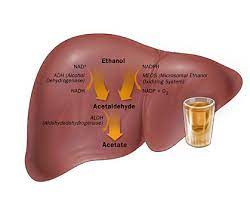
The liver processes over 90% of consumed alcohol. The rest exits the body via urine, sweat, and breathing.

It takes the body approximately an hour to process 1 alcoholic beverage. This time frame increases with each drink. The higher someone’s blood alcohol content, the longer it takes to process alcohol. The liver can only process a certain amount of alcohol at a time. When someone has too much to drink, the alcohol left unprocessed by the liver circulates through the bloodstream. The alcohol in the blood starts affecting the heart and brain, which is how people become intoxicated. Chronic alcohol abuse causes destruction of liver cells, which results in scarring of the liver (cirrhosis), alcoholic hepatitis, and cellular mutation that may lead to liver cancer. These conditions usually progress from fatty liver to alcoholic hepatitis to cirrhosis, although heavy drinkers may develop alcoholic cirrhosis without first developing hepatitis.

Per University Health Network, a safe amount of alcohol depends on a person’s weight, size, and whether they are male or female. Women absorb more alcohol from each drink in comparison to males, so they are at greater risk of liver damage. Consuming 2 to 3 alcoholic drinks daily can harm one’s liver. Furthermore, binge drinking (drinking 4 or 5  drinks in a row) can also result in liver damage.

Mixing alcohol with other medications can also be very dangerous for your liver. Never take alcohol and medication simultaneously without speaking with your physician first. When combined, certain medications (such as Acetaminophen) can lead to severe damage to your liver. Other medications that are dangerous to combine with alcohol include Antibiotics, Antidepressants, Sedatives, and Painkillers.

Symptoms Of Liver Disease

Heavy drinkers face a higher risk of developing a range of liver diseases when compared to moderate drinkers. As many as 20% of heavy drinkers develop fatty liver disease, although fatty liver disease is typically reversible with abstinence. Alcoholic hepatitis, inflammation that causes liver degeneration, can further develop into cirrhosis and may even be fatal. However, this is also reversible with abstinence.

People who regularly abuse alcohol have a compounded risk of developing liver disease if they develop an infection or are genetically predisposed to liver problems. Those consuming more than 2 drinks on a daily basis put themselves at risk of liver disease.

Common symptoms of liver disease include:

  • Yellowish skin and eyes (jaundice)
  • Abdominal pain and swelling
  • Swelling in legs and ankles
  • Dark urine
  • Nausea or vomiting
  • Itchy skin
  • Discolored stool
  • Tendency to bruise easily
  • Chronic fatigue
  • Fever
  • Disorientation
  • Weakness
  • Loss of appetite
  • Pale, bloody, or tar-colored stool

Liver disease caused by alcohol is avoidable. Most reputable sources cite moderate alcohol consumption as 1 drink per day for women and 2 for men. In general, there isn’t a type of alcoholic beverage that is safer for the liver.

Treatment For Liver Disease And Alcoholism

Many forms of liver damage can be reversible if you stop drinking or take other steps.

  • Fatty Liver disease –Reversible with abstinence
  • Alcoholic Hepatitis –Reversible with abstinence
  • Cirrhosis –Abstinence is helpful; however, it is usually fatal due to secondary complications. These can include kidney failure or hypertension in the vein carrying blood to the liver. It could stabilize with abstinence but is case-by-case sensitive.
  • Liver Cancer –Same as cirrhosis

If you have an alcohol addiction and symptoms of liver damage, it’s important to find help as soon as possible.

Between 15% and 30% of heavy drinkers are diagnosed with cirrhosis each year, but the majority of those with this disease survive if they seek treatment for their addiction. Despite this, between 40% and 90% of the 26,000 annual cirrhosis deaths are alcohol-related.

Alcohol liver diseases
Design a site like this with WordPress.com
Get started