Categories
Biology

WOO-HOO!! WE CAN NOW REVERSE CELL AGING!

Turning off a newly identified enzyme could reverse a natural aging process in cells.

Research findings by a KAIST team provide insight into the complex mechanism of cellular senescence and present a potential therapeutic strategy for reducing age-related diseases associated with the accumulation of senescent cells.

Simulations that model molecular interactions have identified an enzyme that could be targeted to reverse a natural aging process called cellular senescence. The findings were validated with laboratory experiments on skin cells and skin equivalent tissues, and published in the Proceedings of the National Academy of Sciences (PNAS). 

“Our research opens the door for a new generation that perceives aging as a reversible biological phenomenon,” says Professor Kwang-Hyun Cho of the Department of Bio and Brain engineering at the Korea Advanced Institute of Science and Technology (KAIST), who led the research with colleagues from KAIST and Amorepacific Corporation in Korea. 

Cells respond to a variety of factors, such as oxidative stress, DNA damage, and shortening of the telomeres capping the ends of chromosomes, by entering a stable and persistent exit from the cell cycle. This process, called cellular senescence, is important, as it prevents damaged cells from proliferating and turning into cancer cells. But it is also a natural process that contributes to aging and age-related diseases. Recent research has shown that cellular senescence can be reversed. But the laboratory approaches used thus far also impair tissue regeneration or have the potential to trigger malignant transformations. 

Professor Cho and his colleagues used an innovative strategy to identify molecules that could be targeted for reversing cellular senescence. The team pooled together information from the literature and databases about the molecular processes involved in cellular senescence. To this, they added results from their own research on the molecular processes involved in the proliferation, quiescence (a non-dividing cell that can re-enter the cell cycle) and senescence of skin fibroblasts, a cell type well known for repairing wounds. Using algorithms, they developed a model that simulates the interactions between these molecules. Their analyses allowed them to predict which molecules could be targeted to reverse cell senescence.

They then investigated one of the molecules, an enzyme called PDK1, in incubated senescent skin fibroblasts and three-dimensional skin equivalent tissue models. They found that blocking PDK1 led to the inhibition of two downstream signaling molecules, which in turn restored the cells’ ability to enter back into the cell cycle. Notably, the cells retained their capacity to regenerate wounded skin without proliferating in a way that could lead to malignant transformation.

The scientists recommend investigations are next done in organs and organisms to determine the full effect of PDK1 inhibition. Since the gene that codes for PDK1 is overexpressed in some cancers, the scientists expect that inhibiting it will have both anti-aging and anti-cancer effects.

THE SCIENTISTS CONDUCTED WHAT IS KNOWN AS AN ENSEMBLE MODEL SIMULATION TO IDENTIFY MOLECULES THAT COULD BE TARGETED TO REVERSE CELL SENESCENCE. THEY THEN USED THE MODEL TO PREDICT THE EFFECTS OF INHIBITING PDK1 IN SENESCENT CELLS, AND CONFIRMED THE RESULTS IN LAB-CULTURED CELLS AND SKIN EQUIVALENT TISSUE MODELS.
Categories
Covid-19 environment

Let’s go BLUE for a COVID-19 recovery!!

“The ocean economy may be a victim of the impacts of the COVID-19 crisis, but it also holds solutions for rebuilding a more resilient, sustainable and equitable post-COVID world.”

– A Sustainable & Equitable Blue Recovery to the COVID-19 Crisis Report

Ocean and coastal habitats provide an essential workplace for the world’s small-scale fishers, and coastal communities rely on the ocean for jobs, food, health, and cultural traditions. In fact, the ocean economy adds approximately US$1.5 trillion in value globally (OECD 2016). But the COVID-19 pandemic disproportionally impacts the ocean economy and these communities, especially those from Small Island Developing States (SIDS).

new special report commissioned by the High-Level Panel for a Sustainable Ocean Economy (the Ocean Panel) recognizes the ocean economy’s vital role and the pandemic’s devastating impacts on ocean workers and the marine sector—and importantly, offers recovery solutions.

“A Sustainable and Equitable Blue Recovery to the COVID-19 Crisis”, as the name implies, recognizes the power of nature to help solve daunting global issues like climate change and pandemics. The report was released ahead of Climate Week NYC and a Rare-facilitated high-level roundtable meeting of coastal countries, where officials issued a joint message acknowledging the importance of the small-scale fishing sector to a blue (or green) recovery: that by implementing coastal and marine nature-based solutions, small-scale fishers can improve food security, nutrition, and the local economies of coastal nations, and enhance coastal resilience from climate change.

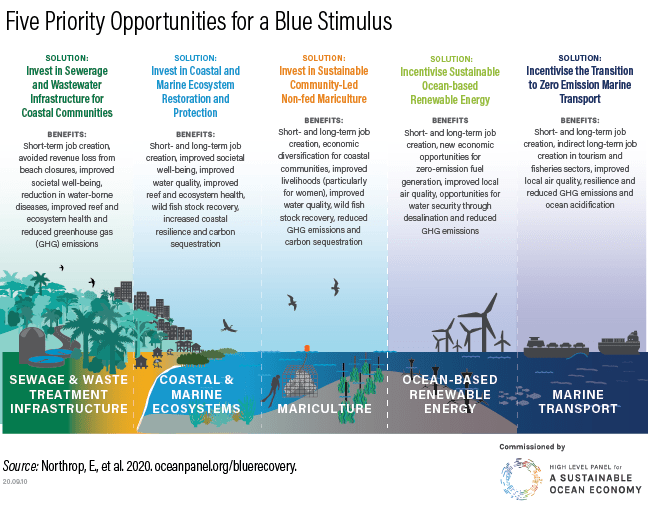
As a member of the Ocean Panel’s Advisory Network, Rare supports the five blue stimulus opportunities for government investment in COVID-19 crisis recovery outlined in the report. These proposed solutions deliver short-term relief to the economy and long-term economic, social, and environmental resilience. Moreover, they are considered a win-win for immediate assistance and forward-looking sustainable planning, known as a ‘no regrets’ investment strategy.

Fish Forever, Rare’s coastal fisheries program, prioritizes the report’s solution related to coastal and marine ecosystems: Invest in Coastal and Marine Ecosystem Restoration and Protection. Fish Forever uses behavioral insights to inspire fishing communities — fishers, fish buyers and traders, community members, and their local government — to adopt more responsible behaviors related to coastal fishing and implement nature-based solutions to protect their natural resources.

Investing in a nature-based solution like restoring and protecting coastal and marine ecosystems benefits coastal fishing households and their communities. This solution also has a host of benefits critical for a blue recovery, including the following five:

  1. Improves Food Security – Protecting coastal ecosystems supports ample fish resources and fish breeding habitat, which safeguards fishing communities by strengthening food security during times of crisis. Technology innovations, like Rare’s OurFish App referenced in the report, show how a nature-based approach to resource management benefits the community and improves food security: the app digitally helps to manage and understand fish stock and finance trends and enables fishing communities to monitor the value, type and local amount of fish caught.
  2. Enables Sound Financial and Household Decision-Making – Establishing Savings Clubs led by small-scale fishers empowers its members, often majority women, to manage their long-term household finances. It also raises awareness of the actions needed to enforce fish sanctuaries for coastal habitat protection and community livelihoods’ sustainability. This approach to behavior change “can powerfully affect the long-term strategy behind coastal fisheries conservation and the goal of ending overfishing,” as the report explains.
  3. Enhances Economic, Social, and Environmental Resilience – Investing in coastal and marine ecosystem restoration and protection can also expand job opportunities, such as protected areas enforcement officers, development planners, environmental engineers, and ecological restoration scientists. In addition to job security, nature-based solutions support the healthy natural resources that protect small-scale fishers’ livelihoods.
  4. Manages Natural Resources Sustainably – Ensuring coastal and marine ecosystem integrity further increases economic productivity by improving fisheries and tourism opportunities. Sustainable management also allows for more significant investment opportunities in blue carbon activities focused on climate mitigation and adaptation benefits from mangroves, seagrasses, and tidal salt marshes.
  5. Builds Community Pride – Stakeholder engagement and collaboration with public and private sectors, including small-scale fishers and their families, are critical for building pride in and ownership of more sustainable behaviors and community-based programs. Co-owning and managing natural resources and ensuring the inclusion of women and Indigenous communities has also demonstrated long-lasting benefits and delivers on many of the UN’s sustainable development goals.

Farmers and fishers rely on healthy ecosystems and strong local governance and management to thrive. Building back better from the impacts of COVID-19 will require a global blue recovery effort that not only prioritizes nature-based solutions but empowers coastal communities and their leaders to champion blue solutions.

BLUE solutions for COVID-19 recovery

Categories
Biology Evolution human body

New microevolutinary change :Median artery in the human forearm

The median artery is the main vessel that supplies blood to the forearm and hand, when first formed in the mother’s womb, but it disappears once two arteries seen in adults develop.

The radial and ulnar arteries usually replace the median artery during developmental stages in the womb, so most adults obviously don’t have a median artery, but increasing numbers of cases retain it, so a person can have all three arteries.

The median artery is now present in about 35% of people and researchers predict that people born 80 years from now will all carry a median artery if the trend continues.

“The median artery offers benefits because it increases overall blood supply and can be used as a replacement in surgical procedures in other parts of the human body,” said senior author Professor Maciej Henneberg, a researcher in the Biological Anthropology and Comparative Anatomy Research Unit at the University of Adelaide and the Institute of Evolutionary Medicine at the University of Zurich.

“This is microevolution in modern humans and the median artery is a perfect example of how we’re still evolving because people born more recently have a higher prevalence of this artery when compared to humans from previous generations.”

In the study, Professor Henneberg and colleagues aimed to investigate the prevalence of persistent median arteries in postnatal humans over the last 250 years and to test the hypothesis that a secular trend of increase in its prevalence has occurred.

They found a total of 26 median arteries in 78 upper limbs (a prevalence rate of 33.3%) obtained from Australians aged 51 to 101 years.

“Our study into the prevalence of the artery over generations shows that modern humans are evolving at a faster rate than at any point in the past 250 years,” said lead author Dr. Teghan Lucas, a researcher in the Department of Archaeology at Flinders University and the School of Medical Sciences at the University of New South Wales.

“Since the 18th century, anatomists have been studying the prevalence of this artery in adults and our study shows it’s clearly increasing.”

“The prevalence was around 10% in people born in the mid-1880s compared to 30% in those born in the late 20th century, so that’s a significant increase in a fairly short period of time, when it comes to evolution.”

“This increase could have resulted from mutations of genes involved in median artery development or health problems in mothers during pregnancy, or both actually,” he added.

“If this trend continues, a majority of people will have median artery of the forearm by 2100.”

“When the median artery prevalence reaches 50% or more, it should not be considered as a variant, but as a normal human structure,” the authors said.

Lucas.et al. find that the prevalence of the persistent median artery in postnatal life approximately tripled over the last 125 years.

Categories
environment

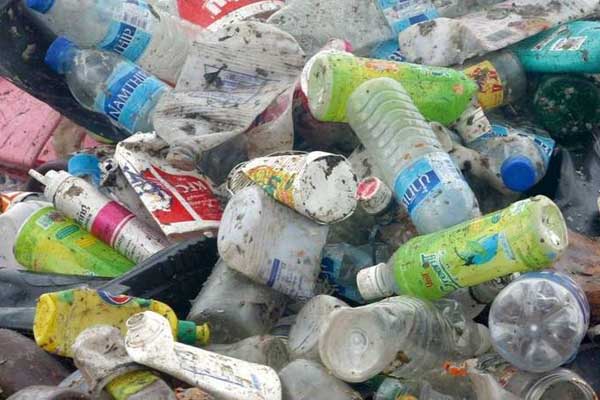
“Cocktail “: The plastic eating enzyme

The scientists behind re-engineering of the plastic-guzzling enzyme PETase have now gone a step further. These scientists have created an enzyme medley, which is up to six times faster to digest plastic.

Another enzyme, found in the same rubbish dwelling bacterium like PETase, has been combined with the latter to speed up the disintegration of plastic. PETase disintegrates polyethylene terephthalate into its building blocks. This creates an opportunity to reprocess plastic infinitely and reduce greenhouse gases and plastic pollution driving climate change.

Meanwhile, PET is the commonly used thermoplastic to make clothing, carpets, and single-use drink bottles. It takes hundreds of years for PET to disintegrate in the environment, but PETase can reduce this process to days.

Discovery of Plastic-eating PETase first step in Plastic Recycling revolution

With the discovery of PETase, it set up the prospect of a revolution in plastic recycling, thereby creating a potential low-energy solution to deal with plastic waste. To establish this, the natural PETase enzyme engineered in the laboratory featured to be almost 20 percent faster at disintegrating PET.

Going further, the same team of scientists have combined PETase and a second enzyme MHETase, for much bigger improvements. The mixing of PETase and MHETase doubled the speed of breakdown of PET, and designing a connection between the two enzymes created a super-enzyme, which further increased the speed of the activity by three times.

The study published in the journal Proceedings of the National Academy of Sciences was co-led by scientists who engineered PETase.

“In the natural phenomenon, PETase attacks the surface of the plastic and MHETase chops it further. Likewise, for it seemed natural if the two enzymes could be used together, to mimic the natural phenomenon,” opine the associates of the study

Categories
Biology Covid-19 human body

Covid 19’s lingering problem : Heart damage

Massachusetts General Hospital pathologist James Stone can tell that most of the hearts he’s examined from COVID-19 patients are damaged from the first moment he holds them. They’re enlarged. They’re heavy. They’re uneven.

What he can’t tell—at least until he starts looking at samples of the tissue under a microscope—is exactly how those hearts were damaged, and whether it is a direct result of SARS-CoV-2 infection.

Early in the pandemic, other clinicians noted that even some patients who didn’t have preexisting heart conditions experienced cardiovascular damage while fighting COVID-19 infections, pointing to a possible causative link. Researchers had found, for example, that 8–12 percent of hospitalized COVID-19 patients had elevated levels of muscle contraction–regulating proteins called troponins—a sign of heart damage—and that these patients had an increased risk of mortality compared with those who didn’t have excess troponins. And early observations of patients in China who suffered reduced ejection fraction—the amount of blood getting pumped out of the heart each time it contracts—led researchers to suggest that these individuals were likely experiencing myocarditis, a severe form of inflammation that can weaken the heart and is commonly associated with infections.

But Stone and his collaborators’ analysis of heart tissue from 21 patients who died of COVID-19, published today (September 24) in the European Heart Journal, shows that while 86 percent of the patients did have inflammation in their hearts, only three had myocarditis. Several had other forms of heart injury, such as right ventricular strain injuries.

“The problem we identified in this study is that there’s other types of myocardial injury in these patients that is also causing elevated troponins,” says Stone. His international team sought to determine the mechanisms through which the disease damaged the heart and found that some conditions “really haven’t been talked about at all in the [COVID-19] papers that have previously been published.”

The pathologists observed a median of 20 slides from each heart, which is more than are included in most other studies regarding COVID-19’s cardiac effects. George Abela, a cardiologist at Michigan State University who was not involved in the study, tells The Scientist in an email, “This provides a more in-depth view of the extent of injury.”

The researchers expected to find some macrophages, a type of white blood cell that indicates inflammation, as pathologists had observed macrophages in the hearts of SARS patients during the 2003 outbreak. But Stone says he was surprised to see just how common these were—18 out of 21 COVID-19 patients’ hearts harbored macrophages that exhibited this type of inflammation. “It was really quite extensive,” he says.

As they analyzed the hearts further, the pathologists noted that only three patients had myocarditis, while four showed signs of heart injury due to right ventricular strain and another four had small blood clots in the vessels in the heart. It’s not clear why patients experience such inconsistent cardiac issues.

Abela says these findings have implications for treatment. For example, if the patient has right heart failure, a condition where the right side of a patient’s heart is not pumping enough blood to the lungs, a device that mechanically helps the heart pump blood might help, rather than drugs that target the inflammation or infection, which could be used to treat myocarditis.

Because so many of the hearts were infiltrated by macrophages, the researchers say that it may be difficult to discern who is experiencing myocarditis, which is characterized by different inflammatory cells—lymphocytes—while patients are alive. The two cell types would appear similar on tests that image the hearts of living patients. So, the team looked back at the patients’ medical records to see if they could find patterns in clinical tests that would reveal the type of heart damage when it still might be treatable. The three patients with myocarditis all had both troponin levels above 60 ng/mL and abnormal ECG readings while in the hospital. Only 15 percent of the patients without myocarditis had this combination.

The findings need to be replicated in larger groups of patients but could help doctors determine the best course of treatment for heart damage due to COVID-19, Stone says. The study is “giving the cardiologists and the ICU doctors that are taking care of these patients a roadmap of the changes that are going on in the heart.”

“Novel disease entities like SARS-CoV-2 reinforce the tremendous importance of continuing our efforts at continuing to facilitate autopsy evaluations,” says Allan Jaffe, a cardiologist at the Mayo Clinic, in an email. “This consortium of hospitals have added substantially to our knowledge of Covid disease.”

Categories
Biology

“THE KILLER MUTATIONS”

Scientists have discovered a handful of ultrarare mutations present in our cells from birth that likely shave years off a person’s life. Each of these DNA variants, most likely inherited from our parents, can reduce life span by as much as 6 months, the researchers estimate. And different combinations can dictate how long people live before developing age-related diseases such as cancer, diabetes, and dementia.

A person’s genes don’t set a specific natural life span—diet and many other factors play large roles, too—but studies have shown that DNA variants can influence the aging process. Biologists chalk up less than one-third of that influence to the genes we inherit. The source of other age-influencing DNA variation is environmental: Sun damage, chemical exposure, and other insults that create thousands of random mutations. Each cell’s collection of these environmental mutations differs, and most don’t greatly impact a person’s life span.

Hunting for these rare mutations, which are found in less than one in every 10,000 people, required a group effort. Harvard University geneticist Vadim Gladyshev, a senior co-author in the new study, partnered with academic colleagues and a biotech company called Gero LLC to scour the UK Biobank, a public database containing the genotypes of about 500,000 volunteers.

Using more than 40,000 of these genotypes, the team looked for correlations between small changes in DNA and health conditions, a so-called genomewide association study. Specifically, the variants they were targeting knock out genes entirely, depriving all the cells in the body of certain proteins.

On average, each person is born with six ultrarare variants that can decrease life span and “health span,” the amount of time people live before developing serious diseases, the team reports this month in eLife. The more mutations, the more likely a person was to develop an age-related illness at a younger age or die. “The exact combination matters,” Gladyshev says, but in general, each mutation decreases life span by 6 months and health span by 2 months.

The results build on what is already known about aging: “Family genes” matter. But rather than studying the common mutations found in especially long-lived people, researchers can now target rarer variants present in everyone. Gladyshev hopes this information can be used in clinical trials to categorize participants by their mutations in addition to things like gender and actual age.

He admits the findings are potentially controversial, as they minimize the perceived contribution to

aging of environmental “somatic” mutations acquired throughout life. Somatic mutations “live in a larger universe of age-related changes” influenced by lifestyle, he says, adding that changes to hormone and gene expression also come with age. “They [all] contribute to the aging process, but on their own they do not cause it.”

Jan Vijg, a geneticist at the Albert Einstein College of Medicine who studies the role of somatic mutations in aging, agrees, though he adds that somatic mutations can still cause diseases such as skin cancer that decrease life span.

Alexis Battle, a biomedical engineer at the Johns Hopkins University School of Medicine, points to an important caveat, however: The new research only looked at the “exome,” the 1% of the genome that actively builds the proteins that direct our cells. The rest is largely a black box, although growing evidence shows it can affect gene expression. Both Battle and Vijg agree that this DNA could be even more important in aging than the regions targeted by Gladyshev and his colleagues.

Going forward, Gladyshev would like to repeat his analysis on DNA from centenarians: those that live to be older than 100. “Most of the previous research focused on what these people have that makes them long-lived,” he says. “But [we want to look at] the opposite—it’s what they don’t have.”

Illustration of a damaged ribonucleic acid or dna strand
Categories
environment

Volcano discovery: Major eruptions could be a havoc to the climate

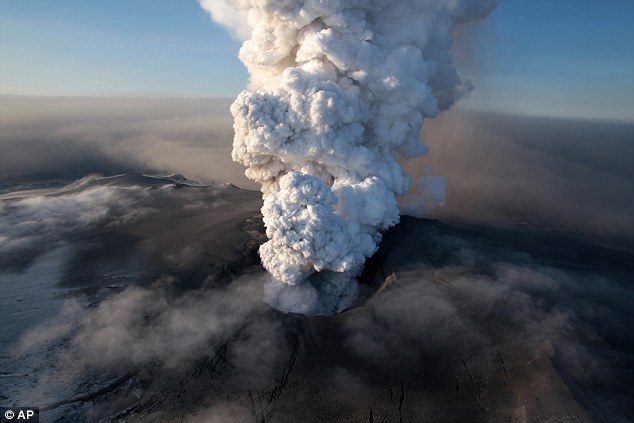
When volcanoes erupt, these geologic monsters produce tremendous clouds of ash and dust — plumes that can blacken the sky, shut down air traffic and reach heights of roughly 25 miles above Earth’s surface.

A new study led by the University of Colorado Boulder suggests that such volcanic ash may also have a larger influence on the planet’s climate than scientists previously suspected.

The new research, published in the journal Nature Communications, examines the eruption of Mount Kelut (or Kelud) on the Indonesian island of Java in 2014. Drawing on real-world observations of this event and advanced computer simulations, the team discovered that volcanic ash seems to be prone to loitering — remaining in the air for months or even longer after a major eruption.

“What we found for this eruption is that the volcanic ash can persist for a long time,” said Yunqian Zhu, lead author of the new study and a research scientist at the Laboratory for Atmospheric and Space Physics (LASP) at CU Boulder.

Lingering ash

The discovery began with a chance observation: Members of the research team had been flying an unmanned aircraft near the site of the Mount Kelut eruption — an event that covered large portions of Java in ash and drove people from their homes. In the process, the aircraft spotted something that shouldn’t have been there.

“They saw some large particles floating around in the atmosphere a month after the eruption,” Zhu said. “It looked like ash.”

She explained that scientists have long known that volcanic eruptions can take a toll on the planet’s climate. These events blast huge amounts of sulfur-rich particles high into Earth’s atmosphere where they can block sunlight from reaching the ground.

Researchers haven’t thought, however, that ash could play much of a role in that cooling effect. These chunks of rocky debris, scientists reasoned, are so heavy that most of them likely fall out of volcanic clouds not long after an eruption.

Zhu’s team wanted to find out why that wasn’t the case with Kelut. Drawing on aircraft and satellite observations of the unfolding disaster, the group discovered that the volcano’s plume seemed to be rife with small and lightweight particles of ash — tiny particles that were likely capable of floating in the air for long periods of time, much like dandelion fluff.

“Researchers have assumed that ash is similar to volcanic glass,” Zhu said. “But what we’ve found is that these floating ones have a density that’s more like pumice.”

Disappearing molecules

Study coauthor Brian Toon added that these pumice-like particles also seem to shift the chemistry of the entire volcanic plume.

Toon, a professor in LASP and the Department of Atmospheric and Oceanic Sciences at CU Boulder, explained that erupting volcanos spew out a large amount of sulfur dioxide. Many researchers previously assumed that those molecules interact with others in the air and convert into sulfuric acid — a series of chemical reactions that, theoretically, could take weeks to complete. Observations of real-life eruptions, however, suggest that it happens a lot faster than that.

“There has been a puzzle of why these reactions occur so fast,” Toon said.

He and his colleagues think they’ve discovered the answer: Those molecules of sulfur dioxide seem to stick to the particles of ash floating in the air. In the process, they may undergo chemical reactions on the surface of the ash itself — potentially pulling around 43% more sulfur dioxide out of the air.

Ash, in other words, may hasten the transformation of volcanic gases in the atmosphere.

Just what the impact of those clouds of ash are on the climate isn’t clear. Long-lasting particles in the atmosphere could, potentially, darken and even help to cool the planet after an eruption. Floating ash might also blow all the way from sites like Kelut to the planet’s poles. There, it could kickstart chemical reactions that would damage Earth’s all-important ozone layer.

But the researchers say that one thing is clear: When a volcano blows, it may be time to pay a lot more attention to all that ash and its true impact on Earth’s climate.

“I think we’ve discovered something important here,” Toon said. “It’s subtle, but it could make a big difference.”

Categories
Biology

Ebola virus : A deadly havoc in people and not bats!!! Why???

The Ebola virus causes a devastating, often fatal, infectious disease in people. Within the past decade, Ebola has caused two large and difficult to control outbreaks, one of which recently ended in the Democratic Republic of the Congo.

When a virus brings serious disease to people, it means that humans are not good hosts for the virus. Viruses depend on a living host for their survival and have natural reservoirs — a hosting animal species in which a virus naturally lives and reproduces without causing disease. Bats are likely a natural reservoir for the Ebola virus, but little is known about how the virus evolves in bats.

Like most other RNA viruses, Ebola’s molecules are structured in a way that makes them more prone to genomic errors and mutations than other types of viruses. Because of this, Ebola and similar viruses have a remarkable ability to adapt to and replicate in new environments.

In the study, the research team, led by Alex Bukreyev, a UTMB virologist in the departments of pathology and microbiology and immunology, working with the team of Raul Andino, University of California, San Francisco, investigated how the Ebola virus adapts to both bat and human cells. They assessed changes in mutation rates and the structure of Ebola virus populations repeatedly in both bat and human cell lines using an ultra-deep genetic sequencing.

“We identified a number of meaningful differences in how the Ebola virus evolves when placed in a human cell line relative to a bat cell line,” Bukreyev said. “For instance, the RNA editing enzyme called ADAR within bat cells play a greater role in the replication and evolution of the Ebola virus than do such enzymes in human cells. We found that the envelope protein of Ebola virus undergoes a drastic increase in certain mutations within bat cells, but this was not found in human cells. This study identifies a novel mechanism by which Ebola virus is likely to evolve in bats.”

The study suggests that the Ebola virus and bats can live together harmoniously because of the bat cell’s ability to induce changes in the virus that make it less capable of harm. Bukreyev said that the study’s findings validate the ultra-deep genetic sequencing used in this study as a predictive tool that can identify viral mutations associated with more adaptive evolution. This technology can be very useful in studying, and perhaps shaping, the evolution of emerging viruses, like SARS-CoV-2, the virus responsible for COVID-19.

EBOLA VIRUS – A DANGER TO HUMANS

Categories
Biology Evolution

New insight into the evolution of complex life on Earth

A novel connection between primordial organisms and complex life has been discovered, as new evidence sheds light on the evolutionary origins of the cell division process that is fundamental to complex life on Earth.

The discovery was made by a cross-disciplinary team of scientists led by Professor Buzz Baum of University College London and Dr Nick Robinson of Lancaster University.

Their research, published in Science, sheds light on the cell division of the microbe Sulfolobus acidocaldarius, which thrives in acidic hot springs at temperatures of around 75?C. This microbe is classed among the unicellular organisms called archaea that evolved 3.5 billion years ago together with bacteria.

Eukaryotes evolved about 1 billion years later — likely arising from an endosymbiotic event in which an archaeal and bacterial cell merged. The resulting complex cells became a new division of life that now includes the protozoa, fungi, plants and animals.

Now a common regulatory mechanism has been discovered in the cell division of both archaea and eukaryotes after the researchers demonstrated for the first time that the proteasome — sometimes referred to as the waste disposal system of the cell — regulates the cell division in Sulfolobus acidocaldarius by selectively breaking down a specific set of proteins.

The authors report: “This is important because the proteasome has not previously been shown to control the cell division process of archaea.”

The proteasome is evolutionarily conserved in both archaea and eukaryotes and it is already well established that selective proteasome-mediated protein degradation plays a key role in the cell cycle regulation of eukaryotes.

These findings therefore shed new light on the evolutionary history of the eukaryotes.

The authors summarise: “It has become increasingly apparent that the complex eukaryotic cells arose following an endosymbiotic event between an ancestral archaeal cell and an alpha-proteobacterium, which subsequently became the mitochondria within the resulting eukaryotic cell. Our study suggests that the vital role of the proteasome in the cell cycle of all eukaryotic life today has its evolutionary origins in archaea.”

Categories
Biology Covid-19

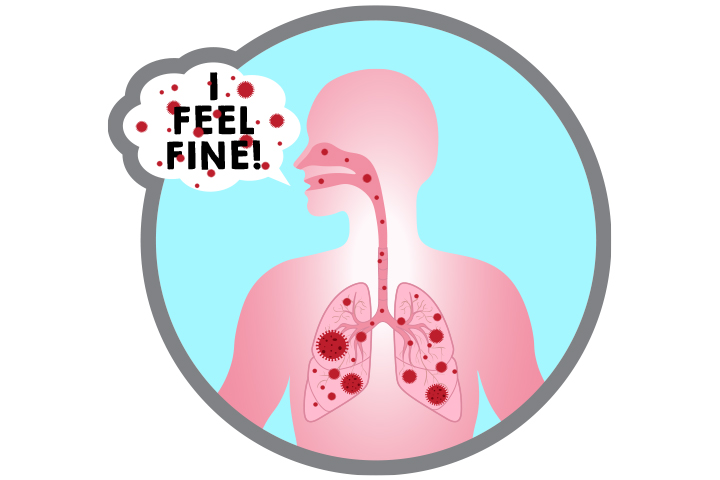
What Does Asymptomatic COVID-19 Look Like Under the Surface?

— Many individuals show subclinical abnormalities as well as differences from symptomatic patients

Asymptomatic individuals carrying SARS-CoV-2 shed the virus longer than those with COVID-19 symptoms, with other lab findings suggesting the symptomatic patients mounted more robust immune responses, a small study in China found.

Median duration of viral shedding among 37 asymptomatic patients was 19 days (interquartile range 15-26; range 6-45) versus 14 days among 37 matched symptomatic patients (IQR 9-22; log-rank P=0.028), reported Jing-Fu Qiu, PhD, of Chongqing Medical University, and colleagues, though viral shedding does not necessarily mean the patients were infectious.

Virus-specific IgG antibody titers and cytokine levels were also significantly lower among asymptomatic patients in the acute phase of infection, when viral RNA can be found in respiratory specimens, the authors wrote in Nature Medicine — both of which indicated that immune responses weren’t as strong in the asymptomatic group.

Asymptomatic transmission of COVID-19 is one of its biggest mysteries, with the World Health Organization recently reminding the public of the distinction between asymptomatic patients, who never develop symptoms, and presymptomatic patients, who go on to develop symptoms later in the course of disease.

Qiu and colleagues characterized asymptomatic carriers as the “silent spreaders” of COVID-19.

“However, our understanding of the clinical features and immune responses of asymptomatic individuals with SARS-CoV-2 infection is limited,” the researchers added.

For the study, they examined data from 178 patients with PCR-confirmed SARS-CoV-2 infection in the Wanzhou District in China, including 37 without symptoms. Median age in the latter was 41, and 22 were women. These individuals were matched by age, sex, and comorbidity with 37 symptomatic patients for antibody detection and cytokine measurement. Qiu and colleagues also included a group of 37 individuals who tested negative via RT-PCR for cytokine comparisons.

Lab values and imaging were not entirely normal for the asymptomatic group. Eleven had increased C-reactive protein levels and six had elevated levels of alanine aminotransferase. Chest CT found “focal ground-glass opacities” in 11 and “stripe shadows and/or diffuse consolidation” in another 10 of the group; in two-thirds of these 21 patients, the abnormalities were in only one lung. The remaining 16 showed entirely normal imaging.

Around 80% of both symptomatic and asymptomatic patients tested positive for IgG antibodies about 3-4 weeks after exposure. The difference was greater when examining IgM antibodies, with positive findings in 78.4% of symptomatic patients and 62.2% of asymptomatic patients.

In the early convalescent phase, defined as 8 weeks after hospital discharge, symptomatic patients had higher IgG levels, though both groups experienced over 90% decreases in IgG levels. A larger proportion of asymptomatic patients had decreases in neutralizing serum antibody levels versus symptomatic patients (81.1% vs 62.2%, respectively).

These findings should serve as a caution against assuming prior infection confers immunity to future infection, Qiu and colleagues said.

“These data might indicate the risks of using COVID-19 ‘immunity passports’ and support the prolongation of public health interventions, including social distancing, hygiene, isolation of high-risk groups, and widespread testing,” the team wrote.

Plasma levels of cytokines were also similar between asymptomatic patients and healthy controls, though significantly higher levels of stem cell factor and leukemia inhibitory factor were found in the asymptomatic group, the researchers noted, calling this a “reduced inflammatory response characterized by low circulating concentrations of cytokines and chemokines.”

Qiu and co-authors cited the varying sensitivity and specificity of antibody tests (obtained from a company called Bioscience) as a limitation to their study, adding that the results may be confounded by existing antibodies to other coronaviruses, such as SARS or MERS, as well as common cold viruses.

Design a site like this with WordPress.com
Get started