Categories
Biology human body

UCLA Researchers Discover How Immune Cells Can be Trained to Fight Viruses

“Like a soldier or an athlete, innate immune cells can be trained by past experiences to become better at fighting infections.”

UCLA researchers have discovered the fundamental rule that allows the human body’s immune cells to be trained to aggressively respond to viruses, bacteria and other invaders, the university announced Thursday.

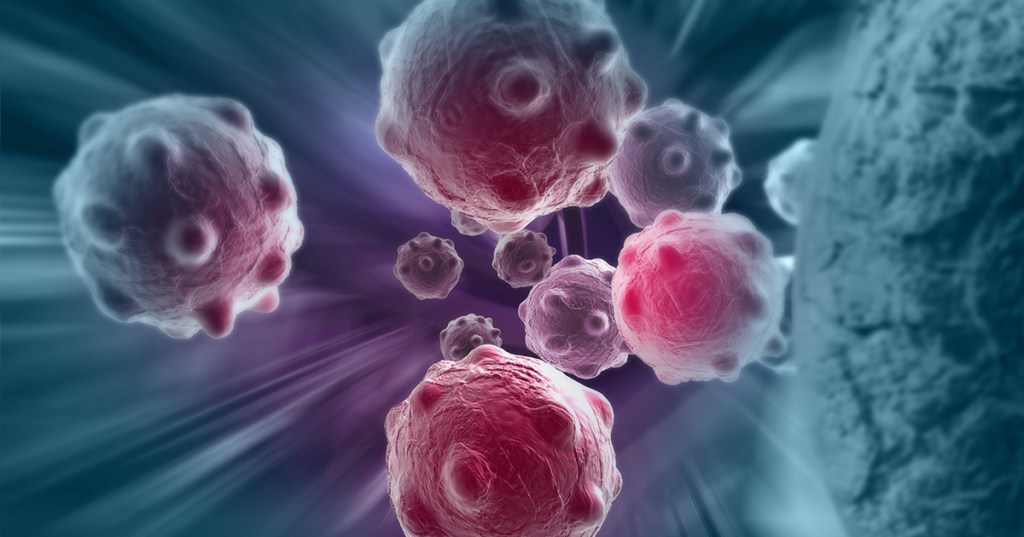
UCLA researchers identified a molecular mechanism within macrophages, which are infection-fighting cells in the innate immune system, that determines whether and how well the cells can be trained to fight invaders.

“Like a soldier or an athlete, innate immune cells can be trained by past experiences to become better at fighting infections,” said the study’s lead author, Quen Cheng, an assistant clinical professor of infectious diseases at UCLA’s Geffen School of Medicine.

Cheng noted that some experiences appear to be better than others for immune training, and that “this surprising finding motivated us to better understand the rules that govern this process.”

The study was published in the journal “Science” Friday, according to UCLA, which added that the findings could lead to strategies that enhance the immune system’s function.

Researchers found that immune training can occur if a cell’s DNA becomes unwrapped and exposes new genes that enable the cell to respond more aggressively, according to the study’s senior author Alexander Hoffman, professor of microbiology and director of the Institute for Quantitative and Computational Biosciences. When DNA is wrapped, only selected regions are exposed and accessible to fight an infection.

The UCLA researchers found that the precise dynamics of a key immune signaling molecule in macrophages, which is called NFKB and helps immune cells identify threats, determine if the DNA unwraps and genes are exposed.

Researchers also reported that the dynamic activity of NFKB itself is determined by the precise type of extracellular stimulus introduced to the macrophages.

“Importantly, our study shows that innate immune cells can be trained to become more aggressive only by some stimuli and not others,” Cheng said. “This specificity is critical to human health because proper training is important for effectively fighting infection, but improper training may result in too much inflammation and autoimmunity, which can cause significant damage.”

The NFKB is activated when receptors on the immune cells detect threatening external stimuli. The dynamics of NFKB form a language that UCLA researchers compared to Morse code — it communicates to the DNA that there is an external threat and tells the genes to get ready for battle.

Researchers used the bone marrow of mice to follow the activity of NFKB in macrophages, according to UCLA. They tracked how the molecule’s dynamics changed in response to several stimuli. NFKB was successful only when the stimulus induced non-oscillating NFKB activity.

“For a long time, we’ve known intuitively that whether NFKB oscillates or not must be important, but have simply not been able to figure out how,” Cheng said. “These results are a real breakthrough for understanding the language of immune cells, and knowing the language will help us `hack’ the system to improve immune function.”

The training process was simulated with a mathematical model, as well, UCLA said. Mathematical modeling of immune regulatory systems is a key goal of Hoffman’s laboratory.

Hoffman and Cheng expect to inspire a wide range of other studies from their research, including investigations into diseases caused by immune cells, strategies to improve immune training to fight infections and how to complement existing vaccine approaches.

“This study shows how collaborations between researchers in the UCLA College and David Geffen School of Medicine can produce innovative and impactful science that benefits human health,” Hoffmann said. Cheng earned his Ph.D. under Hoffman’s guidance at UCLA’s Specialty Training and Advanced Research program.

The study’s co-lead author is Sho Ohta, an assistant professor at the University of Tokyo and a former postdoctoral scholar in Hoffmann’s UCLA laboratory. Co-authors also include UCLA M.D. and Ph.D. student Katherine Sheu; Roberto Spreafico, a former postdoctoral scholar in Hoffmann’s laboratory; Adewunmi Adelaja, UCLA M.D. student who earned his Ph.D. in Hoffmann’s laboratory; and Brooks Taylor, a former UCLA doctoral student in Hoffmann’s laboratory.

“For a long time, we’ve known intuitively that whether NFKB oscillates or not must be important, but have simply not been able to figure out how,” Cheng said. “These results are a real breakthrough for understanding the language of immune cells, and knowing the language will help us `hack’ the system to improve immune function.”

The training process was simulated with a mathematical model, as well, UCLA said. Mathematical modeling of immune regulatory systems is a key goal of Hoffman’s laboratory.

Hoffman and Cheng expect to inspire a wide range of other studies from their research, including investigations into diseases caused by immune cells, strategies to improve immune training to fight infections and how to complement existing vaccine approaches.

“This study shows how collaborations between researchers in the UCLA College and David Geffen School of Medicine can produce innovative and impactful science that benefits human health,” Hoffmann said. Cheng earned his Ph.D. under Hoffman’s guidance at UCLA’s Specialty Training and Advanced Research program.

The study’s co-lead author is Sho Ohta, an assistant professor at the University of Tokyo and a former postdoctoral scholar in Hoffmann’s UCLA laboratory. Co-authors also include UCLA M.D. and Ph.D. student Katherine Sheu; Roberto Spreafico, a former postdoctoral scholar in Hoffmann’s laboratory; Adewunmi Adelaja, UCLA M.D. student who earned his Ph.D. in Hoffmann’s laboratory; and Brooks Taylor, a former UCLA doctoral student in Hoffmann’s laboratory.

“For a long time, we’ve known intuitively that whether NFKB oscillates or not must be important, but have simply not been able to figure out how,” Cheng said. “These results are a real breakthrough for understanding the language of immune cells, and knowing the language will help us `hack’ the system to improve immune function.”

The training process was simulated with a mathematical model, as well, UCLA said. Mathematical modeling of immune regulatory systems is a key goal of Hoffman’s laboratory.

Hoffman and Cheng expect to inspire a wide range of other studies from their research, including investigations into diseases caused by immune cells, strategies to improve immune training to fight infections and how to complement existing vaccine approaches.

“This study shows how collaborations between researchers in the UCLA College and David Geffen School of Medicine can produce innovative and impactful science that benefits human health,” Hoffmann said. Cheng earned his Ph.D. under Hoffman’s guidance at UCLA’s Specialty Training and Advanced Research program.

The study’s co-lead author is Sho Ohta, an assistant professor at the University of Tokyo and a former postdoctoral scholar in Hoffmann’s UCLA laboratory. Co-authors also include UCLA M.D. and Ph.D. student Katherine Sheu; Roberto Spreafico, a former postdoctoral scholar in Hoffmann’s laboratory; Adewunmi Adelaja, UCLA M.D. student who earned his Ph.D. in Hoffmann’s laboratory; and Brooks Taylor, a former UCLA doctoral student in Hoffmann’s laboratory.

The study was funded by UCLA’s Department of Medicine’s STAR Program and the National Institutes of Health.Copyright CNS – City News Service
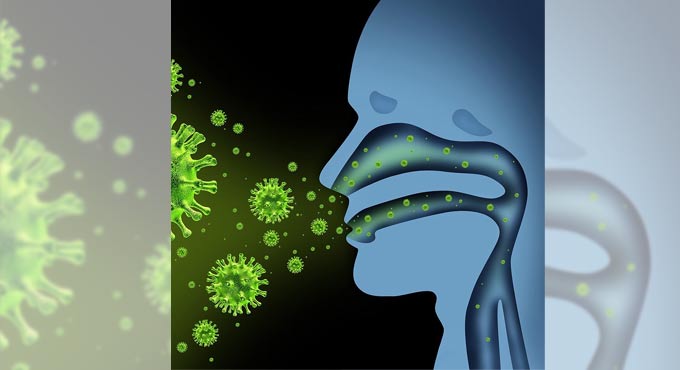
IMMUNE CELLS TO FIGHT AGAINST VIRUSES


Categories
environment

World Environment Day 2021

Happy environment day folks!!

Every year on June 5 Wold Environment Day 2021 is celebrated to spread awareness among people to conserve the environment for a healthy and better future. This day was created by United Nations in 1974 to create awareness regarding the need to protect our surroundings. 

In a wake to go digitalize, we have forgotten that our mother nature is vulnerable to technologies that are harming the environment. It is essential to save and rebuild the relationship with nature, as the environment is made up of every living and non-living beings. Also known as Eco Day or Environment Day, people on this day, organize various events in schools, colleges and offices. The aim to organize exhibition, conference and events is to encourage people to plant more trees and give tips to save the environment. World Environment Day 2021 theme is “Ecosystem Restoration”, and the global host of this campaign will be Pakistan.

For too long, humans have been exploiting and destroying the planet’s ecosystems. Every three seconds, the world loses enough forest to cover a football pitch and over the last century, we have destroyed half of the wetlands. As much as 50 per cent of the world’s coral reefs have already been lost and up to 90 per cent of coral reefs could be lost by 2050, even if global warming is limited to an increase of 1.5 degrees Celsius. Ecosystem loss is depriving the world of carbon sinks, like forests and wetlands, at a time when humanity can least afford it. Global greenhouse gas emissions have grown for three consecutive years and the planet is one place for potentially catastrophic climate change. We must now fundamentally rethink our relationship with the living world, with natural ecosystems and their biodiversity and work towards its restoration.

I was pondering about what I should do as a concerned world citizen on environment day amidst this pandemic. Browsing through the internet I got a bunch of ideas to make environment day 2021 fun-filled and productive by staying at home. I couldn’t stop myself from sharing these ideas with you. So, let’s get straight to it!

1) Watch a documentary

Watching a documentary is one of the best ways to learn about our environment and making sustainable choices to ensure a safe and healthy future for generations to come. Here are some of the documentaries that you can line-up for viewing — Pacificum: Return to the Ocean(Netflix), Cowspiracy(Netflix), The 11th Hour (YouTube) among many others.  

2) Take a virtual garden or museum tour 

With many of us staying indoors, WED is a great day to start having an environment-related conversation with your kids and teach them about the preservation of natural resources. You can do fun garden activities with them or take them on the virtual gardenzoo or museum visits available online.   

3) Shift to reusable water bottles and straws

Plastic straws have been a big menace to the oceans. Get on board to ditch them this WED and invest in cleaner and recyclable options such as paper, bamboo or metal straws and BPA-free, glass, stainless steel or copper bottles.    

4) Start a new sustainable diet 

Our meals can leave a huge carbon footprint if they are not sourced in environment-friendly ways. To contribute to combating this issue, you can start a new diet at home or make amends in your catering policy by switching to seasonal, sustainable and local plant-based products. Vegan, vegetarian and eco-friendly Keto diets are examples of some carbon-cutting options that involve giving up animal-based foods entirely.    

5) Ditch the single-use plastic containers at home

Around 40 percent of the plastic used in the world is single-use. It will be environment-friendly to phase out the containers made of single-use plastic at your home and swap them for cleaner and sustainable alternatives such as reusable glass containers, stainless steel lunch boxes and mason jars.     

I have adopted these amazing ideas and would encourage you to do the same!

Let us celebrate the occasion of World Environment Day by working together to save our planet from everything that harms it!!

Happy world environment day!!

Categories
Biology human body

Can body’s own immune system fight cancer?-turns out- YES!!

I was watching Netflix series- “Alexa & Katie” which is about the high school journey two best friends one of whom suffers from leukemia (blood cancer). Watching it really motivated me to find out more about the life threatening disease- cancer which kills many people every year.

While surfing I came across this article about a novel research that optimizes that our body’s own immune system can fight cancer.

Before jumping on to the article, first, let’s look at what is cancer?

Cancer is a disease in which some of the body’s cells grow uncontrollably and spread to other parts of the body. 

Cancer can start almost anywhere in the human body, which is made up of trillions of cells. Normally, human cells grow and multiply (through a process called cell division) to form new cells as the body needs them. When cells grow old or become damaged, they die, and new cells take their place.

Sometimes this orderly process breaks down, and abnormal or damaged cells grow and multiply when they shouldn’t. These cells may form tumors, which are lumps of tissue. Tumors can be cancerous.

Cancerous tumors spread into, or invade, nearby tissues and can travel to distant places in the body to form new tumors (a process called metastasis). Cancerous tumors may also be called malignant tumors. Many cancers form solid tumors, but cancers of the blood, such as leukemias, generally do not.

Armed with the basics of cancer let’s move on to the research article,

A groundbreaking study led by engineering and medical researchers at the University of Minnesota Twin Cities shows how engineered immune cells used in new cancer therapies can overcome physical barriers to allow a patient’s own immune system to fight tumors. The research could improve cancer therapies in the future for millions of people worldwide.

The research is published in Nature Communications, a peer-reviewed, open access, scientific journal published by Nature Research.

Instead of using chemicals or radiation, immunotherapy is a type of cancer treatment that helps the patient’s immune system fight cancer. T cells are a type of white blood cell that are of key importance to the immune system. Cytotoxic T cells are like soldiers who search out and destroy the targeted invader cells.

While there has been success in using immunotherapy for some types of cancer in the blood or blood-producing organs, a T cell’s job is much more difficult in solid tumors.

“The tumor is sort of like an obstacle course, and the T cell has to run the gauntlet to reach the cancer cells,” said Paolo Provenzano, the senior author of the study and a biomedical engineering associate professor in the University of Minnesota College of Science and Engineering. “These T cells get into tumors, but they just can’t move around well, and they can’t go where they need to go before they run out of gas and are exhausted.”

In this first-of-its-kind study, the researchers are working to engineer the T cells and develop engineering design criteria to mechanically optimize the cells or make them more “fit” to overcome the barriers. If these immune cells can recognize and get to the cancer cells, then they can destroy the tumor.

In a fibrous mass of a tumor, the stiffness of the tumor causes immune cells to slow down about two-fold — almost like they are running in quicksand.

“This study is our first publication where we have identified some structural and signaling elements where we can tune these T cells to make them more effective cancer fighters,” said Provenzano, a researcher in the University of Minnesota Masonic Cancer Center. “Every ‘obstacle course’ within a tumor is slightly different, but there are some similarities. After engineering these immune cells, we found that they moved through the tumor almost twice as fast no matter what obstacles were in their way.”

To engineer cytotoxic T cells, the authors used advanced gene editing technologies (also called genome editing) to change the DNA of the T cells so they are better able to overcome the tumor’s barriers. The ultimate goal is to slow down the cancer cells and speed up the engineered immune cells. The researchers are working to create cells that are good at overcoming different kinds of barriers. When these cells are mixed together, the goal is for groups of immune cells to overcome all the different types of barriers to reach the cancer cells.

Provenzano said the next steps are to continue studying the mechanical properties of the cells to better understand how the immune cells and cancer cells interact. The researchers are currently studying engineered immune cells in rodents and in the future are planning clinical trials in humans.

While initial research has been focused on pancreatic cancer, Provenzano said the techniques they are developing could be used on many types of cancers.

“Using a cell engineering approach to fight cancer is a relatively new field,” Provenzano said. “It allows for a very personalized approach with applications for a wide array of cancers. We feel we are expanding a new line of research to look at how our own bodies can fight cancer. This could have a big impact in the future.”

Honestly, let’s hope that this approach of treating cancer is able to save lives of millions of people affected with cancer

Categories
Covid-19 environment

India braces for powerful cyclone amid deadly virus surge!!

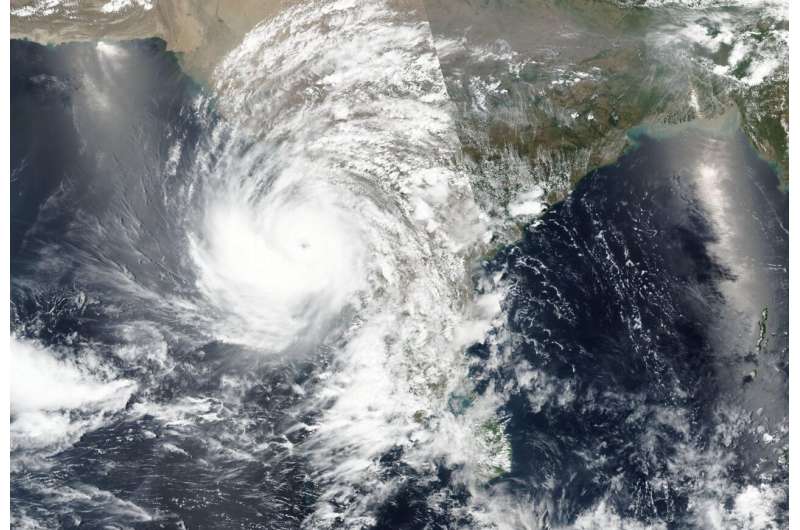
A powerful cyclone roaring in the Arabian Sea was moving toward India’s western coast on Monday as authorities tried to evacuate hundreds of thousands of people and suspended COVID-19 vaccinations in one state.

Cyclone Tauktae, which has already killed six people in parts of southern India, is expected to make landfall on Monday evening in Gujarat state with winds of up to 175 kph (109 mph), a statement by the India Meteorological Department said.

After the cyclone slams ashore, forecasters warn of the potential for extensive damage from high windsheavy rainfall and flooding in low-lying areas.

The massive storm comes as India is battling with a devastating coronavirus surge—and both the storm and the virus could exacerbate the effects of the other. The storm has already led to the suspension of some vaccination efforts and there is greater risk of virus transmission in crowded evacuation shelters

Virus lockdown measures, meanwhile, could slow relief work after the storm, and damage from the storm could potentially destroy roads and cut vital supply lines for things like vaccines and medical supplies needed for virus patients.

In Gujarat, vaccinations were suspended for two days and authorities worked to evacuate hundreds of thousands of people to temporary relief shelters. The state’s Chief Minister Vijay Rupani Monday asked officials to ensure that the oxygen supplies to hospitals are not disrupted.

In Maharashtra, operations at Mumbai city’s Chhatrapati Shivaji Maharaj International Airport were suspended for three hours.

Already, thousands of rescue and relief teams from the army, navy and coast guard, along with ships and aircraft, have been deployed for recovery operations.

India’s western coast no stranger to devastating cyclones, but changing climate patterns have caused them to become more intense, rather than more frequent.

In May 2020, nearly 100 people died after Cyclone Amphan, the most powerful storm to hit eastern India in more than a decade, ravaged the region and left millions without power.

Hoping that everything ends well this time.😟

Stay home, Stay safe 🙏🏼🙏🏼

Categories
Biology environment

Will your future clothes be made of algae?

Living materials, which are made by housing biological cells within a non-living matrix, have gained popularity in recent years as scientists recognize that often the most robust materials are those that mimic nature.

For the first time, an international team of researchers from the University of Rochester and Delft University of Technology in the Netherlands used 3D printers and a novel bioprinting technique to print algae into living, photosynthetic materials that are tough and resilient. The material has a variety of applications in the energy, medical, and fashion sectors. The research is published in the journal Advanced Functional Materials.

“Three-dimensional printing is a powerful technology for fabrication of living functional materials that have a huge potential in a wide range of environmental and human-based applications.” says Srikkanth Balasubramanian, a postdoctoral research associate at Delft and the first author of the paper. “We provide the first example of an engineered photosynthetic material that is physically robust enough to be deployed in real-life applications.”

HOW TO BUILD NEW MATERIALS: LIVING AND NONLIVING COMPONENTS??

To create the photosynthetic materials, the researchers began with a non-living bacterial cellulose — an organic compound that is produced and excreted by bacteria. Bacterial cellulose has many unique mechanical properties, including its flexibility, toughness, strength, and ability to retain its shape, even when twisted, crushed, or otherwise physically distorted.

The bacterial cellulose is like the paper in a printer, while living microalgae acts as the ink. The researchers used a 3D printer to deposit living algae onto the bacterial cellulose.

The combination of living (microalgae) and nonliving (bacterial cellulose) components resulted in a unique material that has the photosynthetic quality of the algae and the robustness of the bacterial cellulose; the material is tough and resilient while also eco-friendly, biodegradable, and simple and scalable to produce. The plant-like nature of the material means it can use photosynthesis to “feed” itself over periods of many weeks, and it is also able to be regenerated — a small sample of the material can be grown on-site to make more materials.

ARTIFICIAL LEAVES, PHOTOSYNTHETIC SKINS, AND BIO-GARMENTS

The unique characteristics of the material make it an ideal candidate for a variety of applications, including new products such as artificial leaves, photosynthetic skins, or photosynthetic bio-garments.

Artificial leaves are materials that mimic actual leaves in that they use sunlight to convert water and carbon dioxide — a major driver of climate change — into oxygen and energy, much like leaves during photosynthesis. The leaves store energy in chemical form as sugars, which can then be converted into fuels. Artificial leaves therefore offer a way to produce sustainable energy in places where plants don’t grow well, including outer space colonies. The artificial leaves produced by the researchers at Delft and Rochester are additionally made from eco-friendly materials, in contrast to most artificial leaf technologies currently in production, which are produced using toxic chemical methods.

“For artificial leaves, our materials are like taking the ‘best parts’ of plants — the leaves — which can create sustainable energy, without needing to use resources to produce parts of plants — the stems and the roots — that need resources but don’t produce energy,” says Anne S. Meyer, an associate professor of biology at Rochester. “We are making a material that is only focused on the sustainable production of energy.”

Another application of the material would be photosynthetic skins, which could be used for skin grafts, Meyer says. “The oxygen generated would help to kick-start healing of the damaged area, or it might be able to carry out light-activated wound healing.”

Besides offering sustainable energy and medical treatments, the materials could also change the fashion sector. Bio-garments made from algae would address some of the negative environmental effects of the current textile industry in that they would be high-quality fabrics that would be sustainability produced and completely biodegradable. They would also work to purify the air by removing carbon dioxide through photosynthesis and would not need to be washed as often as conventional garments, reducing water usage.

“Our living materials are promising because they can survive for several days with no water or nutrients access, and the material itself can be used as a seed to grow new living materials,” says Marie-Eve Aubin-Tam, an associate professor of bionanoscience at Delft. “This opens the door to applications in remote areas, even in space, where the material can be seeded on site.”

100% biodegradable T-shirt made from algae
100% biodegradable T-Shirt made from algae

Categories
environment

My Earth Day Initiative: Distribution of Plantable Pencils

Happy Earth Day guys!!!

This year’s theme of Earth Day is “Restore Our Earth” and its prime focus is restoring the Earth’s ecosystems by relying on natural processes, emerging green technologies and innovative thinking.

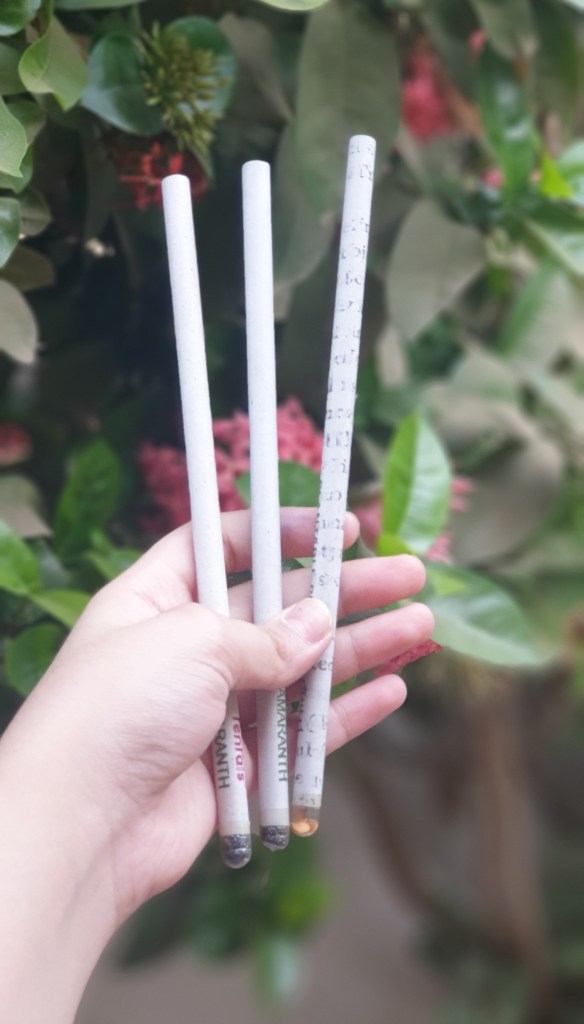
So I thought, what could be a better way to celebrate this earth day by encouraging people to plant trees! Couple of days ago I spent my time sitting on my table chewing the back of my pencil (not a good habit, I know😅) and brooding about how could I make tree plantation innovative and interesting. Suddenly it struck me-Pencils!! Yes, Plantable pencils. It is indeed a very innovative and attractive way to motivate people to plant trees.

Talking more about plantable pencils, its a pencil that wants to be a plant when it grows up!! When its too short to use, plant the pencil to grow a small plant. These are innovative eco-friendly pencils made of recyclable paper. Can be sharpened like a normal pencil. It has different types of germinating seeds enclosed inside capsule. So, after using pencil, just plant it.

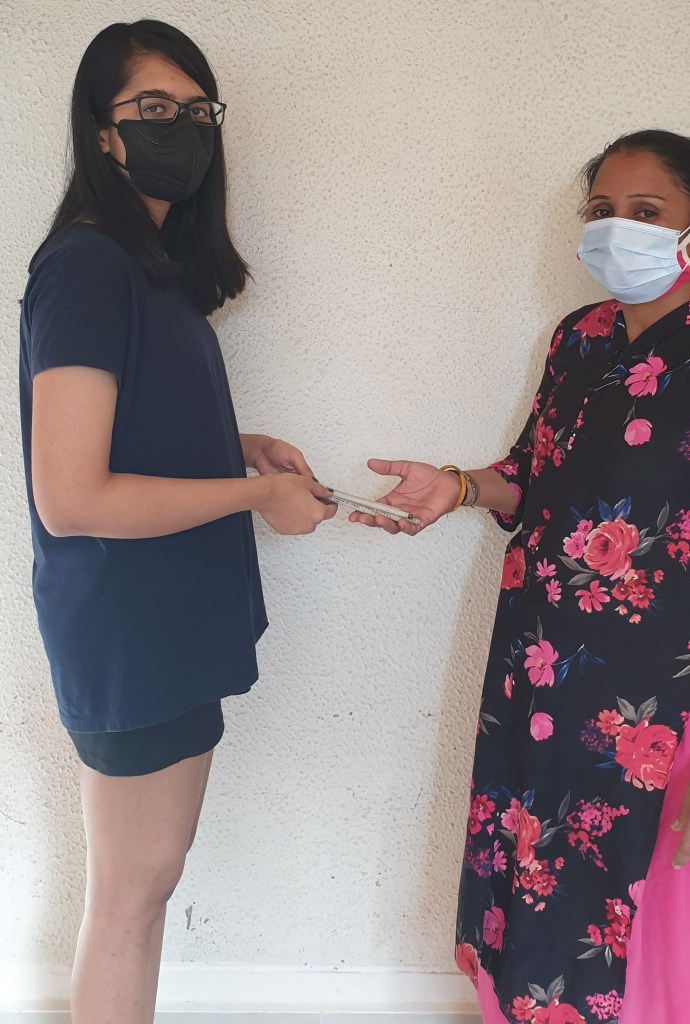
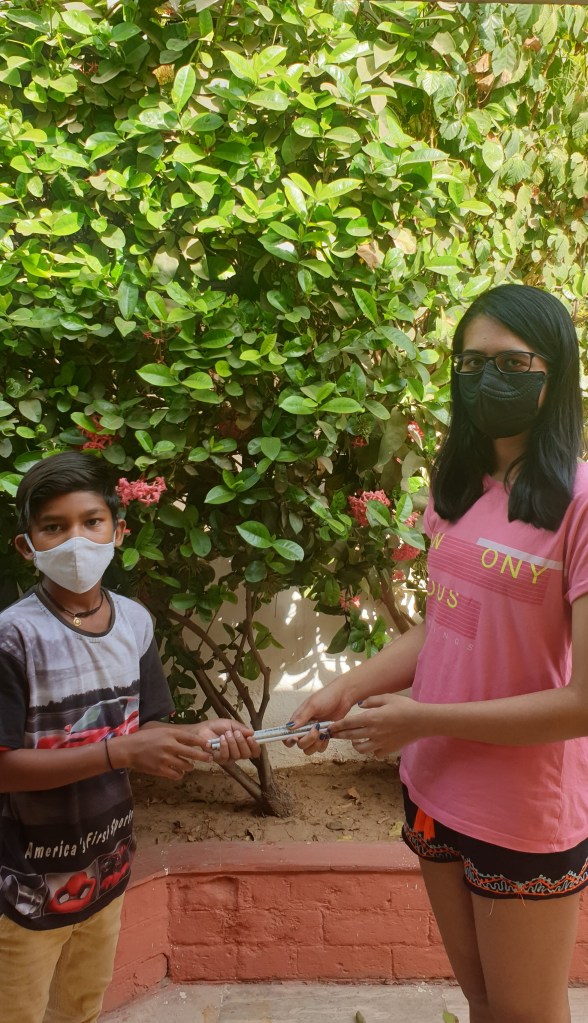
So, this time, on earth day, I distributed 200 plantable pencils in my neighbourhood and in some slum areas. I got immense positive response from everyone. People happily took the pencils and promised to send pics when they grew a plant out of it.

It was indeed a memorable experience for me. I got immense satisfaction for doing something good for our mother earth. Below are the pics of this memorable drive.

SMALLEST INITIATIVES LEAD TO THE BIGGEST CHANGES!!

Categories
Biology environment

New Technique Reliably Measures Whether Rivers or Lakes Have Run Out of Air

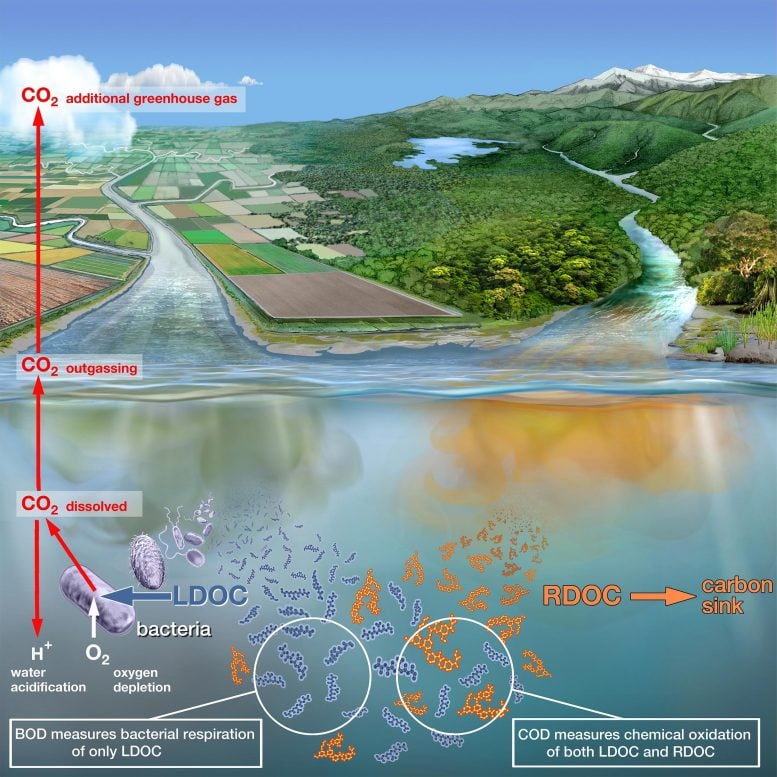
BOD and COD Measurement Methods

International study shows that freshwater polluted by fecal material can be determined more quickly and reliably using a new technique.

When wastewater from villages and cities flows into rivers and lakes, large quantities of fats, proteins, sugars and other carbon-containing, organic substances wind up in nature together with the fecal matter. These organic substances are broken down by bacteria that consume oxygen. The larger the volume of wastewater, the better the bacteria thrive. This, however, means the oxygen content of the water continues to decrease until finally the fish, mussels, or worms literally run out of air. This has created low-oxygen death zones in many rivers and lakes around the world.

No gold standard for measurements until now

In order to measure how heavily the waters are polluted with organic matter from feces, government bodies and environmental researchers regularly take water samples. One widely used measurement method uses a chemical reaction to determine the content of organic substances. As an international team of scientists now shows, this established method provides values from which the actual degree of the water pollution can hardly be derived. Prof. Helmuth Thomas, Director of Hereon’s Institute of Carbon Cycles is also a contributor to the study, which has now been published in the scientific journal Science Advances. “In the paper, we are therefore also introducing a new method for making the measurements much more reliable in the future,” he says.

Using the conventional measurement method, water samples are mixed with the chemicals permanganate or dichromate. These are especially reactive and break down all organic substances in a short time. The quantity of consumed permanganates or dichromates can then be used to determine how much organic substance was contained in the water sample.

Experts refer to this measurement as “chemical oxygen demand,” COD. The problem with the COD measurements is that they do not differentiate between the organic substances that wind up in the water with the sewage, and those that arise naturally — such as lignin and humic acids — which are released when wood decays. This means that the water pollution can hardly be distinguished from the natural content of organic substances.

“For the Han River in South Korea, for example, we have shown that the pollution with organic substances from wastewater in the past twenty-five years has decreased. The COD measurements, however, still show high values as they were before,” says Helmuth Thomas, “because here the natural substances make up a large portion of the organic matter in the water.”

Complicated biological analysis

But how can the actual pollution be measured more reliably? A biological measurement method has been established here for decades, but it is much more complex than the COD method and is therefore used more seldomly by government bodies and research institutions. In this case, a water sample is taken from the river or lake and the oxygen content of the water is measured as an initial value. Another “parallel sample” is immediately sealed airtight. Then this water sample rests for five days. During this time, the bacteria break down the organic substance, whereby they gradually consume the oxygen in the water. After five days, the container is opened and the oxygen is measured. If the water contains a great deal of organic matter, then the bacteria were particularly active. The oxygen consumption was then correspondingly high. Experts refer to the “biological oxygen demand” (BOD) in this measurement.

“The BOD measurement is far more precise than the COD because the bacteria preferentially break down the small organic molecules from the wastewater but leave the natural ones, such as lignin, untouched,” says Thomas. Nevertheless, the BOD measurement has its disadvantages, too. On the one hand, the BOD measurement takes five days, while the COD value is available after a few minutes. On the other, while filling, storing, and measuring the water samples, meticulous care must be taken to ensure that no oxygen from the ambient air winds up in the sample and falsifies the measurement value. “Only a few people with a great deal of laboratory experience have mastered how to entirely handle the BOD measurement,” says Thomas. “Therefore, government bodies and researchers even today still prefer the COD despite its greater uncertainties.”

Faster and more reliable method

Helmuth Thomas and his team are therefore introducing an alternative method that improves on the conventional BOD measurement. The advantage to the method is that only one water sample is necessary, which is immediately sealed and the oxygen consumption is measured without interfering with the sample. It is therefore unnecessary to open the sample after five days again to measure the oxygen content. This prevents the sample from coming into contact with atmospheric oxygen again.

With the new approach, an optical fiber is inserted into the sample vessel as soon as the water sample is filled. Through this fiber, the oxygen content can be continuously measured directly in the sample using optical effects. Thomas says, “We can measure the oxygen content non-stop and obtain a far more precise picture of the oxygen consumption by the bacteria.”

First tests have shown that a meaningful result is already available after about forty-eight hours, something that considerably accelerates the BOD measurement. All in all, the optical method makes the BOD measurements not only more reliable, but also faster. Helmuth Thomas assumes that the new method in the coming years therefore will be established as the new standard, which will replace both the COD as well as the classic BOD measurements. In the future, for example, it will be possible to determine more reliably than before whether water pollution control measures are actually successful.

Categories
environment

World’s wealthiest ‘at heart of climate problem’

The world’s wealthy must radically change their lifestyles to tackle climate change, a report says.

It says the world’s wealthiest 1% produce double the combined carbon emissions of the poorest 50%, according to the UN.

The wealthiest 5% alone – the so-called “polluter elite” – contributed 37% of emissions growth between 1990 and 2015.

The authors want to deter SUV drivers and frequent fliers – and persuade the wealthy to insulate their homes well.

The report urges the UK government to reverse its decision to scrap air passenger duty on UK return flights.

And it wants ministers to re-instate the Green Homes Grant scheme they also scrapped recently.

  • The document has come from the UK-based Cambridge Sustainability Commission on Scaling Behaviour Change.

It’s a panel of 31 individuals who study people’s behaviour relating to the environment. They were tasked to find the most effective way of scaling up action to tackle carbon emissions.

Their critics say the best way to cut emissions faster is through technological improvements – not through measures that would prove unpopular.

But the lead author of the report, Prof Peter Newell, from Sussex University, told BBC News: “We are totally in favour of technology improvements and more efficient products – but it’s clear that more drastic action is needed because emissions keep going up.

“We have got to cut over-consumption and the best place to start is over-consumption among the polluting elites who contribute by far more than their share of carbon emissions.

“These are people who fly most, drive the biggest cars most and live in the biggest homes which they can easily afford to heat, so they tend not to worry if they’re well insulated or not.

“They’re also the sort of people who could really afford good insulation and solar panels if they wanted to.”

Prof Newell said that to tackle climate change, everyone needs to feel part of a collective effort – so that means the rich consuming less to set an example to poorer people.

He continued: “Rich people who fly a lot may think they can offset their emissions by tree-planting schemes or projects to capture carbon from the air. But these schemes are highly contentious and they’re not proven over time.

The wealthy, he said, “simply must fly less and drive less. Even if they own an electric SUV that’s still a drain on the energy system and all the emissions created making the vehicle in the first place”.

Sam Hall, from the Conservative Environment Network, told BBC News: “It’s right to emphasise the importance of fairness in delivering (emissions cuts) – and policy could make it easier for people and businesses to go green – through incentives, targeted regulation and nudges.

“But encouraging clean technologies is likely to be more effective, and more likely to enjoy public consent, than hefty penalties or lifestyle restrictions.”

But Prof Newell said existing political structures allowed wealthy firms and individuals to lobby against necessary changes in society that might erode the lifestyles of the rich.

The recent report of the UK Climate Assembly, for example, proposed a series of measures targeting carbon-intensive behaviours such as shifting away from meat and dairy produce; banning the most polluting SUVs; and imposing frequent flyer levies.

The Treasury told BBC News that a frequent flyer levy might require the government to collect and store personal information on each passenger.

This could raise issues of data processing, handling and privacy issues. It would also be hard to keep track of people with multiple passports.

But the commission’s report said: “The goals of the Paris Agreement on climate change cannot be achieved without radical changes to lifestyles and shifts in behaviour, especially among the wealthiest members of society.

“If change across society is to be brought about at the speed and scale required to meet agreed climate targets, we need to shrink and share: reduce carbon budgets and share more equally.”

The report is the latest in a long-running dialogue over what it means to be “fair” while tackling climate change.

Poorer nations such as India have consistently argued that they should be allowed to increase their pollution because it’s so much lower per person than emissions from rich nations.

The issue forms part of the tangled tapestry of negotiations behind next week’s climate summit organised by President Biden and the COP climate summit in the UK scheduled for November.

Wealthy people :  Heart of climate problem
Categories
Biology human body Uncategorized

Scientists Devise Technique to Stop Cells from Aging, Reduce Chances of Cancer

Cells inside our body keep dividing regularly, as is the scheme of the nature. However, if the division fails to take place, the cells will eventually die, leading to the chance of developing age-related diseases as well as cancer.

There are stretches of Deoxy Ribonucleic Acid (DNA) called telomeres present at the ends of chromosomes like protective caps. During cell division, these telomeres become shorter which makes the productivity of the protective cap less effective. Hence, the telomeres need to be checked upon regularly and elongated because if these DNA components get too short, the cell will stop dividing and move towards cell aging.

Scientists have studied what helps the telomeres to function properly and have found that a RNA species called TElomeric Repeat-containing RNA (TERRA) helps to work like the maintenance mechanic for telomeres. These get recruited at sites where telomeres need regulation and send a signal indicating that the telomeres need to be elongated or repaired. Which form of a system sends TERRA to the chromosome end is not known.

TERRA are a type of molecules called the non-coding RNAs, which do not get translated into proteins but instead function as chromosomes’ structural components. To study how these were getting assigned to places and remaining there, scientists visualized TERRA molecules under a microscope and found that a short stretch of the ribonucleic acid (RNA) was instrumental to bring it to the telomeres.

Now once TERRA has reached its required location, several proteins regulate its association with telomeres. Here, a protein called RAD51 plays a crucial role. Scientists from Ecole Polytechnique Fédérale de Lausanne and Masaryk University found that RAD51 was helping TERRA stick to telomeric DNA to form a so-called RNA-DNA hybrid molecule.

This sort of hybrid molecule formation has been previously detected only in the case of DNA repair. To witness it taking place during telomere repair is revolutionary.

FREEZE THE AGEING PROCESS
Categories
environment Uncategorized

Feeding cattle seaweed reduces their greenhouse gas emissions 82 percent

A bit of seaweed in cattle feed could reduce methane emissions from beef cattle as much as 82 percent, according to new findings from researchers at the University of California, Davis. The results, published today in the journal PLOS ONE, could pave the way for the sustainable production of livestock throughout the world.

“We now have sound evidence that seaweed in cattle diet is effective at reducing greenhouse gases and that the efficacy does not diminish over time,” said Ermias Kebreab, professor and Sesnon Endowed Chair of the Department of Animal Science and director of the World Food Center. Kebreab conducted the study along with his Ph.D. graduate student Breanna Roque.

“This could help farmers sustainably produce the beef and dairy products we need to feed the world,” Roque added.

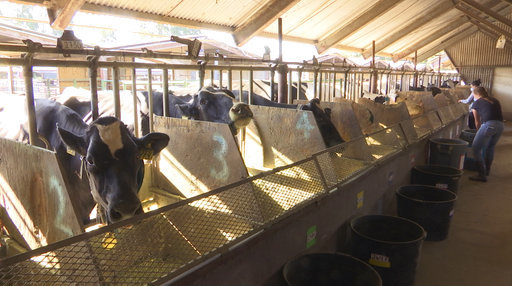
Over the course of five months last summer, Kebreab and Roque added scant amounts of seaweed to the diet of 21 beef cattle and tracked their weight gain and methane emissions. Cattle that consumed doses of about 80 grams (3 ounces) of seaweed gained as much weight as their herd mates while burping out 82 percent less methane into the atmosphere. Kebreab and Roque are building on their earlier work with dairy cattle, which was the world’s first experiment reported that used seaweed in cattle.

Less gassy, more sustainable

Greenhouse gases are a major cause of climate change, and methane is a potent greenhouse gas. Agriculture is responsible for 10 percent of greenhouse gas emissions in the U.S., and half of those come from cows and other ruminant animals that belch methane and other gases throughout the day as they digest forages like grass and hay.

Since cattle are the top agricultural source of greenhouse gases, many have suggested people eat less meat to help address climate change. Kebreab looks to cattle nutrition instead.

“Only a tiny fraction of the earth is fit for crop production,” Kebreab explained. “Much more land is suitable only for grazing, so livestock plays a vital role in feeding the 10 billion people who will soon inhabit the planet. Since much of livestock’s methane emissions come from the animal itself, nutrition plays a big role in finding solutions.”

In 2018, Kebreab and Roque were able to reduce methane emissions from dairy cows by over 50 percent by supplementing their diet with seaweed for two weeks. The seaweed inhibits an enzyme in the cow’s digestive system that contributes to methane production.

In the new study, Kebreab and Roque tested whether those reductions were sustainable over time by feeding cows a touch of seaweed every day for five months, from the time they were young on the range through their later days on the feed lot.

Four times a day, the cows ate a snack from an open-air contraption that measured the methane in their breath. The results were clear. Cattle that consumed seaweed emitted much less methane, and there was no drop-off in efficacy over time.

Next steps

Results from a taste-test panel found no differences in the flavor of the beef from seaweed-fed steers compared with a control group. Similar tests with dairy cattle showed that seaweed had no impact on the taste of milk.

Also, scientists are studying ways to farm the type of seaweed—Asparagopsis taxiformis—that Kebreab’s team used in the tests. There is not enough of it in the wild for broad application.

Another challenge: How do ranchers provide seaweed supplements to grazing cattle on the open range? That’s the subject of Kebreab’s next study.

Kebreab and Roque collaborated with a federal scientific agency in Australia called the Commonwealth Scientific and Industrial Research Organization, James Cook University in Australia, Meat and Livestock Australia, and Blue Ocean Barns, a startup company that sources, processes, markets and certifies seaweed-based additives to cattle feed. Kebreab is a scientific adviser to Blue Ocean Barns.

“There is more work to be done, but we are very encouraged by these results,” Roque said. “We now have a clear answer to the question of whether seaweed supplements can sustainably reduce livestock methane emissions and its long term effectiveness.”

Design a site like this with WordPress.com
Get started