Categories
environment

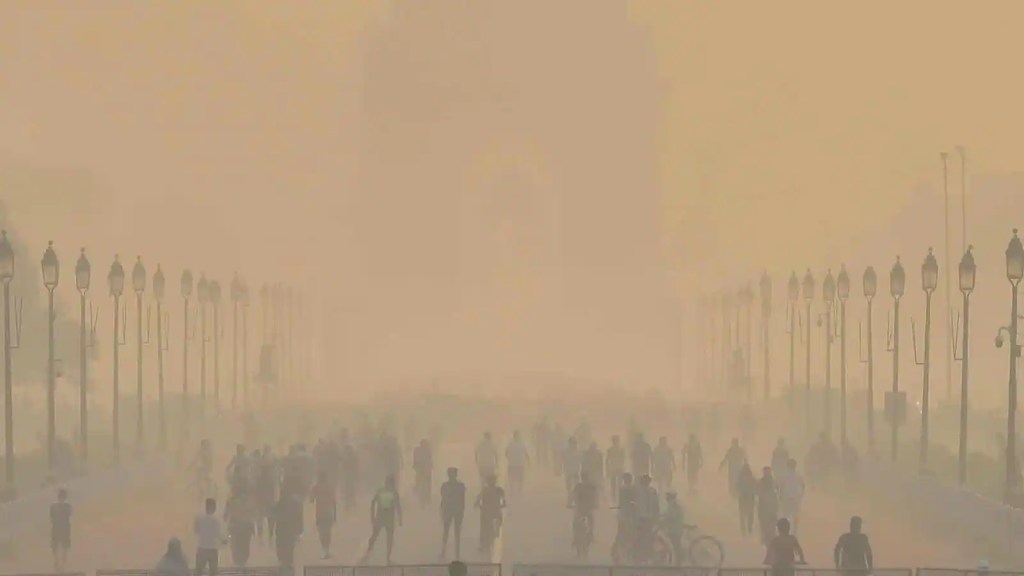
Delhi’s choked roads worsen India’s toxic smog crisis

Smog in Delhi

After decades commuting on New Delhi’s parlous roads, office worker Ashok Kumar spends more time than ever stuck in the gridlock that packs the Indian capital’s thoroughfares and pollutes the city.

The sprawling megacity of 20 million people is regularly ranked the world’s most polluted capital, with traffic exhaust a main driver of the toxic smog that permeates the skies, especially in winter.

Delhi’s patchwork public transport network struggles to cater for a booming population, with long queues snaking outside the city’s underground metro stations each evening and overloaded buses inching their way down clogged arterials.

“When I came to Delhi, the air was clean because there were hardly any cars or bikes on the roads,” Kumar told AFP while waiting for a ride home outside the city’s main bus terminal.

“But now everyone owns a vehicle.”

Kumar spends nearly four hours each day in a “gruelling journey” to and from his home on Delhi’s far southern outskirts, alternating between commuter buses, private shared taxis and rickshaws.

Even at the age of 61, Kumar is hoping to save enough money to buy his own scooter and spare himself the pain of the daily commute.

“Not many people can afford to waste their time on public transport,” he said.

Private vehicle registrations have tripled in the last 15 years—there are now more than 13 million on the capital’s roads, government figures show.

The consequences are felt year-round, with Delhi road users spending 1.5 hours more in traffic than other major Asian cities, according to the Boston Consulting Group.

But come winter the daily inconvenience escalates into a full-blown public health crisis, as prevailing winds slow and the thick blanket of haze settles over the city sees a surge in hospital admissions from residents struggling to breathe.

Vehicle emissions accounted for more than half of the city air’s concentration of PM2.5—the smallest airborne particles most hazardous to human health—at the start of November, Delhi’s Centre for Science and Environment (CSE) said.

‘It made more sense’

A study from the centre last year showed the capital was experiencing a steady decline in public transit ridership.

Infrastructure has improved since the turn of the century, when Delhi inaugurated the first links in an underground rail network that now spans more than 250 stations and stretches into neighbouring satellite cities.

But the CSE said long distances between metro stops and residential areas was pushing commuters to switch to private vehicles.

“The Metro is convenient but I still had to take an auto-rickshaw or shared taxi from the station to my home,” Sudeep Mishra, 31, told AFP.

Mishra’s daily commute was a 50-kilometre (30-mile) return journey, including the two kilometres he had to navigate between the nearest station and his home—now all done on a second-hand motorbike.

“It was a hassle and expensive as well,” said Mishra, also a white-collar worker. “It made more sense to buy my vehicle to save time and money.”

Experts say this poor last mile connectivity is a particular issue for women, who often have to choose between private transport or risking a walk on dark and unsafe streets.

The move to private vehicles has seen Delhi’s bus network atrophy, with more than a hundred bus routes culled since 2009.

The state-run Delhi Transport Corporation’s fleet has shrunk by nearly half since a decade ago and last ordered new buses in 2008—with a planned expansion marred by corruption claims.

Cosmetic solutions

There is a direct link between this underinvestment in public transport and the capital’s worsening air pollution, said Sunil Dahiya, a New Delhi-based analyst with the Center for Research on Energy and Clean Air.

Official campaigns have attempted to lighten the haze in recent years, with the city at one point banning vehicles from the roads using an alternating odd-even system based on licence plate numbers.

Groups of youngsters are paid to stand at busy traffic intersections, waving placards urging drivers to turn off their ignitions while waiting at red lights.

And incentives have been offered for electric vehicle owners, but with only 145 charging stations across the city, take-up has been slow.

Dahiya told AFP that only a huge investment to make public transport more appealing and convenient would start to solve the intractable problem.

“We need aggressive growth in public transport to start seeing an absolute reduction in air pollution levels,” he said.

Traffic in Delhi
Categories
Biology environment

Marine Biologists Discover New Species of Octopus

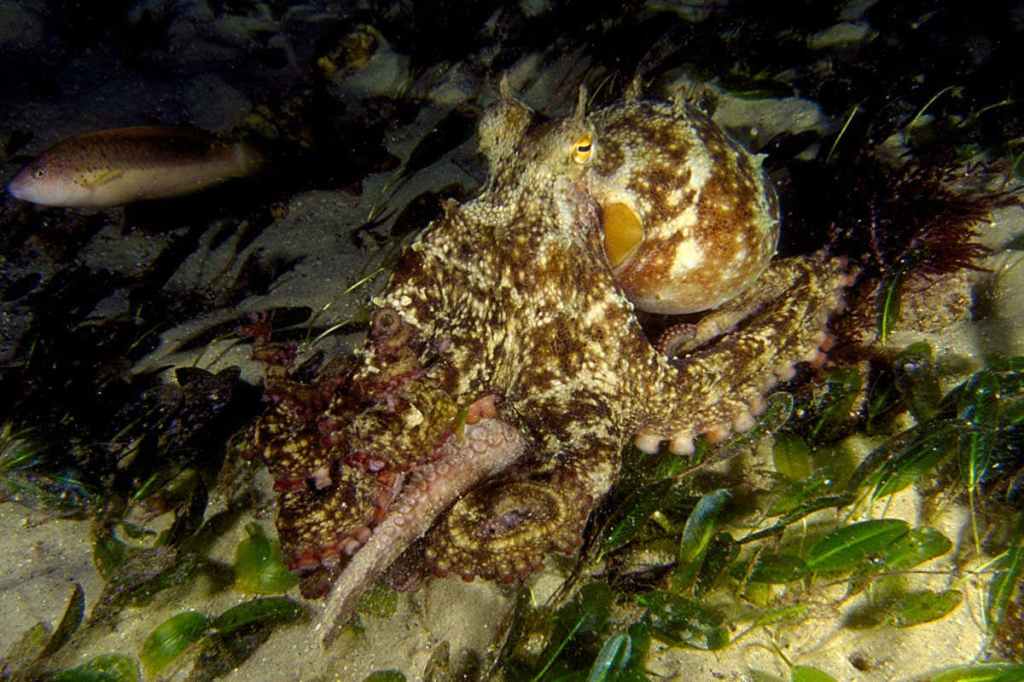
The newly-discovered octopus species inhabits the shallow waters off southwest Australia and belongs to the Octopus vulgaris group, according to a new paper published in the journal Zootaxa.

Octopus Djinda

“Benthic shallow-water species are among the most studied and best understood octopods, and are, therefore, of high interest to researchers and fishers,” said Dr. Michael Amor from the Western Australian Museum and Royal Botanic Gardens Victoria and Dr. Anthony Hart from the Western Australian Fisheries and Marine Research Laboratory.

“This attention can lead to an improved understanding of species boundaries and distributions, including the potential identification of cryptic taxa.”

“Cryptic speciation is common among octopods and examples are prevalent throughout the order Octopoda.”

“Octopuses have few hard body parts or diagnostic taxonomic traits. Further, morphological plasticity that is linked to local environmental conditions and the limited utility of traditional molecular markers have compounded our likely underestimation of species richness among octopods.”

“Within Octopoda, perhaps the most iconic example of this phenomenon is observed among members of the Octopus vulgaris group,” they added.

“This species-group represents one of the greatest octopus fisheries targets, and are of broad scientific interest (e.g., cell biology, environmental science, fisheries research, neuroscience, physiology, robotics).”

The newly-discovered species is conspecific with another member of the Octopus vulgaris group — the common Sydney octopus (Octopus tetricus) from Australia’s east coast and New Zealand — but is morphologically and genetically distinct.

Named the star octopus (Octopus djinda), the marine creature is distributed along the southwest coast of Australia, from Shark Bay to Cape Le Grand.

“This distribution closely reflects the territory of the traditional custodians of this land, the Nyoongar people (‘a person of the southwest of Western Australia’),” the researchers said.

“To recognize their connection to this land, a Nyoongar translation of ‘star’ (djinda) was selected as a species name. This use of ‘star’ (luminous) reflects the shared recent ancestry with, and now-understood distinction from, Octopus tetricus.”

The new species is a medium to large octopus, with a mantle length of 10.9-17.7 cm (4.3-7 inches).

Octopus djinda supports a highly productive fishery and is currently one of two octopod fisheries worldwide to have received sustainable certification from the Marine Stewardship Council,” the scientists said.

“Its taxonomic description provides formal recognition of the taxonomic status of southwest Australia’s common octopus, Octopus djinda, and facilitates appropriate fisheries catch reporting and management.”

Categories
Biology human body

Second HIV patient to have recovered naturally!!!

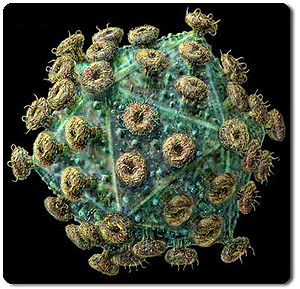
A 30-year-old woman from the city of Esperanza, Argentina — the so-called Esperanza Patient — appears to be the second person whose immune system cleared the HIV-1 virus without antiretroviral therapy.

“During infection, HIV places copies of its genome into the DNA of cells, creating what is known as a viral reservoir,” said senior co-author Dr. Xu Yu, a researcher at Ragon Institute of MGH, MIT and Harvard Brigham and Women’s Hospital, and her colleagues.

“In this state, the virus effectively hides from anti-HIV drugs and the body’s immune response.”

“In most people, new viral particles are constantly made from this reservoir.”

“Antiretroviral therapy can prevent the new viruses from being made but cannot eliminate the reservoir, necessitating daily treatment to suppress the virus.”

“Some people, known as elite controllers, have immune systems that are able to suppress HIV without the need for medication.”

“Though they still have viral reservoirs that can produce more HIV virus, a type of immune cell called a killer T cell keeps the virus suppressed without the need for medication.”

In 2020, Dr. Yu and co-authors identified the first elite controller who had no intact HIV-1 viral sequence in her genome, indicating that her immune system may have eliminated the HIV-1 reservoir — what the scientists call a sterilizing cure.

The researchers sequenced billions of cells from that patient — known as the San Francisco Patient — searching for any HIV-1 sequence that could be used to create new virus, and found none.

The newly-identified patient, like the San Francisco Patient, has no intact HIV-1 genomes in a total of 1.188 billion peripheral blood mononuclear cells and 503 million mononuclear cells from placental tissues.

“These findings, especially with the identification of a second case, indicate there may be an actionable path to a sterilizing cure for people who are not able to do this on their own,” Dr. Yu said.

“The results may suggest a specific killer T cell response common to both patients driving this response, with the possibility that other people with HIV have also achieved a sterilizing cure.”

“If the immune mechanisms underlying this response can be understood by researchers, they may be able to develop treatments that teach others’ immune systems to mimic these responses in cases of HIV infection.”

“We are now looking toward the possibility of inducing this kind of immunity in persons on antiretroviral therapy through vaccination, with the goal of educating their immune systems to be able to control the virus without antiretroviral therapy,” she said.

Hope this seemingly magical recovery opens the doors to the ultimate cure/prevention for HIV infection!

HIV Virus
Categories
Biology environment

This squirrel watches its neighbor’s back

Barbary ground squirrels look for predators together as a survival strategy

Just because you’re paranoid, that doesn’t mean everything isn’t actually trying to kill you.

Ground squirrels have few natural defenses against predators, so they rely on an early warning system to identify threats and alert others to run for cover.

But unlike meerkats that take individual turns standing watch while the rest forage, ground squirrels found off the coast of Africa keep watch together — a behavior called synchronous vigilance, according to a new study published in the journal Behavioral Ecology and Sociobiology.

Lead author Annemarie van der Marel, a postdoctoral researcher at the University of Cincinnati, spent three winters studying Barbary ground squirrels, an invasive species introduced to the Canary Islands from Morocco on Africa’s mainland. The almond-eyed, striped rodents with bushy tails live in colonies and take shelter underground in a network of burrows like other ground squirrels.

“They’re pretty cute. People had them as pets and that’s how they were introduced to the Canary Islands in 1965,” she said.

“I looked at whether and why they were social. I began studying the strategies for how they evade predation and increase survival. That’s how I got to the question of the synchronous vigilance of the species,” she said.

Prey animals such as kangaroos and wild boar also use synchronous vigilance to stay safe, van der Marel said.

Co-author Marta López Darias, a researcher with the Institute of Natural Products and Agrobiology in Spain, said the synchronized behavior increased with the size of the group, similar to observations made in other species that use this defense mechanism.

Unusual for ground squirrels, the populations found in the Canary Islands are as comfortable in the trees as on the ground, she said. They seem to prefer high vantage points such as the old rock walls above the fields and ravines where they can scan all angles of their surroundings. On the Canary Islands’ Fuerteventura, the squirrels face daily threats from domestic cats and birds of prey like buzzards and common kestrels.

“When they forage, they’re most vulnerable,” van der Marel said. “So the squirrels have to balance the time spent foraging and being vigilant. Their main defense mechanism is being watchful and alerting other group members to escape predation.”

To find food, the squirrels set out daily from their underground dens to forage for roots, seeds and fruit. Active in the day, they rely on their keen vision to detect threats from the air and land. The alarm call of a nearby squirrel will alert others and may send some running for the safety of rock piles or the nearest burrow. Often, other squirrels will join in the watchful vigil.

The animals can’t look for food and be on high alert for predators at the same time. So throughout the day they stop what they’re doing to scan the environment together, often from a higher vantage point, van der Marel said.

Virtually all the squirrels spend time standing watch during the day. About one-third of the time, they do so alone. But 40% of the time, they have company. And when a predator is observed, multiple squirrels stop to stand watch 60% of the time, the study found.

Researchers found that squirrels that spent more time watching still found enough food to remain in good physical condition. Likewise, their extended vigilance did not affect their overall survival rates.

“There are plentiful resources and less predation pressure, so they don’t have to forage as much,” she said.

Barbary ground squirrel - Stock Image - C018/0830 - Science Photo Library
Barbary Ground Squirrel
Categories
environment

Human activity is slowly killing the world’s rivers, study illustrates

The rivers criss-crossing Earth are choking up and anthropogenic factors were found to be one of the prominent reasons, according to a new report. Agriculture, mining and dam construction emerged as some of the biggest contributors to this degradation.

The chemical composition of major rivers such as Yangtze, Amazon, Mississippi and Congo have been altered by natural and human activities, the study found. 

Historical data analysis of  runoff and solute concentration of 149 large rivers pointed out that higher volumes of calcium, potassium, chloride and bicarbonates are flowing through river basins and estuaries. 

The concentration of total dissolved solids draining into oceans increased 68 per cent, chloride 81 per cent, sodium 86 per cent and sulfate (142 per cent) fluxes in almost a decade, according to the report published in Nature Communications journal October 12, 2021. 

An international cohort of scientists from universities in China, the United States and the United Kingdom created a database of solute contents (some records maintained over a century) and analysed the same for almost 10 years. 

The rivers observed included the Colorado and Mississippi (USA), the Amazon (South America), the Congo (Africa), the Rhine (Europe), the Yellow and Yangtse rivers (China) and the Murray (Australia).

The polar and tropical regions were the worst-affected because most of the urbanisation and agriculture were concentrated there. Weathering of rocks are also contributing factors. 

These human activities, along with natural factors, cause seven river syndromes — salinisation, mineralisation, desalinisation, acidification, alkalisation, hardening and softening — that damage ecosystems. 

“Acidification was also observed close to the equator as a result of bicarbonate levels vital for river health being present in the rivers of South America,” the researchers wrote in the report. 

About 6,400 million tonnes of solutes reach the sea from rivers each year, the report stated. 

It called for urgent mitigation measures to prevent solute concetrations from exceeding critical levels.

Categories
Covid-19 environment

CO2 Emissions bounce back!!

A new report by multiple international scientific agencies has flagged that fossil fuel emissions from coal, gas cement etc are back to 2019 levels or even higher in 2021.

Fossil CO2 emissions from coal, oil, gas and cement – peaked at 36.64 GtCO2 in 2019, followed by a significant drop of 1.98 GtCO2 (5.6%) in 2020 due to the Covid-19 pandemic.

Based on preliminary estimates, global emissions in the power and industry sectors were already at the same level or higher in January-July 2021 than in the same period in 2019, before the pandemic, highlights of the United in Science report said on Thursday.

United in Science is coordinated by the World Meteorological Organization (WMO), with input from the UN Environment Programme (UNEP), the World Health Organization (WHO), the Intergovernmental Panel on Climate Change (IPCC), the Global Carbon Project (GCP) etc. The full report will be released later today.

While emissions from road transport remained about 5% lower. Apart from aviation and sea transport, global emissions were at about the same levels as in 2019, averaged across those 7 months.

Concentrations of all major greenhouse gases – carbon dioxide (CO2), methane (CH4) and nitrous oxide (NO) continued to increase in 2020 and the first half of 2021, the report said, adding that overall emissions reductions in 2020 likely reduced the annual increase of the atmospheric concentrations of greenhouse gases “but this effect was too small to be distinguished from natural variability.”

United in Science has reiterated that there is high chance that global average temperature in one of the next five years will be at least 1.5 degrees Celsius (°C) higher than pre-industrial levels. Annual global mean near-surface temperature is likely to be within the range 0.9°C to 1.8°C in the next five years. There is a 40% chance that average global temperature in one of the next five years will be at least 1.5°C warmer than pre-industrial levels but it is very unlikely (~10%) that the 5-year mean temperature for 2021–2025 will be 1.5°C warmer.

The report has also flagged that coastal cities around the world; low lying coastal areas, small islands and deltas will need adaptation strategies urgently. Global mean sea levels rose 20 cm from 1900 to 2018 and at an accelerated rate of 3.7+0.5 mm/yr from 2006 to 2018. Even if emissions are reduced to limit warming to well below 2°C, global mean sea level would likely rise by 0.3–0.6 m by 2100. “Adaptation to this residual rise will be essential – adaptation strategies are needed where they do not exist – especially in low-lying coasts, small islands, deltas and coastal cities,” the report has said.

“Throughout the pandemic we have heard that we must build back better to set humanity on a more sustainable path and to avoid the worst impacts of climate change on society and economies. This report shows that so far in 2021 we are not going in the right direction,” said WMO Secretary-General Petteri Taalas.

This report shows just how far off course we are. The past five-year period is among the hottest on record. We continue to destroy the things on which we depend for life on Earth. Ice caps and glaciers continue to melt, sea-level rise is accelerating, the ocean is dying and biodiversity is collapsing. This year, fossil fuel emissions have bounced back to pre-pandemic levels. Greenhouse gas concentrations continue to rise to new record highs. We now have five times the number of recorded weather disasters than we had in 1970 and they are seven times more costly. Even the most developed countries have become vulnerable,” said UN Secretary-General, António Guterres on the launch of the report.

He added that UN climate negotiations (COP26) this November must mark that turning point. “By then we need all countries to commit to achieve net zero emissions by the middle of this century and to present clear, credible long-term strategies to get there. We need all countries to present more ambitious and achievable Nationally Determined Contributions that will together cut global greenhouse gas emissions by 45% by 2030, compared to 2010 levels. Nothing less will do.”

Guterres, and UK Prime Minister Boris Johnson have called an informal, closed-door roundtable with a small but representative group of heads of state and government, on the sidelines of the General Assembly, on Monday September 20. The Informal Climate Leaders Roundtable on Climate Action follows the recent report of the Intergovernmental Panel on Climate Change and comes less than six weeks before the COP26 Climate Change Conference in Glasgow.

IPCC’s report last month had flagged that the world may have lost the opportunity to keep global warming under 1.5°C over pre-industrial levels. The 1.5°C global warming threshold is likely to be breached in the next 10 to 20 years by 2040 in all emission scenarios including the one where carbon dioxide (CO2) emissions decline rapidly to net zero around 2050.

According to senior officials in the UN, the focus of the meeting will be a road map for the 1.5°C goal; climate mitigation and adaptation finance particularly the commitment to mobilise $100 billion per year by 2020 by developed countries.

Categories
Biology human body Uncategorized

AI breakthrough could spark medical revolution

There are around 20,000 of these proteins expressed by the human genome. Collectively, biologists refer to this full complement as the “proteome”.

Commenting on the results from AlphaFold, Dr Demis Hassabis, chief executive and co-founder of artificial intelligence company Deep Mind, said: “We believe it’s the most complete and accurate picture of the human proteome to date.

“We believe this work represents the most significant contribution AI has made to advancing the state of scientific knowledge to date.

“And I think it’s a great illustration and example of the kind of benefits AI can bring to society.” He added: “We’re just so excited to see what the community is going to do with this.”

Proteins are made up of chains of smaller building blocks called amino acids. These chains fold in myriad different ways, forming a unique 3D shape. A protein’s shape determines its function in the human body.

The 350,000 protein structures predicted by AlphaFold include not only the 20,000 contained in the human proteome, but also those of so-called model organisms used in scientific research, such as E. coli, yeast, the fruit fly and the mouse.

This giant leap in capability is described by DeepMind researchers and a team from the European Molecular Biology Laboratory (EMBL) in the prestigious journal Nature.

AlphaFold was able to make a confident prediction of the structural positions for 58% of the amino acids in the human proteome.

The positions of 35.7% were predicted with a very high degree of confidence – double the number confirmed by experiments.

Traditional techniques to work out protein structures include X-ray crystallography, cryogenic electron microscopy (Cryo-EM) and others. But none of these is easy to do: “It takes a huge amount of money and resources to do structures,” Prof John McGeehan, a structural biologist at the University of Portsmouth, told BBC News.

Therefore, the 3D shapes are often determined as part of targeted scientific investigations, but no project until now had systematically determined structures for all the proteins made by the body.

In fact, just 17% of the proteome is covered by a structure confirmed experimentally.

Commenting on the predictions from AlphaFold, Prof McGeehan said: “It’s just the speed – the fact that it was taking us six months per structure and now it takes a couple of minutes. We couldn’t really have predicted that would happen so fast.”

“When we first sent our seven sequences to the DeepMind team, two of those we already had the experimental structures for. So we were able to test those when they came back. It was one of those moments – to be honest – where the hairs stood up on the back of my neck because the structures [AlphaFold] produced were identical.”

Prof Edith Heard, from EMBL, said: “This will be transformative for our understanding of how life works. That’s because proteins represent the fundamental building blocks from which living organisms are made.”

“The applications are limited only by our understanding.”

Those applications we can envisage now include developing new drugs and treatments for disease, designing future crops that can resist climate change, and enzymes that can break down the plastic that pervades the environment.

Prof McGeehan’s group is already using AlphaFold’s data to help develop faster enzymes for degrading plastic. He said the program had provided predictions for proteins of interest whose structures could not be determined experimentally – helping accelerate their project by “multiple years”.

Dr Ewan Birney, director of EMBL’s European Bioinformatics Institute, said the AlphaFold predicted structures were “one of the most important datasets since the mapping of the human genome”.

DeepMind has teamed up with EMBL to make the AlphaFold code and protein structure predictions openly available to the global scientific community.

Dr Hassabis said DeepMind planned to vastly expand the coverage in the database to almost every sequenced protein known to science – over 100 million structures.

Researchers Create High-Stringency Blueprint of Human Proteome | Genetics |  Sci-News.com
Categories
Biology environment Uncategorized

What Happens to Marine Life When There Isn’t Enough Oxygen?

Hypoxic ocean waters are those that have little to no oxygen. These conditions can impact both coral reef and microbial communities, such as the one pictured beneath the sea surface here. This is a view of the surface waters off the coast of a Bocos del Toro island. Credit: Maggie Johnson © Woods Hole Oceanographic Institution

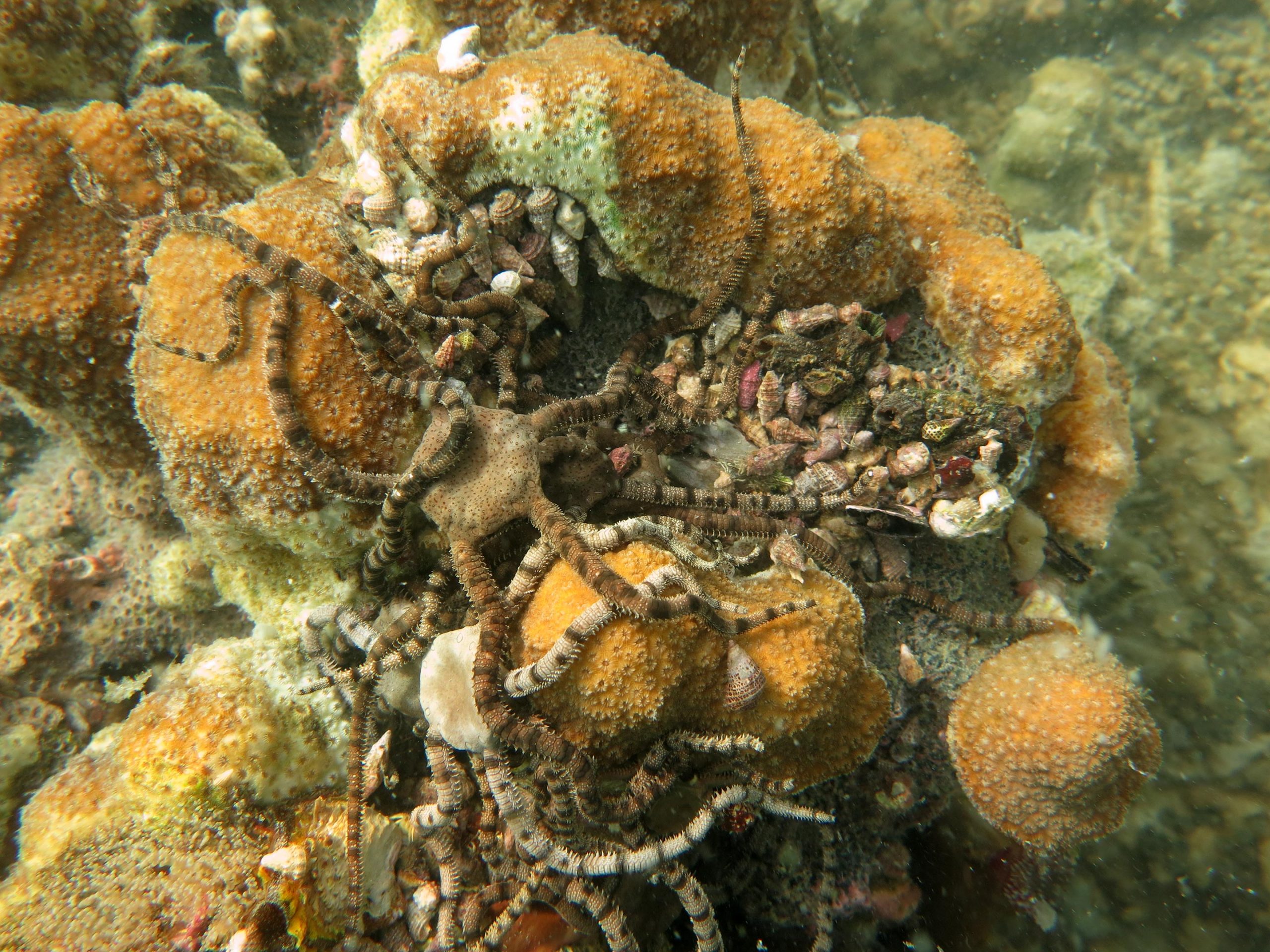
In September of 2017, Woods Hole Oceanographic Institution postdoctoral scholar Maggie Johnson was conducting an experiment with a colleague in Bocas del Toro off the Caribbean coast of Panama. After sitting on a quiet, warm open ocean, they snorkeled down to find a peculiar layer of murky, foul-smelling water about 10 feet below the surface, with brittle stars and sea urchins, which are usually in hiding, perching on the tops of coral.

This unique observation prompted a collaborative study explained in a new paper published on July 26, 2021, in Nature Communications analyzing what this foggy water layer is caused by, and the impact it has on life at the bottom of the seafloor.

“What we’re seeing are hypoxic ocean waters, meaning there is little to no oxygen in that area. All of the macro-organisms are trying to get away from this deoxygenated water, and those that cannot escape essentially suffocate. I have never seen anything like that on a coral reef,” said Johnson.

The study looks closely at the changes occurring in both coral reef and microbial communities near Bocas del Toro during sudden hypoxic events. When water drops below 2.8mg of oxygen per liter, it becomes hypoxic. More than 10% of coral reefs around the world are at high risk for hypoxia (Altieri et al. 2017- tropical dead zones and mass mortalities on coral reefs).

There is a combination of stagnant water from low wind activity, warm water temperatures, and nutrient pollution from nearby plantations, which contributes to a stratification of the water column. From this, we see these hypoxic conditions form that start to expand and infringe on nearby shallow habitats,” explained Johnson.

Investigators suggest that loss of oxygen in the global ocean is accelerating due to climate change and excess nutrients, but how sudden deoxygenation events affect tropical marine ecosystems is poorly understood. Past research shows that rising temperatures can lead to physical alterations in coral, such as bleaching, which occurs when corals are stressed and expel algae that live within their tissues. If conditions don’t improve, the bleached corals then die. However, the real-time changes caused by decreasing oxygen levels in the tropics have seldom been observed.

Investigators reported coral bleaching and mass mortality due to this occurrence, causing a 50% loss of live coral, which did not show signs of recovery until a year after the event, and a drastic shift in the seafloor community. The shallowest measurement with hypoxic waters was about 9 feet deep and about 30 feet from the Bocas del Toro shore.

What about the 50% of coral that survived? Johnson and her fellow investigators found that the coral community they observed in Bocas del Toro is dynamic, and some corals have the potential to withstand these conditions. This discovery sets the stage for future research to identify which coral genotypes or species have adapted to rapidly changing environments and the characteristics that help them thrive.

Investigators also observed that the microorganisms living in the reefs restored to a normal state within a month, as opposed to the macro-organisms, like the brittle stars, who perished in these conditions. By collecting sea water samples and analyzing microbial DNA, they were able to conclude that these microbes did not necessarily adjust to their environment, but rather were “waiting” for their time to shine in these low-oxygen conditions.

Investigators also observed that the microorganisms living in the reefs restored to a normal state within a month, as opposed to the macro-organisms, like the brittle stars, who perished in these conditions. By collecting sea water samples and analyzing microbial DNA, they were able to conclude that these microbes did not necessarily adjust to their environment, but rather were “waiting” for their time to shine in these low-oxygen conditions.

“The take home message here is that you have a community of microbes; it has a particular composition and plugs along, then suddenly, all of the oxygen is removed, and you get a replacement of community members. They flourish for a while, and eventually hypoxia goes away, oxygen comes back, and that community rapidly shifts back to what it was before due to the change in resources. This is very much in contrast to what you see with macro-organisms,” said Jarrod Scott, paper co-author and postdoctoral fellow at the Smithsonian Tropical Research Institute in the Republic of Panama.

Scott and Johnson agree that human activity can contribute to the nutrient pollution and warming waters which then lead to hypoxic ocean conditions. Activities such as coastal land development and farming can be better managed and improved, which will reduce the likelihood of deoxygenation events occurring.

The study provides insight to the fate of microbe communities on a coral reef during an acute deoxygenation event. Reef microbes respond rapidly to changes in physicochemical conditions, providing reliable indications of both physical and biological processes in nature.

The shift the team detected from the hypoxic microbial community to a normal condition community after the event subsided suggests that the recovery route of reef microbes is independent and decoupled from the benthic macro-organisms. This may facilitate the restart of key microbial processes that influence the recovery of other aspects of the reef community.

Brittle sea stars, which usually are in hiding, perch on top of andcoral to attempt to escape from hypoxic ocean waters, which have little to no oxygen in that area. Sadly, those that cannot escape essentially suffocate. Credit: Maggie Johnson © Woods Hole Oceanographic Institution

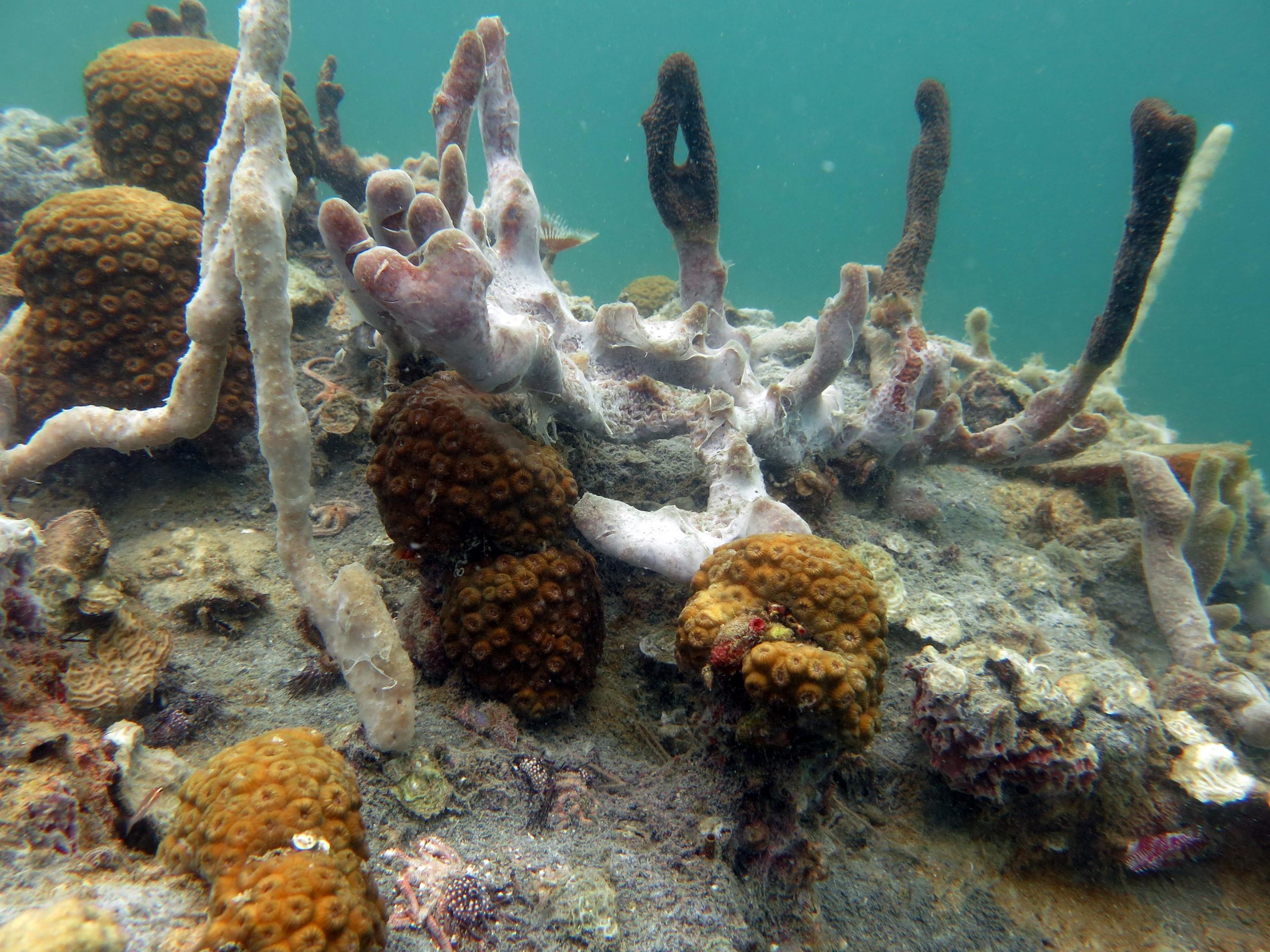
A sea sponge after a hypoxic event occurs. Hypoxic waters are those with little to no oxygen. It has lasting impacts on marine life at the seafloor of shallow, tropical waters, like this (species name), as well as coral and macro-organisms like urchins. Credit: Maggie Johnson © Woods Hole Oceanographic Institution

Categories
Biology human body Uncategorized

Studies uncover details of ‘exhausted’ immune cells in patients with chronic infections

Chronic viral infections and cancer can cause “killer” T cells in the immune system to take on a state of dysfunction or exhaustion whereby they can no longer react to infectious invaders or abnormal cells like normal “memory” T cells. Two new studies led by investigators at Massachusetts General Hospital (MGH) and published in Nature Immunology provide insights into T cell exhaustion, which could lead to potential strategies to overcome it.

One study, which was led by Georg M. Lauer, MD, PhD, of the Division of Gastroenterology at MGH, focused on differences between memory and exhausted T cells in individuals with human hepatitis C virus (HCV) infection before and after treatment. After patients were treated and cured, their exhausted T cells tended to take on some properties of memory T cells but did not function as well as memory T cells.

“We saw some cosmetic improvement of the T cells that in a more superficial study could have been interpreted as real recovery, whereas in reality the key parameters determining the efficacy of a T cell were unchanged,” says Lauer. “A significant number of molecules that were altered were normalized after treatment, but others were stuck, and these were clearly the ones associated with T cell function.” This lack of recovery was especially prominent with a long duration of T cell stimulation by the virus; a shorter stimulation allowed the cells to revert to functional memory T cells.

“We are currently studying whether treating HCV with direct acting antiviral therapy in the acute phase of infection, instead of many years later, will result in full memory differentiation of T cells. If correct, this could indicate a short window of opportunity early during chronic infections to protect T cell function,” says Lauer.

Also, the molecules that the researchers found to be expressed in severely exhausted T cells might be targeted to rescue these cells.

A complementary study in the same issue of Nature Immunology that was led by Debattama Sen, PhD, at the Center for Cancer Research at MGH, and W. Nicholas Haining, BM, BCh, at Merck found that these exhausted T cells in chronic HCV infection were regulated epigenetically, or through physical changes in the cells’ chromosomes that affect the expression of genes. The investigators discovered that after clearing the virus, the epigenetic landscape of exhausted T cells was partially remodeled, but maintained many exhaustion-specific alterations, which the authors termed “epigenetic scars.” The epigenetic patterns paralleled the findings of the first paper on the protein and transcriptional level, indicating a key role for epigenetic control in determining the fate of the T cells. “These scars might be locking the exhausted T cells and preventing return to proper function even if the chronic infection in the patient is cured,” notes Sen. “Thus, restoring the function of these cells will likely require directly removing or inactivating these scarred regions to unlock the cells’ functionality.”

By comparing T cell responses across a range of viruses that are either effectively cleared (like influenza) or become chronic (like HCV and HIV), the scientists produced a map of where these exhaustion-specific scars occur. “This will enable precision editing and allow us to target the specific regions relevant to exhausted T cells and minimize off-target effects in other T cell populations,” says Sen.

The two studies were performed within an NIH/NIAID-funded U19 Cooperative Center on Human Immunology (CCHI) located at MGH. A third study on exhausted T cells, which was conducted by MGH CCHI investigators at the University of Pennsylvania, accompanies these two articles in Nature Immunology. A News & Views article in the journal provides additional perspectives on the implications of the studies’ findings.

exhausted immune cells in patients with chronic infections

Categories
Biology environment human body

Why do Mosquitoes Bite Some More Than Others?

Monsoon can take a toll on human health. From manageable disease like cold and flu, to fatal diseases like dengue, malaria and chikungunya, monsoon brings along with it health complications that can put us at risk. While it might not be possible to avoid mosquito bites, as despite using ways like using mosquito repellents and avoiding mosquito-breeding, the vector succeeds in transmitting these diseases.

In a group, you must have noticed there is always someone who will complain about mosquitoes attacking them the most. That’s because, according to a report by Huff Post mosquitoes are selective insects, and some people are more likely to get bites than others.

There are certain factors which contribute to this effect. In one controlled study by the Journal of Medical Entomology, the bugs landed on people with blood Type O nearly twice as frequently as those with Type A. The researchers noted this has to do with secretions we produce, which tips mosquitoes off on a person’s blood type.

Entomology professor at the University of Florida, Jonathan F. Day said that more research needs to be conducted on mosquitoes’ potential preference for certain blood types over others. However, he agreed that mosquitoes do pick up on some cues we give off that make the bugs more likely to land on certain people.

“These cues let them know they are going to a blood source,” Day said. “Perhaps CO2 is the most important. The amount of CO2 you produce, like people with high metabolic rates ― genetic, other factors ― increases the amount of carbon dioxide you give off. The more you give off, the more attractive you are to these arthropods.”

The next question which pops up is what separates us from the nonliving entities that give off carbon dioxide, like cars? Mosquitoes look for primary cues in conjunction with what Day calls “secondary cues.”

Lactic acid — the stuff that causes our muscles to cramp during exercise — is one of those secondary cues, for example. Lactic acid is released through the skin, signaling to mosquitoes that we are a target, Day said.

Mosquitoes also have other qualities that help them pick up on secondary cues. “Mosquitoes have excellent vision, but they fly close to the ground to stay out of the wind,” Day said. “They are able to contrast you with the horizon, so how you’re dressed matters. If you have on dark clothes, you are going to attract more because you’ll stand out from the horizon, whereas those wearing light colors won’t as much.”

A mosquito also takes in “tactile cues” once it has landed on you.

“Body heat is a really important tactile cue,” Day said. “That comes into play with genetic differences or physiological differences. Some people tend to run a little warmer — when they land, they’re looking for a place where blood is close to the skin.” That means those whose temperatures are a little higher are more likely to get the bite.

Lifestyle or other health factors may also play a role, said Melissa Piliang, a dermatologist at Cleveland Clinic. “If body temperature is higher, you’re exercising and moving around a lot, or if you’re drinking alcohol, you are more attractive to mosquitoes,” Piliang said. “Being pregnant or being overweight also increases metabolic rate.”

Huff Post also said that one study showed that people who consumed just one can of beer were more at risk of attracting mosquitoes than those who didn’t. Of course, drinking outside is a popular summer and fall activity. “If you’ve been moving around all day doing yardwork and then you stop around dusk and drink a beer on your patio, you’re definitely at risk of bites,” Piliang said.

mosquitoes biting a person
Design a site like this with WordPress.com
Get started