Study found that an antibody, P36-5D2, demonstrated a substantial decrease in infectious virus load in the lungs and brain, and reduced lung disease in laboratory models.
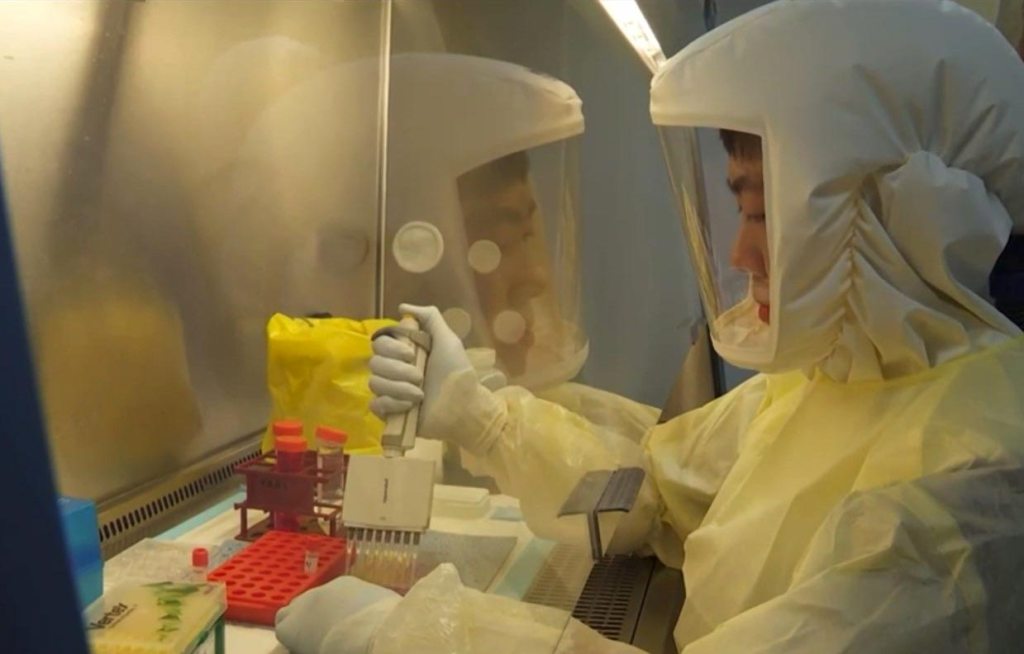
In a study jointly conducted by the Bio-Safety Level 3 (BSL-3) Core Facility at the NUS Yong Loo Lin School of Medicine (NUS Medicine) and Beijing Tsinghua University, an antibody was found to be capable of neutralizing major SARS-CoV-2 variants of concern.
As SARS-CoV-2 variants continue to emerge and spread around the world, antibodies and vaccines to confer broad and potent neutralizing activity are urgently needed. The paper titled “A Potent and Protective Human Neutralizing Antibody Against SARS-CoV-2 Variants,” which was first published in Frontiers in Immunology December 2021, explained how the team isolated and characterized monoclonal antibodies from individuals infected with SARS-CoV-2.
In the study, crystal and electron cryo-microscopy structure analyses revealed that P36-5D2, when targeted to a conserved epitope on the receptor-binding domain of the spike protein, withstood three key mutations. These mutations, namely K417N, E484K, and N501Y, are found in variants that escape from many potent neutralizing monoclonal antibodies. A single intraperitoneal injection of P36-5D2 as a prophylactic treatment demonstrated protection of the in vivo models from severe disease in the course of an infection with SARS-CoV-2 Alpha and Beta variants. These models had normal activities and body weight and were devoid of infection-associated death for up to 14 days, and demonstrated a substantial decrease of the infectious virus in the lungs and brain, as well as reduced lung disease.
The effects of P36-5D2 serve as an important reference for the development of antibody therapies against SARS-CoV-2 and its current and emerging variants. The team is conducting further research to study its effects of protection against the infection of the Delta and Omicron variants.
“The discovery of this antibody means we can be more confident in our fight against COVID-19 and its variants. With a strong and established collaboration within NUS Medicine and Beijing Tsinghua University, our scientists would be able to improve our technology to identify antibodies that can potentially treat more unknown variants that may come up in the future,” said Dr. Mok Chee Keng, Head, Science and Service Support Team, BSL-3 Core Facility at NUS Medicine.
Nutrition and bone health are intertwined, so careful consideration should be given to your diet. While calcium and vitamin D are well known contributors to bone health, there is another big player when it comes to healthy bones and that’s protein. Adequate dietary protein is essential for bone health throughout one’s life. It is needed to gain bone mass during childhood and adolescence, and is also needed to maintain bone mass with ageing.
Why is Dietary Protein Important?
Protein makes up approximately 50% of the volume of your bone, and about 33% of its mass. The bone protein matrix continually undergoes a process of remodeling. During the remodeling phase, cross-linking of collagen molecules in the bone results in modification of the amino acids, and many of the collagen fragments that are released during this process cannot be used to build new bone matrix. Therefore, an adequate supply of dietary protein is needed daily for the maintenance of your bones.
In addition to providing structural integrity to the bone matrix, protein plays a variety of other roles including increasing insulin-like growth factor-1 (IGF-1), which is a key mediator of bone health, increasing intestinal calcium absorption, suppressing parathyroid hormone, and improving muscle strength and mass. All of these factors may help to improve the health of your skeleton.
Sources of Protein
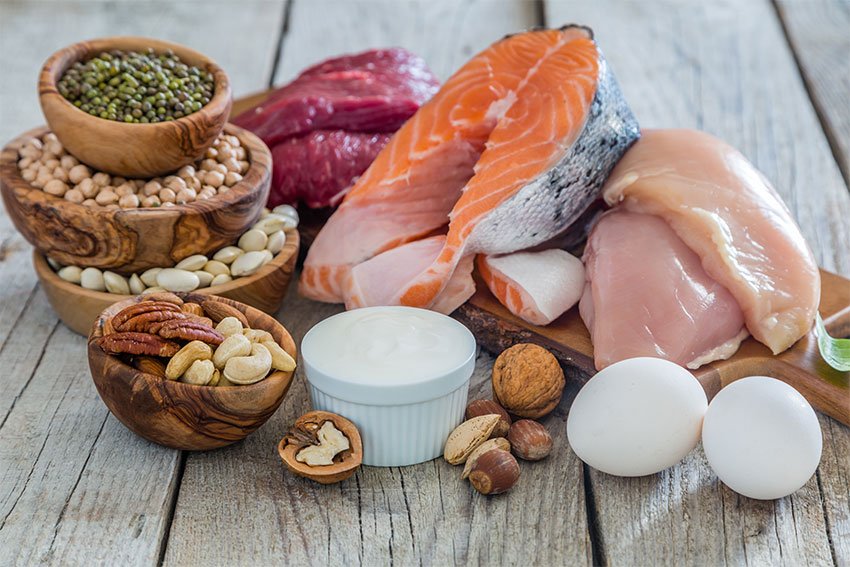
Research has found that plant versus animal proteins do not seem to differ in their ability to prevent bone loss (it should be noted that research studies in this particular area are limited). The Recommended Dietary Allowance (RDA) is 0.8 grams of protein for each kilogram of body weight. Keep in mind that this is the minimum level that you should consume to meet basic nutritional requirements. The current Dietary Guidelines for Americans suggest that between 10% and 35% of your daily calories should come from protein sources. A variety of food options provide an excellent source of protein, including both animal and vegetable sources.
Lentils & Beans: kidney beans, pinto beans, black beans, Lima beans, split peas
Soy products: tempeh, organic tofu, edamame
Grains: quinoa, whole wheat pasta, brown rice, and oatmeal
Nuts: unsalted raw or dry roasted varieties such as almonds, cashews, pistachios
Seeds: sunflower, sesame, chia, flax & hemp seeds
Spirulina
The beneficial effects of dietary protein are most prominent when there is an adequate supply of both calcium and vitamin D. To ensure that you have strong, healthy bones throughout your life, ensure that you are consuming enough calcium and dietary protein and getting enough vitamin D too.
Ozone is a naturally occurring molecule made up of three oxygen atoms. It has the chemical formula O3. The word ‘ozone’ is derived from the Greek word óζειν which means “to smell”. Its strong smell allows scientists to detect it in low amounts.
Ozone is found in different levels of the earth’s atmosphere. About 90% of ozone in the atmosphere is concentrated between 15 and 30 kilometres above the earth’s surface (stratospheric ozone). At this level it provides a protective shield from the sun, we think of this as good ozone. It is also found at ground level in lower concentrations (tropospheric ozone). Here ozone is a pollutant that is a key part of smog over cities and we think of it as bad ozone.
A Tale of Two Ozones describes the different effects of ozone depending on where in the atmosphere it is found.
What is the ozone layer?
The ozone layer is the common term for the high concentration of ozone that is found in the stratosphere between 15 and 30km above the earth’s surface. It covers the entire planet and protects life on earth by absorbing harmful ultraviolet-B (UV-B) radiation from the sun.
Prolonged exposure to UV-B radiation is linked to skin cancer, cataracts, genetic damage and immune system suppression in living organisms, and reduced productivity in agricultural crops and the food chain.
What is damaging the ozone layer?
Atmospheric data demonstrates that ozone depleting substances are destroying ozone in the stratosphere and thinning the earth’s ozone layer. Ozone depleting substances are chemicals that include chlorofluorocarbons (CFCs), halons, carbon tetrachloride (CCl4), methyl chloroform (CH3CCl3), hydrobromofluorocarbons (HBFCs), hydrochlorofluorocarbons (HCFCs), methyl bromide (CH3Br) and bromochloromethane (CH2BrCl). They deplete the ozone layer by releasing chlorine and bromine atoms into the stratosphere, which destroy ozone molecules. These and other ozone depleting substances also contribute, to varying extents, to global warming.
When was the depletion of the ozone layer discovered?
In 1974, chemists Mario Molina and Frank Sherwood Rowland discovered a link between CFCs and the breakdown of ozone in the stratosphere. In 1985, geophysicist Joe Farman, along with meteorologists Brian G Gardiner and Jon Shanklin published findings of abnormally low ozone concentrations above the Antarctic, which galvanized world-wide action.
In 1995, Mario Molina, Frank Sherwood Rowland and Paul Crutzen, also an atmospheric chemist, were jointly awarded the Nobel Prize in Chemistry “for their work in atmospheric chemistry, particularly concerning the formation and decomposition of ozone”.
More about ozone layer depletion
The ozone layer is depleted in two ways. Firstly, the ozone layer in the mid-latitude (e.g. over Australia) is thinned, leading to more UV radiation reaching the earth. Data collected in the upper atmosphere have shown that there has been a general thinning of the ozone layer over most of the globe. This includes a five to nine per cent depletion over Australia since the 1960s, which has increased the risk that Australians already face from over-exposure to UV radiation resulting from our outdoor lifestyle. Secondly, the ozone layer over the Antarctic, and to a lesser extent the Arctic, is dramatically thinned in spring, leading to an ‘ozone hole’.
Will the ozone layer recover
The global community has taken action to restore the ozone layer. The Montreal Protocol on Substances that Deplete the Ozone Layer (the Montreal Protocol) came into effect in 1987. It commits countries to phasing out production and import of all the major ozone depleting substances. Australia manages its obligations to this international agreement through the Ozone Protection and Synthetic Greenhouse Gas Management Act 1989.
Every four years, the World Meteorological Organisation and the United Nations Environment Programme review the state of the ozone layer. These reviews show that the abundance of ozone depleting chemicals in the atmosphere is now declining and the ozone layer is expected to recover to pre-1980 levels over the mid-latitudes by 2050 and over the Antarctic by 2065.
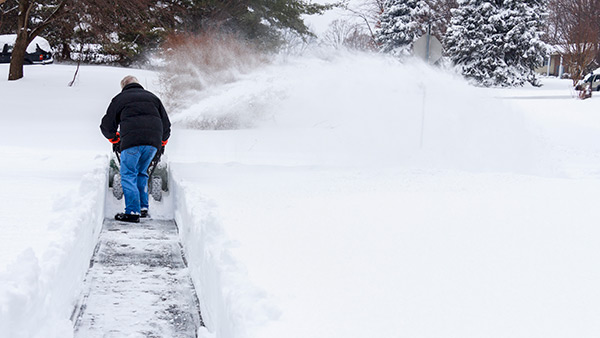
It may seem counterintuitive, but more snowfall during winter storms is an expected outcome of climate change. That’s because a warmer planet is evaporating more water into the atmosphere. That added moisture means more precipitation in the form of heavy snowfall or downpours.1
During warmer months, this can cause record-breaking floods. But during the winter – when our part of the world is tipped away from the sun – temperatures drop, and instead of downpours we can get massive winter storms.
A normal winter feels colder to us now
Winters in the U.S. have warmed a lot since the 1970s – making what used to be a typical winter feel even more frigid nowadays. This wintertime warming trend is most prominent in some of the coldest areas of the country, such as the Northeast and Upper Midwest.2
Researchers have found that the pace of winter warming has picked up in recent decades. Between 1970 and 2017, winter in the mainland U.S. warmed more than four-and-a-half times faster per decade than over the past 100 years.
Average temperatures keep going up
A cold front may bring a welcome change to sweltering summers, but overall, our planet is experiencing a dramatic warming trend.
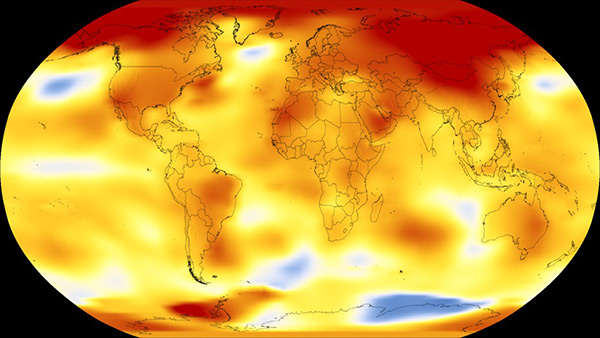
According to NOAA and NASA, 2016 shattered records as the warmest year across global land and ocean surfaces since record-keeping began in 1880.3 This is a pattern that goes back decades.
Warmer Arctic may worsen cold snaps
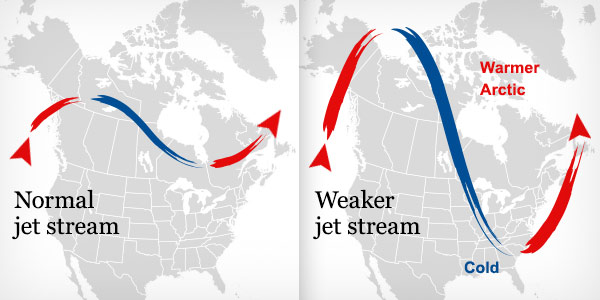
Research teams are starting to connect the dots between a warming Arctic and cold winters in the eastern United States.4
While it is still too early for scientists to reach a consensus about this plausible link, it is thought that melting sea ice in the Arctic can weaken the jet stream, allowing for frigid polar air to penetrate farther south than normal.
Analysis of ancient DNA from one of the best-preserved Neolithic tombs in Britain has revealed that most of the people buried there were from five continuous generations of a single extended family.
By analysing DNA extracted from the bones and teeth of 35 individuals entombed at Hazleton North long cairn in the Cotswolds-Severn region, the research team was able to detect that 27 of them were close biological relatives. The group lived approximately 5700 years ago — around 3700-3600 BC — around 100 years after farming had been introduced to Britain.
Published in Nature, it is the first study to reveal in such detail how prehistoric families were structured, and the international team of archaeologists and geneticists say that the results provide new insights into kinship and burial practices in Neolithic times.
The research team — which included archaeologists from Newcastle University, UK, and geneticists from the University of the Basque Country, University of Vienna and Harvard University — show that most of those buried in the tomb were descended from four women who had all had children with the same man.
The cairn at Hazleton North included two L-shaped chambered areas which were located north and south of the main ‘spine’ of the linear structure. After they had died, individuals were buried inside these two chambered areas and the research findings indicate that men were generally buried with their father and brothers, suggesting that descent was patrilineal with later generations buried at the tomb connected to the first generation entirely through male relatives.
While two of the daughters of the lineage who died in childhood were buried in the tomb, the complete absence of adult daughters suggests that their remains were placed either in the tombs of male partners with whom they had children, or elsewhere.
Although the right to use the tomb ran through patrilineal ties, the choice of whether individuals were buried in the north or south chambered area initially depended on the first-generation woman from whom they were descended, suggesting that these first-generation women were socially significant in the memories of this community.
There are also indications that ‘stepsons’ were adopted into the lineage, the researchers say — males whose mother was buried in the tomb but not their biological father, and whose mother had also had children with a male from the patriline. Additionally, the team found no evidence that another eight individuals were biological relatives of those in the family tree, which might further suggest that biological relatedness was not the only criterion for inclusion. However, three of these were women and it is possible that they could have had a partner in the tomb but either did not have any children or had daughters who reached adulthood and left the community so are absent from the tomb.
Dr Chris Fowler of Newcastle University, the first author and lead archaeologist of the study, said: “This study gives us an unprecedented insight into kinship in a Neolithic community. The tomb at Hazleton North has two separate chambered areas, one accessed via a northern entrance and the other from a southern entrance, and just one extraordinary finding is that initially each of the two halves of the tomb were used to place the remains of the dead from one of two branches of the same family. This is of wider importance because it suggests that the architectural layout of other Neolithic tombs might tell us about how kinship operated at those tombs.”
Iñigo Olalde of the University of the Basque Country and Ikerbasque, the lead geneticist for the study and co-first author, said: “The excellent DNA preservation at the tomb and the use of the latest technologies in ancient DNA recovery and analysis allowed us to uncover the oldest family tree ever reconstructed and analyse it to understand something profound about the social structure of these ancient groups.”
David Reich at Harvard University, whose laboratory led the ancient DNA generation, added: “This study reflects what I think is the future of ancient DNA: one in which archaeologists are able to apply ancient DNA analysis at sufficiently high resolution to address the questions that truly matter to archaeologists.”
Ron Pinhasi, of the University of Vienna, said: “It was difficult to imagine just a few years ago that we would ever know about Neolithic kinship structures. But this is just the beginning and no doubt there is a lot more to be discovered from other sites in Britain, Atlantic France, and other regions.”
The project was an international collaboration between archaeologists from the Universities of Newcastle, York, Exeter and Central Lancashire, and geneticists at the University of Vienna, University of the Basque Country and Harvard University. Corinium Museum, Cirencester, provided permission to sample the remains in their collection.
The work received primary funding from a Ramón y Cajal grant from the Ministerio de Ciencia e Innovación of the Spanish Government (RYC2019-027909-I), Ikerbasque — Basque Foundation of Science, the US National Institutes of Health (grant GM100233), the John Templeton Foundation (grant 61220), a private gift from Jean-François Clin, the Allen Discovery Center program, a Paul G. Allen Frontiers Group advised program of the Paul G. Allen Family Foundation, and the Howard Hughes Medical Institute
BENGALURU: Reduction of economic activities during the pandemic-related lockdown had resulted in decrease of air pollution in most parts of India, but satellite observations show that parts of India showed an increase in pollution in contrast to the general trend.
Scientists from the Aryabhatta Research Institute of Observational Sciences (ARIES) have identified that regions in the central-western part of India and north India are prone to higher air pollution exposure based on state-of-the-art satellite observations and hence are exposed to greater risk of respiratory problems.
ARIES said while satellite-based observation of toxic trace gases — ozone, nitrogen-di-oxide and carbon monoxide — near the surface and in the free troposphere mostly showed a reduction of the pollutants over India, an increase of ozone and other toxic gases was observed in western-central India, parts of northern India, and remote Himalaya. “This could have aggravated respiratory health risks around those regions during the pandemic,” one of the scientists said.
The study shows that Carbon monoxide showed a consistent increase — 31% — of concentration at higher heights during the lockdown.
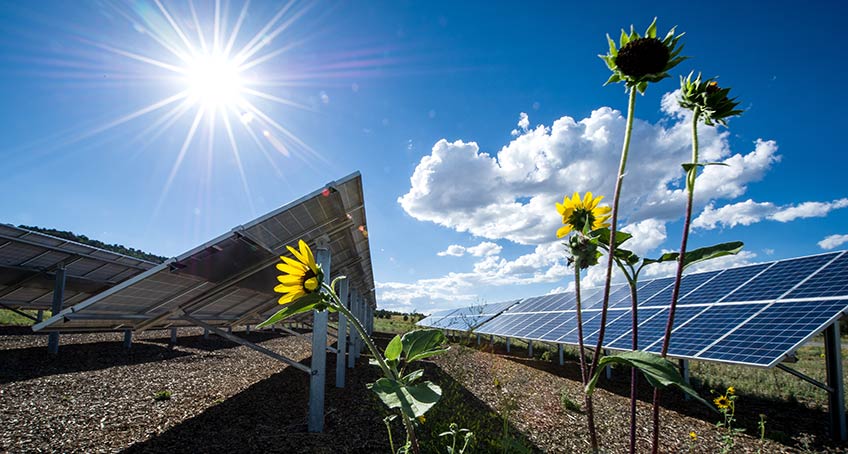
Solar cells, also called photovoltaic cells, convert sunlight directly into electricity.
Photovoltaics (often shortened as PV) gets its name from the process of converting light (photons) to electricity (voltage), which is called the photovoltaic effect. This phenomenon was first exploited in 1954 by scientists at Bell Laboratories who created a working solar cell made from silicon that generated an electric current when exposed to sunlight. Solar cells were soon being used to power space satellites and smaller items such as calculators and watches. Today, electricity from solar cells has become cost competitive in many regions and photovoltaic systems are being deployed at large scales to help power the electric grid.
Silicon Solar Cells
The vast majority of today’s solar cells are made from silicon and offer both reasonable prices and good efficiency (the rate at which the solar cell converts sunlight into electricity). These cells are usually assembled into larger modules that can be installed on the roofs of residential or commercial buildings or deployed on ground-mounted racks to create huge, utility-scale systems.
Thin-Film Solar Cells
Another commonly used photovoltaic technology is known as thin-film solar cells because they are made from very thin layers of semiconductor material, such as cadmium telluride or copper indium gallium diselenide. The thickness of these cell layers is only a few micrometers—that is, several millionths of a meter.
Thin-film solar cells can be flexible and lightweight, making them ideal for portable applications—such as in a soldier’s backpack—or for use in other products like windows that generate electricity from the sun. Some types of thin-film solar cells also benefit from manufacturing techniques that require less energy and are easier to scale-up than the manufacturing techniques required by silicon solar cells.
III-V Solar Cells
A third type of photovoltaic technology is named after the elements that compose them. III-V solar cells are mainly constructed from elements in Group III—e.g., gallium and indium—and Group V—e.g., arsenic and antimony—of the periodic table. These solar cells are generally much more expensive to manufacture than other technologies. But they convert sunlight into electricity at much higher efficiencies. Because of this, these solar cells are often used on satellites, unmanned aerial vehicles, and other applications that require a high ratio of power-to-weight.
Next-Generation Solar Cells
Solar cell researchers at NREL and elsewhere are also pursuing many new photovoltaic technologies—such as solar cells made from organic materials, quantum dots, and hybrid organic-inorganic materials (also known as perovskites). These next-generation technologies may offer lower costs, greater ease of manufacture, or other benefits. Further research will see if these promises can be realized.
Reliability and Grid Integration Research
Photovoltaic research is more than just making a high-efficiency, low-cost solar cell. Homeowners and businesses must be confident that the solar panels they install will not degrade in performance and will continue to reliably generate electricity for many years. Utilities and government regulators want to know how to add solar PV systems to the electric grid without destabilizing the careful balancing act between electricity supply and demand.
Materials scientists, economic analysts, electrical engineers, and many others at NREL are working to address these concerns and ensure solar photovoltaics are a clean and reliable source of energy.
The ocean is beingdisproportionately impacted by increasing carbon dioxide (CO2) and other greenhouse gas emissions (GHG) from human activities.
This causes changes in water temperature, ocean acidification and deoxygenation, leading to changes in oceanic circulation and chemistry, rising sea levels, increased storm intensity, as well as changes in the diversity and abundance of marine species.
Degradation of coastal and marine ecosystems threatens the physical, economic and food security of local communities, as well as resources for global businesses.
Climate change weakens the ability of the ocean and coasts to provide critical ecosystem services such as food, carbon storage, oxygen generation, as well as to supportnature-based solutions to climate change adaptation.
The sustainable management, conservation and restoration of coastal and marine ecosystems are vital to support the continued provision of ecosystem services on which people depend. A low carbon emissions trajectory is indispensable to preserve the health of the ocean.
What is the issue ?
At the front line of climate change, the ocean, the coastlines and coastal communities are being disproportionately impacted by increasing carbon dioxide (CO2) and other greenhouse gas (GHG) emissions from human activities.
The ocean plays a central role in regulating the Earth’s climate. The Fifth Assessment Report published by the Intergovernmental Panel on Climate Change (IPCC) in 2013 revealed that it has thus far absorbed 93% of the extra energy from the enhanced greenhouse effect, with warming now being observed at depths of 1,000 m. As a consequence, this has led to increased ocean stratification (prevention of water mixing due to different properties of water masses), changes in ocean current regimes, and expansion of depleted oxygen zones. Changes in the geographical ranges of marine species and shifts in growing seasons, as well as in the diversity and abundance of species communities are now being observed. At the same time, weather patterns are changing, with extreme events increasing in frequency.
Atmospheric warming is leading to the melting of inland glaciers and ice, causing rising sea levels with significant impacts on shorelines (coastal erosion, saltwater intrusion, habitat destruction) and coastal human settlements. The IPCC projects global mean sea level to increase by 0.40 [0.26–0.55] m for 2081–2100 compared with 1986–2005 for a low emission scenario, and by 0.63 [0.45–0.82] m for a high emission scenario. Extreme El Niño events are predicted to increase in frequency due to rising GHG emissions.
CO2 emissions are also making the ocean more acidic, making many marine species and ecosystems increasingly vulnerable. Ocean acidification reduces the ability of marine organisms, such as corals, plankton and shellfish, to build their shells and skeletal structures. It also exacerbates existing physiological stresses (such as impeded respiration and reproduction) and reduces growth and survival rates during the early life stages of some species.
Why is it important ?
The ocean and coasts provide critical ecosystem services such as carbon storage, oxygen generation, food and income generation.
Coastal ecosystems like mangroves, salt marshes and seagrasses play a vital role in carbon storage and sequestration. Per unit of area, they sequester carbon faster and far more efficiently than terrestrial forests. When these ecosystems are degraded, lost or converted, massive amounts of CO2 – an estimated 0.15-1.02 billion tons every year – are released into the atmosphere or ocean, accounting for up to 19% of global carbon emissions from deforestation. The ecosystem services such as flood and storm protection that they provide are also lost.
The impacts of ocean warming and acidification on coastal and marine species and ecosystems are already observable. For example, the current amount of CO2 in the atmosphere is already too high for coral reefs to thrive, putting at risk food provision, flood protection and other services corals provide. Moreover, increased GHG emissions exacerbate the impact of already existing stressors on coastal and marine environments from land-based activities (e.g. urban discharges, agricultural runoff and plastic waste) and the ongoing, unsustainable exploitation of these systems (e.g. overfishing, deep-sea mining and coastal development). These cumulative impacts weaken the ability of the ocean and coasts to continue to perform critical ecosystem services.
The degradation of coastal and marine ecosystems threatens the physical, economic and food security of coastal communities – around 40% of the world population. Local fishers, indigenous and other coastal communities, international business organisations and the tourism industry are already seeing the effects of climate change particularly in Small Island Developing States (SIDS) and many of the Least Developed Countries (LDCs).
Weakened or even lost ecosystems increase human vulnerability in the face of climate change and undermine the ability of countries to implement climate change adaptation and disaster risk reduction measures, including those provided for in Nationally Determined Contributions (NDCs) under the Paris Agreement on climate change.
The sustainable management, conservation and restoration of coastal and marine ecosystems are vital to support the continued provision of carbon sequestration and other ecosystem services on which people depend.
Marine Protected Areas (MPAs) for example can protect ecologically and biologically significant marine habitats, including regulating human activities to prevent environmental degradation. At the IUCN World Conservation Congress 2016, IUCN Members approved a resolution calling for the protection of 30% of the planet’s ocean by 2030.
Protection and restoration of coastal ecosystems is also needed. Policies to prevent the conversion of these ecosystems to other land uses, for example regulating coastal development, can ensure their protection.
Countries can also develop policies and ensure the implementation of sustainable practices in all industries that impact the ocean and coasts, including fisheries and the tourism industry.
Support for scientific research is needed. This will ensure the continued monitoring and analyses of the impacts of climate change, with the knowledge gained used to design and implement adequate and appropriate mitigation and adaptation strategies.
Globally ambitious efforts are also needed to reduce the use of fossil fuels, increase the use of renewable energy systems and enhance energy efficiency. This will reduce the impacts of CO2 and other GHGs on the ocean.
The key is to harness existing opportunities, by, for example, conserving certain coastal carbon ecosystems under the reducing emissions from deforestation and forest degradation (REDD+) mechanism, as well as implementing the Nationally Determined Contributions (NDCs) under the Paris Agreement.
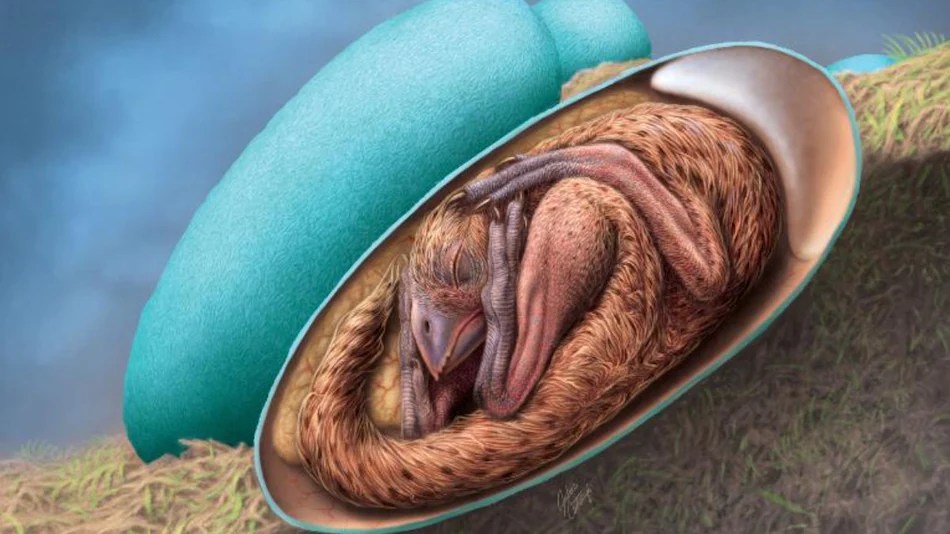
Paleontologists have found a never-seen-before fossil of a complete baby dinosaur curled up inside its egg. The fossil showed the remarkable similarities between theropod dinosaurs and the birds they would evolve into, according to a new study. The 70-million-year-old fossilised embryo has been named “Baby Yingliang” after the museum in China which houses it. The embryo is curled up inside its 6-inch elongated eggshell. At this stage, the embryo looks like that of a modern bird, but it has small arms and claws rather than wings.
The egg is about 17cm long and the baby dinosaur curled inside it is estimated to have a length of 27cm from head to tail. Researchers said had it lived, it would have grown as an adult of about 2m to 3m long. Finding embryonic dinosaur fossils are extremely rare, with such discoveries being limited to only about half a dozen sites. And, this is the first time any of them has shown signs of “tucking,” a distinctive posture usually followed by baby birds during hatching when the head is under the right arm, paleontologists said.
The findings have been published in the iScience journal this week. Study co-author Darla Zelenitsky said baby dinosaur bones are small and fragile and are only very rarely preserved as fossils, making this a very lucky find. “It is an amazing specimen. I have been working on dinosaur eggs for 25 years and have yet to see anything like it,” added Zelenitsky in an email to CNN
The strain first discovered at the end of November appears to be less severe and even patients who do end up in the hospital spend less time there, John Bell, regius professor of medicine at Oxford, said on BBC Radio 4’s Today program.
The omicron variant that’s taking the world by storm is not “the same disease we were seeing a year ago,” a University of Oxford immunologist said, reinforcing reports about the strain’s milder nature.
The strain first discovered at the end of November appears to be less severe and even patients who do end up in the hospital spend less time there, John Bell, regius professor of medicine at Oxford, said on BBC Radio 4’s Today program.
“The horrific scenes that we saw a year ago — intensive care units being full, lots of people dying prematurely — that is now history in my view, and I think we should be reassured that that’s likely to continue,” Bell said.
Bell’s comments came after the U.K. government said it wouldn’t introduce stricter Covid-19 restrictions in England before the end of the year.
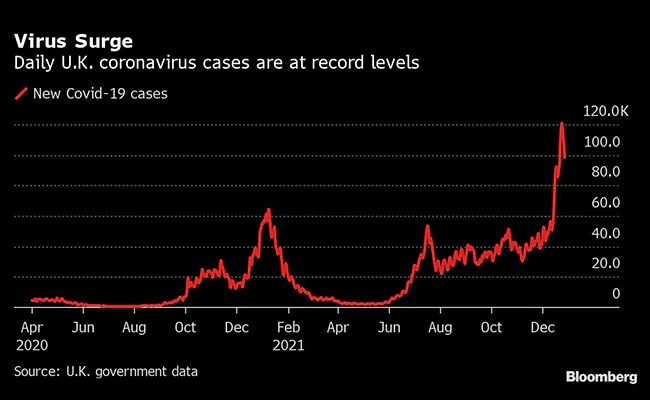
Infections have jumped by more than a quarter of a million in the past week, heaping pressure on Prime Minister Boris Johnson to respond. Health Secretary Sajid Javid late Monday said he’s monitoring the latest data and urged people to be careful, particularly at New Year celebrations.






 BIOLOGY, ENVIRONMENT & MORE
