Categories
Biology human body Uncategorized

AI breakthrough could spark medical revolution

There are around 20,000 of these proteins expressed by the human genome. Collectively, biologists refer to this full complement as the “proteome”.

Commenting on the results from AlphaFold, Dr Demis Hassabis, chief executive and co-founder of artificial intelligence company Deep Mind, said: “We believe it’s the most complete and accurate picture of the human proteome to date.

“We believe this work represents the most significant contribution AI has made to advancing the state of scientific knowledge to date.

“And I think it’s a great illustration and example of the kind of benefits AI can bring to society.” He added: “We’re just so excited to see what the community is going to do with this.”

Proteins are made up of chains of smaller building blocks called amino acids. These chains fold in myriad different ways, forming a unique 3D shape. A protein’s shape determines its function in the human body.

The 350,000 protein structures predicted by AlphaFold include not only the 20,000 contained in the human proteome, but also those of so-called model organisms used in scientific research, such as E. coli, yeast, the fruit fly and the mouse.

This giant leap in capability is described by DeepMind researchers and a team from the European Molecular Biology Laboratory (EMBL) in the prestigious journal Nature.

AlphaFold was able to make a confident prediction of the structural positions for 58% of the amino acids in the human proteome.

The positions of 35.7% were predicted with a very high degree of confidence – double the number confirmed by experiments.

Traditional techniques to work out protein structures include X-ray crystallography, cryogenic electron microscopy (Cryo-EM) and others. But none of these is easy to do: “It takes a huge amount of money and resources to do structures,” Prof John McGeehan, a structural biologist at the University of Portsmouth, told BBC News.

Therefore, the 3D shapes are often determined as part of targeted scientific investigations, but no project until now had systematically determined structures for all the proteins made by the body.

In fact, just 17% of the proteome is covered by a structure confirmed experimentally.

Commenting on the predictions from AlphaFold, Prof McGeehan said: “It’s just the speed – the fact that it was taking us six months per structure and now it takes a couple of minutes. We couldn’t really have predicted that would happen so fast.”

“When we first sent our seven sequences to the DeepMind team, two of those we already had the experimental structures for. So we were able to test those when they came back. It was one of those moments – to be honest – where the hairs stood up on the back of my neck because the structures [AlphaFold] produced were identical.”

Prof Edith Heard, from EMBL, said: “This will be transformative for our understanding of how life works. That’s because proteins represent the fundamental building blocks from which living organisms are made.”

“The applications are limited only by our understanding.”

Those applications we can envisage now include developing new drugs and treatments for disease, designing future crops that can resist climate change, and enzymes that can break down the plastic that pervades the environment.

Prof McGeehan’s group is already using AlphaFold’s data to help develop faster enzymes for degrading plastic. He said the program had provided predictions for proteins of interest whose structures could not be determined experimentally – helping accelerate their project by “multiple years”.

Dr Ewan Birney, director of EMBL’s European Bioinformatics Institute, said the AlphaFold predicted structures were “one of the most important datasets since the mapping of the human genome”.

DeepMind has teamed up with EMBL to make the AlphaFold code and protein structure predictions openly available to the global scientific community.

Dr Hassabis said DeepMind planned to vastly expand the coverage in the database to almost every sequenced protein known to science – over 100 million structures.


Researchers Create High-Stringency Blueprint of Human Proteome | Genetics |  Sci-News.com
Categories
Biology environment Uncategorized

What Happens to Marine Life When There Isn’t Enough Oxygen?

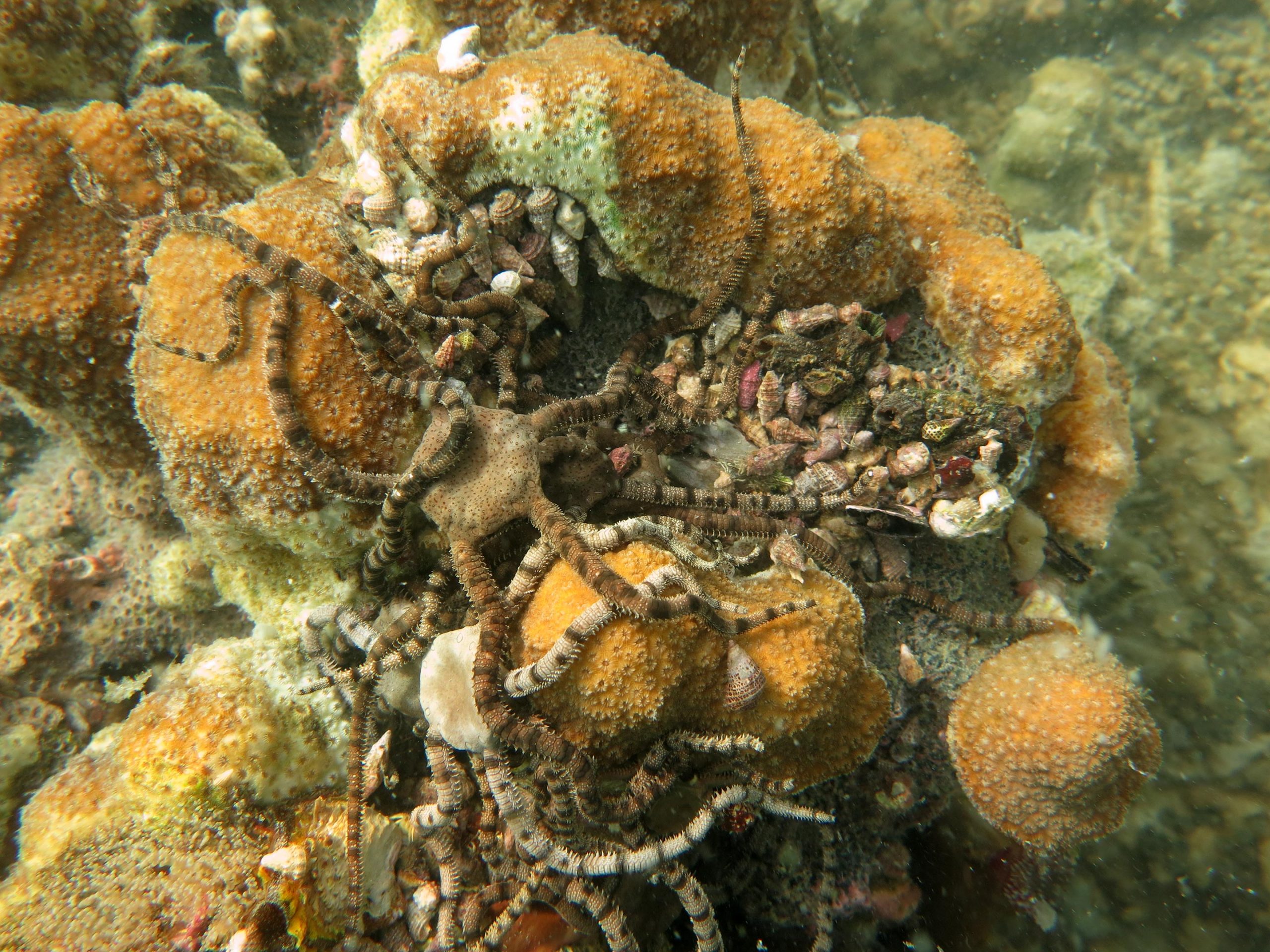
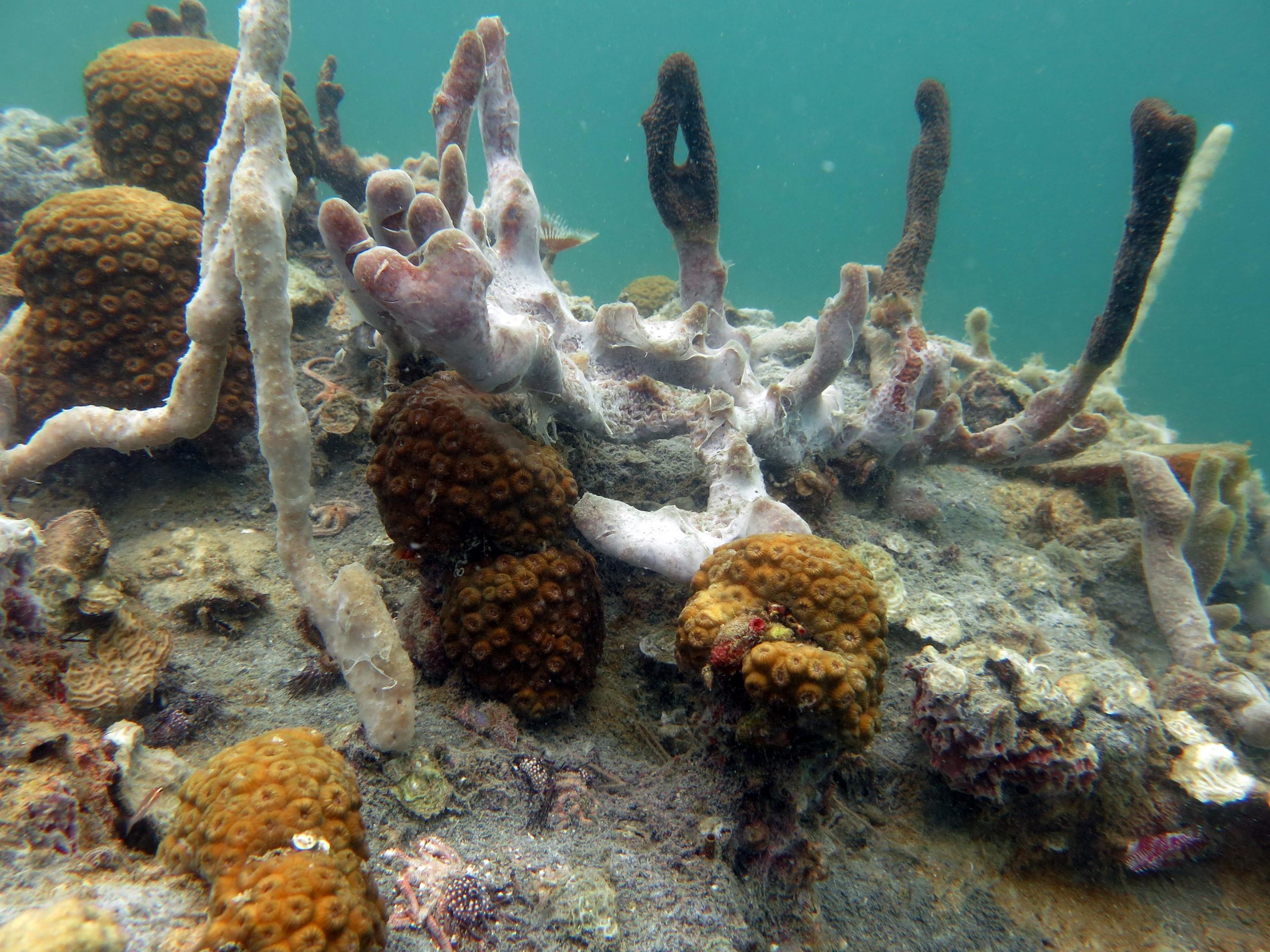
Hypoxic ocean waters are those that have little to no oxygen. These conditions can impact both coral reef and microbial communities, such as the one pictured beneath the sea surface here. This is a view of the surface waters off the coast of a Bocos del Toro island. Credit: Maggie Johnson © Woods Hole Oceanographic Institution

In September of 2017, Woods Hole Oceanographic Institution postdoctoral scholar Maggie Johnson was conducting an experiment with a colleague in Bocas del Toro off the Caribbean coast of Panama. After sitting on a quiet, warm open ocean, they snorkeled down to find a peculiar layer of murky, foul-smelling water about 10 feet below the surface, with brittle stars and sea urchins, which are usually in hiding, perching on the tops of coral.

This unique observation prompted a collaborative study explained in a new paper published on July 26, 2021, in Nature Communications analyzing what this foggy water layer is caused by, and the impact it has on life at the bottom of the seafloor.

“What we’re seeing are hypoxic ocean waters, meaning there is little to no oxygen in that area. All of the macro-organisms are trying to get away from this deoxygenated water, and those that cannot escape essentially suffocate. I have never seen anything like that on a coral reef,” said Johnson.

The study looks closely at the changes occurring in both coral reef and microbial communities near Bocas del Toro during sudden hypoxic events. When water drops below 2.8mg of oxygen per liter, it becomes hypoxic. More than 10% of coral reefs around the world are at high risk for hypoxia (Altieri et al. 2017- tropical dead zones and mass mortalities on coral reefs).

There is a combination of stagnant water from low wind activity, warm water temperatures, and nutrient pollution from nearby plantations, which contributes to a stratification of the water column. From this, we see these hypoxic conditions form that start to expand and infringe on nearby shallow habitats,” explained Johnson.

Investigators suggest that loss of oxygen in the global ocean is accelerating due to climate change and excess nutrients, but how sudden deoxygenation events affect tropical marine ecosystems is poorly understood. Past research shows that rising temperatures can lead to physical alterations in coral, such as bleaching, which occurs when corals are stressed and expel algae that live within their tissues. If conditions don’t improve, the bleached corals then die. However, the real-time changes caused by decreasing oxygen levels in the tropics have seldom been observed.

Investigators reported coral bleaching and mass mortality due to this occurrence, causing a 50% loss of live coral, which did not show signs of recovery until a year after the event, and a drastic shift in the seafloor community. The shallowest measurement with hypoxic waters was about 9 feet deep and about 30 feet from the Bocas del Toro shore.

What about the 50% of coral that survived? Johnson and her fellow investigators found that the coral community they observed in Bocas del Toro is dynamic, and some corals have the potential to withstand these conditions. This discovery sets the stage for future research to identify which coral genotypes or species have adapted to rapidly changing environments and the characteristics that help them thrive.

Investigators also observed that the microorganisms living in the reefs restored to a normal state within a month, as opposed to the macro-organisms, like the brittle stars, who perished in these conditions. By collecting sea water samples and analyzing microbial DNA, they were able to conclude that these microbes did not necessarily adjust to their environment, but rather were “waiting” for their time to shine in these low-oxygen conditions.

Investigators also observed that the microorganisms living in the reefs restored to a normal state within a month, as opposed to the macro-organisms, like the brittle stars, who perished in these conditions. By collecting sea water samples and analyzing microbial DNA, they were able to conclude that these microbes did not necessarily adjust to their environment, but rather were “waiting” for their time to shine in these low-oxygen conditions.

“The take home message here is that you have a community of microbes; it has a particular composition and plugs along, then suddenly, all of the oxygen is removed, and you get a replacement of community members. They flourish for a while, and eventually hypoxia goes away, oxygen comes back, and that community rapidly shifts back to what it was before due to the change in resources. This is very much in contrast to what you see with macro-organisms,” said Jarrod Scott, paper co-author and postdoctoral fellow at the Smithsonian Tropical Research Institute in the Republic of Panama.

Scott and Johnson agree that human activity can contribute to the nutrient pollution and warming waters which then lead to hypoxic ocean conditions. Activities such as coastal land development and farming can be better managed and improved, which will reduce the likelihood of deoxygenation events occurring.

The study provides insight to the fate of microbe communities on a coral reef during an acute deoxygenation event. Reef microbes respond rapidly to changes in physicochemical conditions, providing reliable indications of both physical and biological processes in nature.

The shift the team detected from the hypoxic microbial community to a normal condition community after the event subsided suggests that the recovery route of reef microbes is independent and decoupled from the benthic macro-organisms. This may facilitate the restart of key microbial processes that influence the recovery of other aspects of the reef community.

Brittle sea stars, which usually are in hiding, perch on top of andcoral to attempt to escape from hypoxic ocean waters, which have little to no oxygen in that area. Sadly, those that cannot escape essentially suffocate. Credit: Maggie Johnson © Woods Hole Oceanographic Institution

A sea sponge after a hypoxic event occurs. Hypoxic waters are those with little to no oxygen. It has lasting impacts on marine life at the seafloor of shallow, tropical waters, like this (species name), as well as coral and macro-organisms like urchins. Credit: Maggie Johnson © Woods Hole Oceanographic Institution

Categories
Biology human body Uncategorized

Studies uncover details of ‘exhausted’ immune cells in patients with chronic infections

Chronic viral infections and cancer can cause “killer” T cells in the immune system to take on a state of dysfunction or exhaustion whereby they can no longer react to infectious invaders or abnormal cells like normal “memory” T cells. Two new studies led by investigators at Massachusetts General Hospital (MGH) and published in Nature Immunology provide insights into T cell exhaustion, which could lead to potential strategies to overcome it.

One study, which was led by Georg M. Lauer, MD, PhD, of the Division of Gastroenterology at MGH, focused on differences between memory and exhausted T cells in individuals with human hepatitis C virus (HCV) infection before and after treatment. After patients were treated and cured, their exhausted T cells tended to take on some properties of memory T cells but did not function as well as memory T cells.

“We saw some cosmetic improvement of the T cells that in a more superficial study could have been interpreted as real recovery, whereas in reality the key parameters determining the efficacy of a T cell were unchanged,” says Lauer. “A significant number of molecules that were altered were normalized after treatment, but others were stuck, and these were clearly the ones associated with T cell function.” This lack of recovery was especially prominent with a long duration of T cell stimulation by the virus; a shorter stimulation allowed the cells to revert to functional memory T cells.

“We are currently studying whether treating HCV with direct acting antiviral therapy in the acute phase of infection, instead of many years later, will result in full memory differentiation of T cells. If correct, this could indicate a short window of opportunity early during chronic infections to protect T cell function,” says Lauer.

Also, the molecules that the researchers found to be expressed in severely exhausted T cells might be targeted to rescue these cells.

A complementary study in the same issue of Nature Immunology that was led by Debattama Sen, PhD, at the Center for Cancer Research at MGH, and W. Nicholas Haining, BM, BCh, at Merck found that these exhausted T cells in chronic HCV infection were regulated epigenetically, or through physical changes in the cells’ chromosomes that affect the expression of genes. The investigators discovered that after clearing the virus, the epigenetic landscape of exhausted T cells was partially remodeled, but maintained many exhaustion-specific alterations, which the authors termed “epigenetic scars.” The epigenetic patterns paralleled the findings of the first paper on the protein and transcriptional level, indicating a key role for epigenetic control in determining the fate of the T cells. “These scars might be locking the exhausted T cells and preventing return to proper function even if the chronic infection in the patient is cured,” notes Sen. “Thus, restoring the function of these cells will likely require directly removing or inactivating these scarred regions to unlock the cells’ functionality.”

By comparing T cell responses across a range of viruses that are either effectively cleared (like influenza) or become chronic (like HCV and HIV), the scientists produced a map of where these exhaustion-specific scars occur. “This will enable precision editing and allow us to target the specific regions relevant to exhausted T cells and minimize off-target effects in other T cell populations,” says Sen.

The two studies were performed within an NIH/NIAID-funded U19 Cooperative Center on Human Immunology (CCHI) located at MGH. A third study on exhausted T cells, which was conducted by MGH CCHI investigators at the University of Pennsylvania, accompanies these two articles in Nature Immunology. A News & Views article in the journal provides additional perspectives on the implications of the studies’ findings.

exhausted immune cells in patients with chronic infections

Categories
Biology human body Uncategorized

Scientists Devise Technique to Stop Cells from Aging, Reduce Chances of Cancer

Cells inside our body keep dividing regularly, as is the scheme of the nature. However, if the division fails to take place, the cells will eventually die, leading to the chance of developing age-related diseases as well as cancer.

There are stretches of Deoxy Ribonucleic Acid (DNA) called telomeres present at the ends of chromosomes like protective caps. During cell division, these telomeres become shorter which makes the productivity of the protective cap less effective. Hence, the telomeres need to be checked upon regularly and elongated because if these DNA components get too short, the cell will stop dividing and move towards cell aging.

Scientists have studied what helps the telomeres to function properly and have found that a RNA species called TElomeric Repeat-containing RNA (TERRA) helps to work like the maintenance mechanic for telomeres. These get recruited at sites where telomeres need regulation and send a signal indicating that the telomeres need to be elongated or repaired. Which form of a system sends TERRA to the chromosome end is not known.

TERRA are a type of molecules called the non-coding RNAs, which do not get translated into proteins but instead function as chromosomes’ structural components. To study how these were getting assigned to places and remaining there, scientists visualized TERRA molecules under a microscope and found that a short stretch of the ribonucleic acid (RNA) was instrumental to bring it to the telomeres.

Now once TERRA has reached its required location, several proteins regulate its association with telomeres. Here, a protein called RAD51 plays a crucial role. Scientists from Ecole Polytechnique Fédérale de Lausanne and Masaryk University found that RAD51 was helping TERRA stick to telomeric DNA to form a so-called RNA-DNA hybrid molecule.

This sort of hybrid molecule formation has been previously detected only in the case of DNA repair. To witness it taking place during telomere repair is revolutionary.

FREEZE THE AGEING PROCESS
Categories
environment Uncategorized

Feeding cattle seaweed reduces their greenhouse gas emissions 82 percent

A bit of seaweed in cattle feed could reduce methane emissions from beef cattle as much as 82 percent, according to new findings from researchers at the University of California, Davis. The results, published today in the journal PLOS ONE, could pave the way for the sustainable production of livestock throughout the world.

“We now have sound evidence that seaweed in cattle diet is effective at reducing greenhouse gases and that the efficacy does not diminish over time,” said Ermias Kebreab, professor and Sesnon Endowed Chair of the Department of Animal Science and director of the World Food Center. Kebreab conducted the study along with his Ph.D. graduate student Breanna Roque.

“This could help farmers sustainably produce the beef and dairy products we need to feed the world,” Roque added.

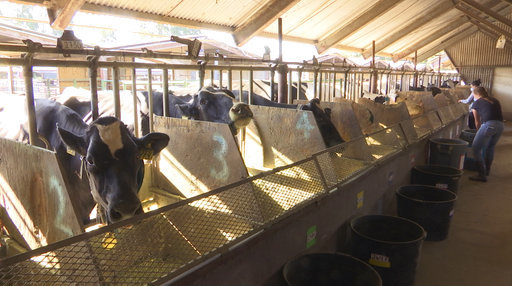
Over the course of five months last summer, Kebreab and Roque added scant amounts of seaweed to the diet of 21 beef cattle and tracked their weight gain and methane emissions. Cattle that consumed doses of about 80 grams (3 ounces) of seaweed gained as much weight as their herd mates while burping out 82 percent less methane into the atmosphere. Kebreab and Roque are building on their earlier work with dairy cattle, which was the world’s first experiment reported that used seaweed in cattle.

Less gassy, more sustainable

Greenhouse gases are a major cause of climate change, and methane is a potent greenhouse gas. Agriculture is responsible for 10 percent of greenhouse gas emissions in the U.S., and half of those come from cows and other ruminant animals that belch methane and other gases throughout the day as they digest forages like grass and hay.

Since cattle are the top agricultural source of greenhouse gases, many have suggested people eat less meat to help address climate change. Kebreab looks to cattle nutrition instead.

“Only a tiny fraction of the earth is fit for crop production,” Kebreab explained. “Much more land is suitable only for grazing, so livestock plays a vital role in feeding the 10 billion people who will soon inhabit the planet. Since much of livestock’s methane emissions come from the animal itself, nutrition plays a big role in finding solutions.”

In 2018, Kebreab and Roque were able to reduce methane emissions from dairy cows by over 50 percent by supplementing their diet with seaweed for two weeks. The seaweed inhibits an enzyme in the cow’s digestive system that contributes to methane production.

In the new study, Kebreab and Roque tested whether those reductions were sustainable over time by feeding cows a touch of seaweed every day for five months, from the time they were young on the range through their later days on the feed lot.

Four times a day, the cows ate a snack from an open-air contraption that measured the methane in their breath. The results were clear. Cattle that consumed seaweed emitted much less methane, and there was no drop-off in efficacy over time.

Next steps

Results from a taste-test panel found no differences in the flavor of the beef from seaweed-fed steers compared with a control group. Similar tests with dairy cattle showed that seaweed had no impact on the taste of milk.

Also, scientists are studying ways to farm the type of seaweed—Asparagopsis taxiformis—that Kebreab’s team used in the tests. There is not enough of it in the wild for broad application.

Another challenge: How do ranchers provide seaweed supplements to grazing cattle on the open range? That’s the subject of Kebreab’s next study.

Kebreab and Roque collaborated with a federal scientific agency in Australia called the Commonwealth Scientific and Industrial Research Organization, James Cook University in Australia, Meat and Livestock Australia, and Blue Ocean Barns, a startup company that sources, processes, markets and certifies seaweed-based additives to cattle feed. Kebreab is a scientific adviser to Blue Ocean Barns.

“There is more work to be done, but we are very encouraged by these results,” Roque said. “We now have a clear answer to the question of whether seaweed supplements can sustainably reduce livestock methane emissions and its long term effectiveness.”

Categories
Uncategorized

DONATE FOR A CAUSE!!

Hi, I am Tarishi Parmar,
Supporting India For the Cause of Sanitation.

https://www.crowdkash.com/campaign/994/support-tarishi-parmar-s-campaign-to-provide-sanitary-pads-to-underprivileged-to-5000-girls-women-in-15-states-2-ut

Women and girls from low-income backgrounds have been facing a massive menstrual hygiene crisis due to the pandemic. The only source of sanitary napkins for most school-going girls was from government schemes that supply them through government schools, which remain closed amidst the lockdown. Similarly, minimum wage daily labourers women/migrants workers and those from poor homes are unable to afford sanitary napkins as they suddenly have no or very less income. This leads to them using unhygienic methods like paper, rags, etc. This leads to UTIs and other health problems.

Our aim is to provide immediate relief for menstrual health issues faced by women who are from low-income groups, in collaboration with the Live To Inspire, through the distribution of sanitary napkins. They are also educated about the best menstrual hygiene practices.

COVID-19 has impacted millions of people. The worst-hit are the poor, migrants, and daily wage workers. There has been a surge in cases & the situation will only get worse before it gets better. For girls and women from financially weak backgrounds, the issue is compounded by the inaccessibility of menstrual hygiene measures. While we take menstrual hygiene for granted, it is a luxury for them.
The cost of this hygiene kit (including distributing it) is just INR 15 per month per girl. I request all of you to support my campaign so that we can also contribute to their well-being in our own small little way. Let’s come together and do our bit.


About Live to Inspire

It is a consortium of change where youth activists, social organizations, corporates & influencers work under one vision for one development.
The 193 countries of the UN General Assembly adopted the Vision 2030 Development Agenda titled “Transforming our world: the 2030 Agenda for Sustainable Development”, on 25th September 2015. The Sustainable Development Goals (SDGs) are indispensable 17 global goals set by the United Nations in 2015. 

Live to Inspire have taken an initiative to make an independent autonomous Public Interest Foundation named “UNITED FIRST” where they undertake individual responsibility for each cause mentioned under Sustainable Development Goals 2030 by the United Nations. It would be a consortium comprising of Industry Leaders, NGOs, Youth Leaders, and Noble Personalities who will work alongside the Governors of each State in India respectively.
Working on the vision of the 17th SDG of developing partnerships, they are here to create an impact by connecting government, NGO’s and private sectors to achieve common goals addressing both macro as well as micro-level social issues.

EVEN THE SMALLEST DONATION CAN MAKE THE BIGGEST CHANGE!!

Categories
Uncategorized

The Journey Begins

Thanks for joining me!

Good company in a journey makes the way seem shorter. — Izaak Walton

post

Design a site like this with WordPress.com
Get started