Categories
environment

World’s wealthiest ‘at heart of climate problem’

The world’s wealthy must radically change their lifestyles to tackle climate change, a report says.

It says the world’s wealthiest 1% produce double the combined carbon emissions of the poorest 50%, according to the UN.

The wealthiest 5% alone – the so-called “polluter elite” – contributed 37% of emissions growth between 1990 and 2015.

The authors want to deter SUV drivers and frequent fliers – and persuade the wealthy to insulate their homes well.

The report urges the UK government to reverse its decision to scrap air passenger duty on UK return flights.

And it wants ministers to re-instate the Green Homes Grant scheme they also scrapped recently.

  • The document has come from the UK-based Cambridge Sustainability Commission on Scaling Behaviour Change.

It’s a panel of 31 individuals who study people’s behaviour relating to the environment. They were tasked to find the most effective way of scaling up action to tackle carbon emissions.

Their critics say the best way to cut emissions faster is through technological improvements – not through measures that would prove unpopular.

But the lead author of the report, Prof Peter Newell, from Sussex University, told BBC News: “We are totally in favour of technology improvements and more efficient products – but it’s clear that more drastic action is needed because emissions keep going up.

“We have got to cut over-consumption and the best place to start is over-consumption among the polluting elites who contribute by far more than their share of carbon emissions.

“These are people who fly most, drive the biggest cars most and live in the biggest homes which they can easily afford to heat, so they tend not to worry if they’re well insulated or not.

“They’re also the sort of people who could really afford good insulation and solar panels if they wanted to.”

Prof Newell said that to tackle climate change, everyone needs to feel part of a collective effort – so that means the rich consuming less to set an example to poorer people.

He continued: “Rich people who fly a lot may think they can offset their emissions by tree-planting schemes or projects to capture carbon from the air. But these schemes are highly contentious and they’re not proven over time.

The wealthy, he said, “simply must fly less and drive less. Even if they own an electric SUV that’s still a drain on the energy system and all the emissions created making the vehicle in the first place”.

Sam Hall, from the Conservative Environment Network, told BBC News: “It’s right to emphasise the importance of fairness in delivering (emissions cuts) – and policy could make it easier for people and businesses to go green – through incentives, targeted regulation and nudges.

“But encouraging clean technologies is likely to be more effective, and more likely to enjoy public consent, than hefty penalties or lifestyle restrictions.”

But Prof Newell said existing political structures allowed wealthy firms and individuals to lobby against necessary changes in society that might erode the lifestyles of the rich.

The recent report of the UK Climate Assembly, for example, proposed a series of measures targeting carbon-intensive behaviours such as shifting away from meat and dairy produce; banning the most polluting SUVs; and imposing frequent flyer levies.

The Treasury told BBC News that a frequent flyer levy might require the government to collect and store personal information on each passenger.

This could raise issues of data processing, handling and privacy issues. It would also be hard to keep track of people with multiple passports.

But the commission’s report said: “The goals of the Paris Agreement on climate change cannot be achieved without radical changes to lifestyles and shifts in behaviour, especially among the wealthiest members of society.

“If change across society is to be brought about at the speed and scale required to meet agreed climate targets, we need to shrink and share: reduce carbon budgets and share more equally.”

The report is the latest in a long-running dialogue over what it means to be “fair” while tackling climate change.

Poorer nations such as India have consistently argued that they should be allowed to increase their pollution because it’s so much lower per person than emissions from rich nations.

The issue forms part of the tangled tapestry of negotiations behind next week’s climate summit organised by President Biden and the COP climate summit in the UK scheduled for November.

Wealthy people :  Heart of climate problem
Categories
environment Uncategorized

Feeding cattle seaweed reduces their greenhouse gas emissions 82 percent

A bit of seaweed in cattle feed could reduce methane emissions from beef cattle as much as 82 percent, according to new findings from researchers at the University of California, Davis. The results, published today in the journal PLOS ONE, could pave the way for the sustainable production of livestock throughout the world.

“We now have sound evidence that seaweed in cattle diet is effective at reducing greenhouse gases and that the efficacy does not diminish over time,” said Ermias Kebreab, professor and Sesnon Endowed Chair of the Department of Animal Science and director of the World Food Center. Kebreab conducted the study along with his Ph.D. graduate student Breanna Roque.

“This could help farmers sustainably produce the beef and dairy products we need to feed the world,” Roque added.

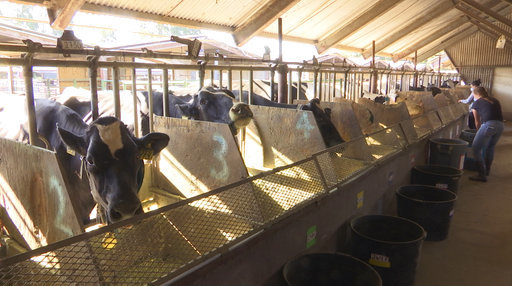
Over the course of five months last summer, Kebreab and Roque added scant amounts of seaweed to the diet of 21 beef cattle and tracked their weight gain and methane emissions. Cattle that consumed doses of about 80 grams (3 ounces) of seaweed gained as much weight as their herd mates while burping out 82 percent less methane into the atmosphere. Kebreab and Roque are building on their earlier work with dairy cattle, which was the world’s first experiment reported that used seaweed in cattle.

Less gassy, more sustainable

Greenhouse gases are a major cause of climate change, and methane is a potent greenhouse gas. Agriculture is responsible for 10 percent of greenhouse gas emissions in the U.S., and half of those come from cows and other ruminant animals that belch methane and other gases throughout the day as they digest forages like grass and hay.

Since cattle are the top agricultural source of greenhouse gases, many have suggested people eat less meat to help address climate change. Kebreab looks to cattle nutrition instead.

“Only a tiny fraction of the earth is fit for crop production,” Kebreab explained. “Much more land is suitable only for grazing, so livestock plays a vital role in feeding the 10 billion people who will soon inhabit the planet. Since much of livestock’s methane emissions come from the animal itself, nutrition plays a big role in finding solutions.”

In 2018, Kebreab and Roque were able to reduce methane emissions from dairy cows by over 50 percent by supplementing their diet with seaweed for two weeks. The seaweed inhibits an enzyme in the cow’s digestive system that contributes to methane production.

In the new study, Kebreab and Roque tested whether those reductions were sustainable over time by feeding cows a touch of seaweed every day for five months, from the time they were young on the range through their later days on the feed lot.

Four times a day, the cows ate a snack from an open-air contraption that measured the methane in their breath. The results were clear. Cattle that consumed seaweed emitted much less methane, and there was no drop-off in efficacy over time.

Next steps

Results from a taste-test panel found no differences in the flavor of the beef from seaweed-fed steers compared with a control group. Similar tests with dairy cattle showed that seaweed had no impact on the taste of milk.

Also, scientists are studying ways to farm the type of seaweed—Asparagopsis taxiformis—that Kebreab’s team used in the tests. There is not enough of it in the wild for broad application.

Another challenge: How do ranchers provide seaweed supplements to grazing cattle on the open range? That’s the subject of Kebreab’s next study.

Kebreab and Roque collaborated with a federal scientific agency in Australia called the Commonwealth Scientific and Industrial Research Organization, James Cook University in Australia, Meat and Livestock Australia, and Blue Ocean Barns, a startup company that sources, processes, markets and certifies seaweed-based additives to cattle feed. Kebreab is a scientific adviser to Blue Ocean Barns.

“There is more work to be done, but we are very encouraged by these results,” Roque said. “We now have a clear answer to the question of whether seaweed supplements can sustainably reduce livestock methane emissions and its long term effectiveness.”

Categories
environment

Animals fake death! Why??

A recent study by researchers from the University of Bristol has found that many animals fake death to try to escape their predators. With some individuals in prey species remaining motionless, if in danger, for extended lengths of time.

The study was published today in the science journal Biology Letters.

Charles Darwin recorded a beetle that remained stationary for 23 minutes – however, the University of Bristol has documented individual antlion larvae pretending to be dead for an astonishing 61 minutes.

Of equal importance, the amount of time that an individual remains motionless is not only long but unpredictable. This means that a predator will be unable to predict when a potential prey item will move again, attract attention, and become a meal.

Predators are hungry and cannot wait indefinitely. Similarly, prey may be losing opportunities to get on with their lives if they remain motionless for too long. Thus, death-feigning might best be thought of as part of a deadly game of hiding and seek in which prey might gain most by feigning death if alternative victims are readily available.

The study involved evaluating the benefits of death-feigning in terms of a predator visiting small populations of conspicuous prey. Researchers used computer simulations that utilise the marginal value theorem, a classical model in optimization.

The lead author of the paper Professor Nigel R. Franks from the University of Bristol’s School of Biological Sciences said: “Imagine you are in a garden full of identical soft fruit bushes. You go to the first bush. Initially collecting and consuming fruit is fast and easy, but as you strip the bush finding more fruit gets harder and harder and more time-consuming.

“At some stage, you should decide to go to another bush and begin again. You are greedy and you want to eat as many fruits as quickly as possible. The marginal value theorem would tell you how long to spend at each bush given that time will also be lost moving to the next bush.

“We use this approach to consider a small bird visiting patches of conspicuous antlion pits and show that antlion larvae that waste some of the predator’s time, by ‘playing dead’ if they are dropped, change the game significantly. In a sense, they encourage the predator to search elsewhere.”

The modelling suggests that antlion larvae would not gain significantly if they remained motionless for even longer than they actually do. This suggests that in this arms race between predators and prey, death-feigning has been prolonged to such an extent that it can hardly be bettered.

Professor Franks added: “Thus, playing dead is rather like a conjuring trick. Magicians distract an audience from seeing their sleights of hand by encouraging them to look elsewhere. Just so with the antlion larvae playing dead – the predator looks elsewhere. Playing dead seems to be a very good way to stay alive.”

Categories
environment

ARE AGEING DAMS TICKING TIME BOMBS??

Thousands Of Ageing Dams In India A Growing Threat: UN Report

By 2050, more than half the global population will live downstream from tens of thousands of large dams near or past their intended lifespan, according to a UN report released Friday.

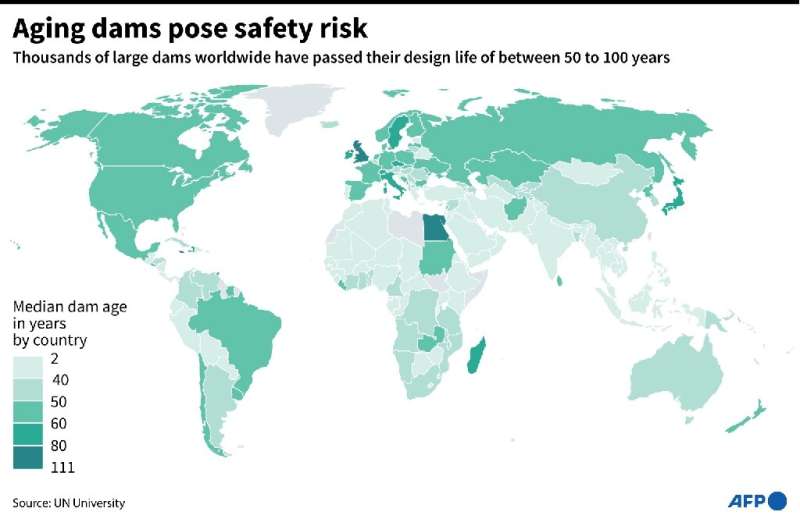
Most of the world’s nearly 59,000 big dams—constructed between 1930 and 1970—were designed to last 50 to 100 years, according to research from the UN University’s Institute for Water, Environment and Health.

“This is an emerging global risk that we are not yet paying attention to,” co-author and Institute director Vladimir Smakhtin told AFP.

“In terms of dams at risk, the number is growing year by year, decade by decade.”

A well-designed, constructed and maintained dam can easily remain functional for a century.

But many of the world’s major dams fail on one or more of these criteria.

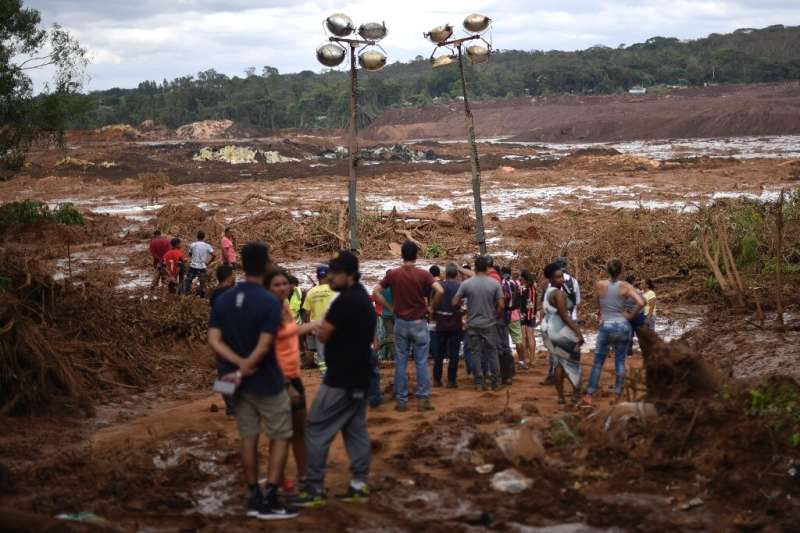
Dozens have suffered major damage or outright collapse over the last two decades in the United States, India, Brazil, Afghanistan and other countries, and the number of such failures could increase, the report warned.

Compounding the risk in ways that have yet to be fully measured is global warming.

“Because of climate change, extreme rainfall and flooding events are becoming more frequent,” lead author Duminda Perera, a researcher at the University of Ottawa and McMaster University, said in an interview.

This not only increases the risk of reservoirs overflowing but also accelerates the build up of sediment, which affects dam safety, reduces water storage capacity, and lowers energy production in hydroelectric dams.

A well-designed, constructed and maintained dam can easily remain functional for a century, but many of the world's major dams f
A well-designed, constructed and maintained dam can easily remain functional for a century, but many of the world’s major dams fail on one or more of these criteria.

‘Catastrophic consequences’

In February 2017, the spillways of California’s Oroville Dam—the tallest in the US—were damaged during heavy rainfall, prompting the emergency evacuation of more than 180,000 people downstream.

In 2019, record flooding sparked concern that Mosul Dam, Iraq’s largest, could fail.

Ageing dams not only pose a greater risk to downstream populations, but also become less efficient at generating electricity, and far more expensive to maintain.

Because the number of large dams under construction or planned has dropped sharply since the 1960s and 1970s, these problems will multiply in coming years.

“There won’t be another dam-building revolution, so the average age of dams is getting older,” said Perera.

“Due to new energy sources coming online—solar, wind—a lot of planned hydroelectric dams will probably not ever be built.”

A global fleet of nearly 60,000 ageing dams also highlights the challenge of dismantling—or “decommissioning”—those that are no longer safe or functional.

Dozens of large dams worldwide have suffered major damage or outright collapse over the last two decades

More than 150 years old

Several dozen have been torn down in the United States, but all of them small, Smakhtin said.

More than 90 percent of large dams—at least 15 metres from foundation to crest, or holding back no less than three million cubic metres of water—are located in only two dozen countries.

China alone is home to 40 percent of them, with another 15 percent in India, Japan and Korea combined. More than half will be older than 50 within a few years.

Another 16 percent of the world’s dams are in the United States, more than 85 percent of them already operating at or past their life expectancy.

It would cost some $64 billion to refurbish them, according to one estimate.

In India, 64 big dams will be at least 150 years old by 2050. In North America and Asia, there are some 2,300 operational dams at least 100 years old.

Worldwide, there is about 7,500 cubic kilometres of water—enough to submerge most of Canada by a metre—stored behind large dams.

Categories
environment

Fight over Biodegradable Plastics

There’s a spat between tech companies trying to develop a new generation of plastics that biodegrade harmlessly without leaving a trace and skeptics worried that such novel substances won’t live up to their promise and will worsen the plastic waste problem.

The companies are calling for more time to perfect their inventions — which they say differ from earlier efforts to make cleaner plastics — while environmental campaigners demand even firmer regulatory action to get rid of plastic garbage. Firms are also battling against the image problem of an earlier generation of innovative biodegradable plastics that experts say haven’t lived up to the hype.

“The popular understanding of biodegradability is based on legacy solutions such as oxodegradable plastic, many of which unfortunately don’t work,” said Niall Dunne, the CEO of British firm Polymateria, adding that the “landscape has moved on significantly yet outdated perceptions remain.” 

Polymateria has developed a process, called biotransformation, to produce plastic products it says decompose harmlessly when littered.

It involves mixing bio-transformation chemicals with normal plastics to create food and drink packaging, bubble wrap, fruit nets, plastic bags and the like. The technology helped to define a new British standard for biodegradability.

“The role of innovation is consistently underestimated when solving complex global issues, including climate change and plastic pollution,” Dunne said.

But potential innovations like that are facing headwinds.

An expert study, published last week, found that a lack of standards and reliable certification schemes for biodegradable plastics — and, in some cases, misleading labeling — confuses consumers and can “exacerbate” environmental pollution.

The biggest problem, according to the report from the Science Advice for Policy by European Academies, is that while biodegradables can break down under ideal conditions they have a much tougher time doing so in a natural environment like deep in a landfill or on a beach.

Polymateria is tackling those issues. Although it can be recycled in the normal way, its new plastic will decompose into a wax or grease-like substance in a matter of months when exposed to sunlight, air and water. Bacteria and fungi will digest the wax, breaking it down into carbon dioxide, water and more microbes. Most importantly, there are no microplastics left behind.

For now the additives only work when added to the most littered type of plastics — polyolefins, which include polyethylene (plastic bags and packaging) and polypropylene (plastic cups and cutlery, bottle caps and containers).

In lab tests that mimic ambient real-world conditions, “there’s nothing left of polyethylene waxes in 226 days and the polypropylene waxes disappear in 336 days,” said Dunne. 

The plan is to stamp a “recycle by” date on each piece of plastic to show consumers that they have a deadline to dispose of them responsibly in the recycling system before they start breaking down. 

The technology is currently being tested in a handful of countries, including the U.K. and India, but has already helped to define the first standard for measuring biodegradability, published by the U.K.’s national standards body BSI in October.

That European Commission is also busy developing its own policy framework for bio-based plastics and biodegradable or compostable plastics, which it expects to adopt next year.

Not everyone is lyrical about Polymateria.

For one thing, the additive adds roughly 10 to 15 percent to the overall cost of packaging. There’s also the question of whether plastics should be made biodegradable in the first place.

British environmental groups including RECOUP and the Environmental Services Association wrote to the BSI, insisting the standard “will increase the prevalence of litter in all environments.” They fear that the concept of being able to throw away litter and assume it will biodegrade supports the continued use of plastics.

But Dunne said that most of the problem with plastic waste is due to exports to non-EU countries where it’s “not being recycled and is winding up in unmanaged waste systems,” he said, estimating that littering only accounts for 2 percent of the issue.

He argued that the solution is “innovative technologies which permit reuse and recycling” as well as redesigning materials to be biodegradable at the end of their useful life “if we are really serious about actually solving this global problem.”

The European Commission on Tuesday adopted new waste shipment rules going into effect in January that ban the export of plastic waste from the EU to non-OECD countries, except for clean plastic waste sent for recycling.

Categories
environment

Daring Cities 2020: Top 5 most popular thematic sessions

A first-of-its kind virtual event, Daring Cities 2020 positioned itself as the global forum for urban leaders taking action on the climate emergency. With 100 sessions and more than 200 hours of online discussions designed with urban leaders in mind, the event unfolded over the span of three weeks.

The four plenary days at the heart of Daring Cities included a special addresses from the United Nations Secretary-General, António Guterres, in the Daring Cities opening, a special three part session in collaboration with TED, the launch of the Redesign2020 Platform, the launch of the UNDRR Making Cities Resilient 2030 campaign and a look forward to the future with remarks by high level speakers

In addition to these core plenary sessions, Daring Cities’ sessions covered topics from nature-based solutions and innovative climate finance, to urban resilience and social equity. Hundreds of city leaders, practitioners, researchers, and experts shared their insights and experiences on how to take radical action in our cities, towns and regions to tackle the climate emergency, especially in light of the current Covid-19 pandemic.

Of those rich thematic offerings, here are the five most popular sessions of Daring Cities 2020. All session recordings are available on the website and are free for anyone with a Daring Cities 2020 profile.  

Renewable Energy in Cities: Opportunities for Green Growth through Recovery Packages

Energy systems are the backbone of urban activities and systems from public transport to heating and cooling. Effective local renewable energy deployment can give cities the opportunity to achieve a wide range of socio-economic and environmental objectives. 

In this session, attendees had a closer look at energy supply and efficient energy consumption. They learned about the opportunities that renewable energy presents for cities to achieve a wide range of objectives, including fighting air pollution, improving public health, and mitigating climate change. 

Sustainable Urban Renewal through Nature-Based Solutions: Lessons Learned from Chinese and German Cities

Rapid and irreversible urbanization has escalated the impact of environmental degradation, climate change and various hazards and crises. But these challenges have given rise to a growing trend of sustainable urban renewal. 

Governments of different countries, including China and Germany, are endeavoring to support the transformation and regeneration of their cities and communities to become more sustainable, resilient and livable.

Co-organized by the Sino-German Urbanisation Partnership (SGUP), which aims to promote the exchange of experiences and expertise in the field of sustainable and integrated urban development between China and Germany, this virtual exchange workshop brought together key stakeholders to share knowledge and practices on sustainable urban regeneration through applying nature-based solutions.

Introducing CitiesWithNature to Daring Cities for Climate Resilience

Nature provides immense value and multiple benefits to urban communities. The loss of nature is a global crisis in its own right, and cities are not only part of the problem, but are also key to the solution. 

This session introduced CitiesWithNature, a global partnership initiative co-founded by ICLEI, the International Union for the Conservation of Nature, and The Nature Conservancy to the Daring Cities audience. The initiative provides a shared online platform for cities and regions to connect, learn, share, and inspire each other in pursuit of achieving global impact through collective local action for nature.

Attendees of this session left with a better understanding of how their city can become a city that is daring enough to demonstrate their commitment to nature. 

Innovative Climate Finance Case Studies

Local governments are at the frontline of climate action. Yet subnational governments often struggle to access finance required for sustainable, low-to-no emission, climate resilient development.

The session provided a platform for local governments to interact with financial experts, helping each other to better understand how to find and use innovative financing tools such as green bonds, revolving funds, energy performance contracts or crowdfunding for their climate project.

Nature-Based Solutions For Cities – What Are They And How Can Their Uptake Be Increased?

Many cities are looking for solutions to protect themselves from the impacts of disasters and climate change. However, many of these solutions are expensive, and they are not always sustainable or built for the growing impacts of natural hazards. Despite growing scientific evidence on their potential, the adoption of these nature-based solutions is still not widespread, especially in cities. 

This session not only explored barriers but also promising ways forward, including best practices from frontrunner cities in different ecosystems, research findings and capacity building activities. It took a deep dive into how the perception and use of urban green areas changed in the context of COVID-19 and what opportunities this change might present for the acceleration of nature-based solution uptake.

By bringing together panelists and participants from research, policy and practice, they were able to get a better understanding of how cities can best be supported in adopting nature-based solutions. 

Categories
Covid-19 environment

Let’s go BLUE for a COVID-19 recovery!!

“The ocean economy may be a victim of the impacts of the COVID-19 crisis, but it also holds solutions for rebuilding a more resilient, sustainable and equitable post-COVID world.”

– A Sustainable & Equitable Blue Recovery to the COVID-19 Crisis Report

Ocean and coastal habitats provide an essential workplace for the world’s small-scale fishers, and coastal communities rely on the ocean for jobs, food, health, and cultural traditions. In fact, the ocean economy adds approximately US$1.5 trillion in value globally (OECD 2016). But the COVID-19 pandemic disproportionally impacts the ocean economy and these communities, especially those from Small Island Developing States (SIDS).

new special report commissioned by the High-Level Panel for a Sustainable Ocean Economy (the Ocean Panel) recognizes the ocean economy’s vital role and the pandemic’s devastating impacts on ocean workers and the marine sector—and importantly, offers recovery solutions.

“A Sustainable and Equitable Blue Recovery to the COVID-19 Crisis”, as the name implies, recognizes the power of nature to help solve daunting global issues like climate change and pandemics. The report was released ahead of Climate Week NYC and a Rare-facilitated high-level roundtable meeting of coastal countries, where officials issued a joint message acknowledging the importance of the small-scale fishing sector to a blue (or green) recovery: that by implementing coastal and marine nature-based solutions, small-scale fishers can improve food security, nutrition, and the local economies of coastal nations, and enhance coastal resilience from climate change.

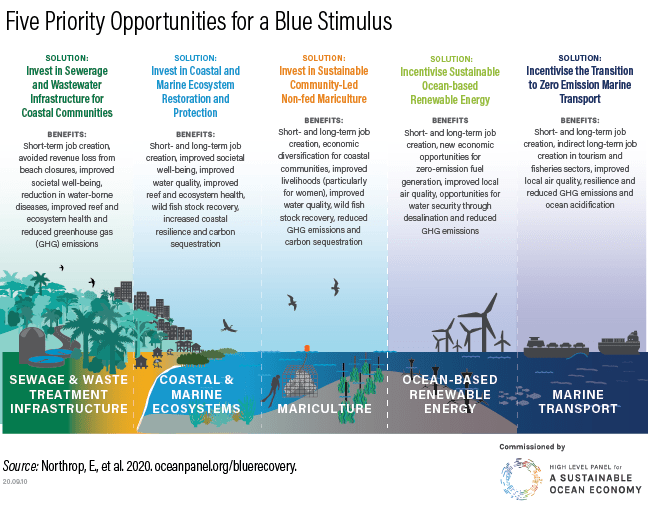
As a member of the Ocean Panel’s Advisory Network, Rare supports the five blue stimulus opportunities for government investment in COVID-19 crisis recovery outlined in the report. These proposed solutions deliver short-term relief to the economy and long-term economic, social, and environmental resilience. Moreover, they are considered a win-win for immediate assistance and forward-looking sustainable planning, known as a ‘no regrets’ investment strategy.

Fish Forever, Rare’s coastal fisheries program, prioritizes the report’s solution related to coastal and marine ecosystems: Invest in Coastal and Marine Ecosystem Restoration and Protection. Fish Forever uses behavioral insights to inspire fishing communities — fishers, fish buyers and traders, community members, and their local government — to adopt more responsible behaviors related to coastal fishing and implement nature-based solutions to protect their natural resources.

Investing in a nature-based solution like restoring and protecting coastal and marine ecosystems benefits coastal fishing households and their communities. This solution also has a host of benefits critical for a blue recovery, including the following five:

  1. Improves Food Security – Protecting coastal ecosystems supports ample fish resources and fish breeding habitat, which safeguards fishing communities by strengthening food security during times of crisis. Technology innovations, like Rare’s OurFish App referenced in the report, show how a nature-based approach to resource management benefits the community and improves food security: the app digitally helps to manage and understand fish stock and finance trends and enables fishing communities to monitor the value, type and local amount of fish caught.
  2. Enables Sound Financial and Household Decision-Making – Establishing Savings Clubs led by small-scale fishers empowers its members, often majority women, to manage their long-term household finances. It also raises awareness of the actions needed to enforce fish sanctuaries for coastal habitat protection and community livelihoods’ sustainability. This approach to behavior change “can powerfully affect the long-term strategy behind coastal fisheries conservation and the goal of ending overfishing,” as the report explains.
  3. Enhances Economic, Social, and Environmental Resilience – Investing in coastal and marine ecosystem restoration and protection can also expand job opportunities, such as protected areas enforcement officers, development planners, environmental engineers, and ecological restoration scientists. In addition to job security, nature-based solutions support the healthy natural resources that protect small-scale fishers’ livelihoods.
  4. Manages Natural Resources Sustainably – Ensuring coastal and marine ecosystem integrity further increases economic productivity by improving fisheries and tourism opportunities. Sustainable management also allows for more significant investment opportunities in blue carbon activities focused on climate mitigation and adaptation benefits from mangroves, seagrasses, and tidal salt marshes.
  5. Builds Community Pride – Stakeholder engagement and collaboration with public and private sectors, including small-scale fishers and their families, are critical for building pride in and ownership of more sustainable behaviors and community-based programs. Co-owning and managing natural resources and ensuring the inclusion of women and Indigenous communities has also demonstrated long-lasting benefits and delivers on many of the UN’s sustainable development goals.

Farmers and fishers rely on healthy ecosystems and strong local governance and management to thrive. Building back better from the impacts of COVID-19 will require a global blue recovery effort that not only prioritizes nature-based solutions but empowers coastal communities and their leaders to champion blue solutions.

BLUE solutions for COVID-19 recovery

Categories
environment

“Cocktail “: The plastic eating enzyme

The scientists behind re-engineering of the plastic-guzzling enzyme PETase have now gone a step further. These scientists have created an enzyme medley, which is up to six times faster to digest plastic.

Another enzyme, found in the same rubbish dwelling bacterium like PETase, has been combined with the latter to speed up the disintegration of plastic. PETase disintegrates polyethylene terephthalate into its building blocks. This creates an opportunity to reprocess plastic infinitely and reduce greenhouse gases and plastic pollution driving climate change.

Meanwhile, PET is the commonly used thermoplastic to make clothing, carpets, and single-use drink bottles. It takes hundreds of years for PET to disintegrate in the environment, but PETase can reduce this process to days.

Discovery of Plastic-eating PETase first step in Plastic Recycling revolution

With the discovery of PETase, it set up the prospect of a revolution in plastic recycling, thereby creating a potential low-energy solution to deal with plastic waste. To establish this, the natural PETase enzyme engineered in the laboratory featured to be almost 20 percent faster at disintegrating PET.

Going further, the same team of scientists have combined PETase and a second enzyme MHETase, for much bigger improvements. The mixing of PETase and MHETase doubled the speed of breakdown of PET, and designing a connection between the two enzymes created a super-enzyme, which further increased the speed of the activity by three times.

The study published in the journal Proceedings of the National Academy of Sciences was co-led by scientists who engineered PETase.

“In the natural phenomenon, PETase attacks the surface of the plastic and MHETase chops it further. Likewise, for it seemed natural if the two enzymes could be used together, to mimic the natural phenomenon,” opine the associates of the study

Categories
environment

Volcano discovery: Major eruptions could be a havoc to the climate

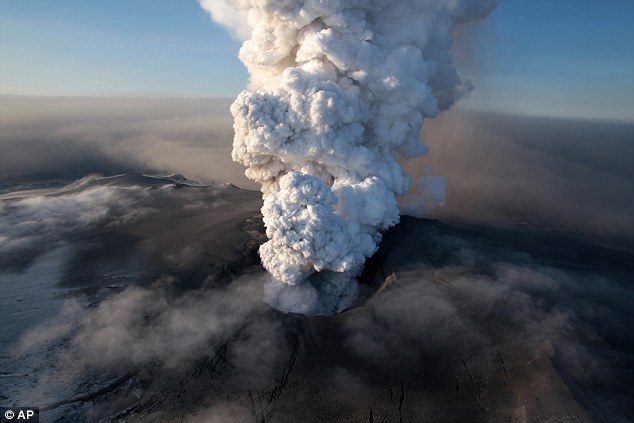
When volcanoes erupt, these geologic monsters produce tremendous clouds of ash and dust — plumes that can blacken the sky, shut down air traffic and reach heights of roughly 25 miles above Earth’s surface.

A new study led by the University of Colorado Boulder suggests that such volcanic ash may also have a larger influence on the planet’s climate than scientists previously suspected.

The new research, published in the journal Nature Communications, examines the eruption of Mount Kelut (or Kelud) on the Indonesian island of Java in 2014. Drawing on real-world observations of this event and advanced computer simulations, the team discovered that volcanic ash seems to be prone to loitering — remaining in the air for months or even longer after a major eruption.

“What we found for this eruption is that the volcanic ash can persist for a long time,” said Yunqian Zhu, lead author of the new study and a research scientist at the Laboratory for Atmospheric and Space Physics (LASP) at CU Boulder.

Lingering ash

The discovery began with a chance observation: Members of the research team had been flying an unmanned aircraft near the site of the Mount Kelut eruption — an event that covered large portions of Java in ash and drove people from their homes. In the process, the aircraft spotted something that shouldn’t have been there.

“They saw some large particles floating around in the atmosphere a month after the eruption,” Zhu said. “It looked like ash.”

She explained that scientists have long known that volcanic eruptions can take a toll on the planet’s climate. These events blast huge amounts of sulfur-rich particles high into Earth’s atmosphere where they can block sunlight from reaching the ground.

Researchers haven’t thought, however, that ash could play much of a role in that cooling effect. These chunks of rocky debris, scientists reasoned, are so heavy that most of them likely fall out of volcanic clouds not long after an eruption.

Zhu’s team wanted to find out why that wasn’t the case with Kelut. Drawing on aircraft and satellite observations of the unfolding disaster, the group discovered that the volcano’s plume seemed to be rife with small and lightweight particles of ash — tiny particles that were likely capable of floating in the air for long periods of time, much like dandelion fluff.

“Researchers have assumed that ash is similar to volcanic glass,” Zhu said. “But what we’ve found is that these floating ones have a density that’s more like pumice.”

Disappearing molecules

Study coauthor Brian Toon added that these pumice-like particles also seem to shift the chemistry of the entire volcanic plume.

Toon, a professor in LASP and the Department of Atmospheric and Oceanic Sciences at CU Boulder, explained that erupting volcanos spew out a large amount of sulfur dioxide. Many researchers previously assumed that those molecules interact with others in the air and convert into sulfuric acid — a series of chemical reactions that, theoretically, could take weeks to complete. Observations of real-life eruptions, however, suggest that it happens a lot faster than that.

“There has been a puzzle of why these reactions occur so fast,” Toon said.

He and his colleagues think they’ve discovered the answer: Those molecules of sulfur dioxide seem to stick to the particles of ash floating in the air. In the process, they may undergo chemical reactions on the surface of the ash itself — potentially pulling around 43% more sulfur dioxide out of the air.

Ash, in other words, may hasten the transformation of volcanic gases in the atmosphere.

Just what the impact of those clouds of ash are on the climate isn’t clear. Long-lasting particles in the atmosphere could, potentially, darken and even help to cool the planet after an eruption. Floating ash might also blow all the way from sites like Kelut to the planet’s poles. There, it could kickstart chemical reactions that would damage Earth’s all-important ozone layer.

But the researchers say that one thing is clear: When a volcano blows, it may be time to pay a lot more attention to all that ash and its true impact on Earth’s climate.

“I think we’ve discovered something important here,” Toon said. “It’s subtle, but it could make a big difference.”

Categories
environment

Earth’s Atmosphere ‘Rings’ like a Bell

According to a new study published in the Journal of the Atmospheric Sciences, by the scientists at the University of Hawai’i at Manoa and Kyoto University, the Earth’s entire atmosphere vibrates much like a ringing bell – “a low-pitched fundamental tone alongside higher-pitched overtones.”

In the water, waves are produced by passing energy. Energy moving through the skies-from things like heat-produced pressure to the gravitational pull of celestial bodies-also creates waves.

The atmospheric waves don’t slosh around the same way ocean waves do, but they are still recognisable if one knows what to look for : moving pockets of more tightly packed air, thousands of kilometres long. The waves of atmospheric pressure spans the globe and travels around the equator, some moving east to west and others west to east. Each of these waves is a resonant vibration of the global atmosphere, analogous to one of the resonant pitches of a bell.

The discovery of these theories of atmospheric circulation will help scientists better predict weather patterns and understand the makeup of our atmosphere.

Design a site like this with WordPress.com
Get started