Categories
Biology environment

This squirrel watches its neighbor’s back

Barbary ground squirrels look for predators together as a survival strategy

Just because you’re paranoid, that doesn’t mean everything isn’t actually trying to kill you.

Ground squirrels have few natural defenses against predators, so they rely on an early warning system to identify threats and alert others to run for cover.

But unlike meerkats that take individual turns standing watch while the rest forage, ground squirrels found off the coast of Africa keep watch together — a behavior called synchronous vigilance, according to a new study published in the journal Behavioral Ecology and Sociobiology.

Lead author Annemarie van der Marel, a postdoctoral researcher at the University of Cincinnati, spent three winters studying Barbary ground squirrels, an invasive species introduced to the Canary Islands from Morocco on Africa’s mainland. The almond-eyed, striped rodents with bushy tails live in colonies and take shelter underground in a network of burrows like other ground squirrels.

“They’re pretty cute. People had them as pets and that’s how they were introduced to the Canary Islands in 1965,” she said.

“I looked at whether and why they were social. I began studying the strategies for how they evade predation and increase survival. That’s how I got to the question of the synchronous vigilance of the species,” she said.

Prey animals such as kangaroos and wild boar also use synchronous vigilance to stay safe, van der Marel said.

Co-author Marta López Darias, a researcher with the Institute of Natural Products and Agrobiology in Spain, said the synchronized behavior increased with the size of the group, similar to observations made in other species that use this defense mechanism.

Unusual for ground squirrels, the populations found in the Canary Islands are as comfortable in the trees as on the ground, she said. They seem to prefer high vantage points such as the old rock walls above the fields and ravines where they can scan all angles of their surroundings. On the Canary Islands’ Fuerteventura, the squirrels face daily threats from domestic cats and birds of prey like buzzards and common kestrels.

“When they forage, they’re most vulnerable,” van der Marel said. “So the squirrels have to balance the time spent foraging and being vigilant. Their main defense mechanism is being watchful and alerting other group members to escape predation.”

To find food, the squirrels set out daily from their underground dens to forage for roots, seeds and fruit. Active in the day, they rely on their keen vision to detect threats from the air and land. The alarm call of a nearby squirrel will alert others and may send some running for the safety of rock piles or the nearest burrow. Often, other squirrels will join in the watchful vigil.

The animals can’t look for food and be on high alert for predators at the same time. So throughout the day they stop what they’re doing to scan the environment together, often from a higher vantage point, van der Marel said.

Virtually all the squirrels spend time standing watch during the day. About one-third of the time, they do so alone. But 40% of the time, they have company. And when a predator is observed, multiple squirrels stop to stand watch 60% of the time, the study found.

Researchers found that squirrels that spent more time watching still found enough food to remain in good physical condition. Likewise, their extended vigilance did not affect their overall survival rates.

“There are plentiful resources and less predation pressure, so they don’t have to forage as much,” she said.

Barbary ground squirrel - Stock Image - C018/0830 - Science Photo Library
Barbary Ground Squirrel
Categories
environment

Human activity is slowly killing the world’s rivers, study illustrates

The rivers criss-crossing Earth are choking up and anthropogenic factors were found to be one of the prominent reasons, according to a new report. Agriculture, mining and dam construction emerged as some of the biggest contributors to this degradation.

The chemical composition of major rivers such as Yangtze, Amazon, Mississippi and Congo have been altered by natural and human activities, the study found. 

Historical data analysis of  runoff and solute concentration of 149 large rivers pointed out that higher volumes of calcium, potassium, chloride and bicarbonates are flowing through river basins and estuaries. 

The concentration of total dissolved solids draining into oceans increased 68 per cent, chloride 81 per cent, sodium 86 per cent and sulfate (142 per cent) fluxes in almost a decade, according to the report published in Nature Communications journal October 12, 2021. 

An international cohort of scientists from universities in China, the United States and the United Kingdom created a database of solute contents (some records maintained over a century) and analysed the same for almost 10 years. 

The rivers observed included the Colorado and Mississippi (USA), the Amazon (South America), the Congo (Africa), the Rhine (Europe), the Yellow and Yangtse rivers (China) and the Murray (Australia).

The polar and tropical regions were the worst-affected because most of the urbanisation and agriculture were concentrated there. Weathering of rocks are also contributing factors. 

These human activities, along with natural factors, cause seven river syndromes — salinisation, mineralisation, desalinisation, acidification, alkalisation, hardening and softening — that damage ecosystems. 

“Acidification was also observed close to the equator as a result of bicarbonate levels vital for river health being present in the rivers of South America,” the researchers wrote in the report. 

About 6,400 million tonnes of solutes reach the sea from rivers each year, the report stated. 

It called for urgent mitigation measures to prevent solute concetrations from exceeding critical levels.

Categories
Covid-19 environment

CO2 Emissions bounce back!!

A new report by multiple international scientific agencies has flagged that fossil fuel emissions from coal, gas cement etc are back to 2019 levels or even higher in 2021.

Fossil CO2 emissions from coal, oil, gas and cement – peaked at 36.64 GtCO2 in 2019, followed by a significant drop of 1.98 GtCO2 (5.6%) in 2020 due to the Covid-19 pandemic.

Based on preliminary estimates, global emissions in the power and industry sectors were already at the same level or higher in January-July 2021 than in the same period in 2019, before the pandemic, highlights of the United in Science report said on Thursday.

United in Science is coordinated by the World Meteorological Organization (WMO), with input from the UN Environment Programme (UNEP), the World Health Organization (WHO), the Intergovernmental Panel on Climate Change (IPCC), the Global Carbon Project (GCP) etc. The full report will be released later today.

While emissions from road transport remained about 5% lower. Apart from aviation and sea transport, global emissions were at about the same levels as in 2019, averaged across those 7 months.

Concentrations of all major greenhouse gases – carbon dioxide (CO2), methane (CH4) and nitrous oxide (NO) continued to increase in 2020 and the first half of 2021, the report said, adding that overall emissions reductions in 2020 likely reduced the annual increase of the atmospheric concentrations of greenhouse gases “but this effect was too small to be distinguished from natural variability.”

United in Science has reiterated that there is high chance that global average temperature in one of the next five years will be at least 1.5 degrees Celsius (°C) higher than pre-industrial levels. Annual global mean near-surface temperature is likely to be within the range 0.9°C to 1.8°C in the next five years. There is a 40% chance that average global temperature in one of the next five years will be at least 1.5°C warmer than pre-industrial levels but it is very unlikely (~10%) that the 5-year mean temperature for 2021–2025 will be 1.5°C warmer.

The report has also flagged that coastal cities around the world; low lying coastal areas, small islands and deltas will need adaptation strategies urgently. Global mean sea levels rose 20 cm from 1900 to 2018 and at an accelerated rate of 3.7+0.5 mm/yr from 2006 to 2018. Even if emissions are reduced to limit warming to well below 2°C, global mean sea level would likely rise by 0.3–0.6 m by 2100. “Adaptation to this residual rise will be essential – adaptation strategies are needed where they do not exist – especially in low-lying coasts, small islands, deltas and coastal cities,” the report has said.

“Throughout the pandemic we have heard that we must build back better to set humanity on a more sustainable path and to avoid the worst impacts of climate change on society and economies. This report shows that so far in 2021 we are not going in the right direction,” said WMO Secretary-General Petteri Taalas.

This report shows just how far off course we are. The past five-year period is among the hottest on record. We continue to destroy the things on which we depend for life on Earth. Ice caps and glaciers continue to melt, sea-level rise is accelerating, the ocean is dying and biodiversity is collapsing. This year, fossil fuel emissions have bounced back to pre-pandemic levels. Greenhouse gas concentrations continue to rise to new record highs. We now have five times the number of recorded weather disasters than we had in 1970 and they are seven times more costly. Even the most developed countries have become vulnerable,” said UN Secretary-General, António Guterres on the launch of the report.

He added that UN climate negotiations (COP26) this November must mark that turning point. “By then we need all countries to commit to achieve net zero emissions by the middle of this century and to present clear, credible long-term strategies to get there. We need all countries to present more ambitious and achievable Nationally Determined Contributions that will together cut global greenhouse gas emissions by 45% by 2030, compared to 2010 levels. Nothing less will do.”

Guterres, and UK Prime Minister Boris Johnson have called an informal, closed-door roundtable with a small but representative group of heads of state and government, on the sidelines of the General Assembly, on Monday September 20. The Informal Climate Leaders Roundtable on Climate Action follows the recent report of the Intergovernmental Panel on Climate Change and comes less than six weeks before the COP26 Climate Change Conference in Glasgow.

IPCC’s report last month had flagged that the world may have lost the opportunity to keep global warming under 1.5°C over pre-industrial levels. The 1.5°C global warming threshold is likely to be breached in the next 10 to 20 years by 2040 in all emission scenarios including the one where carbon dioxide (CO2) emissions decline rapidly to net zero around 2050.

According to senior officials in the UN, the focus of the meeting will be a road map for the 1.5°C goal; climate mitigation and adaptation finance particularly the commitment to mobilise $100 billion per year by 2020 by developed countries.

Categories
Biology environment Uncategorized

What Happens to Marine Life When There Isn’t Enough Oxygen?

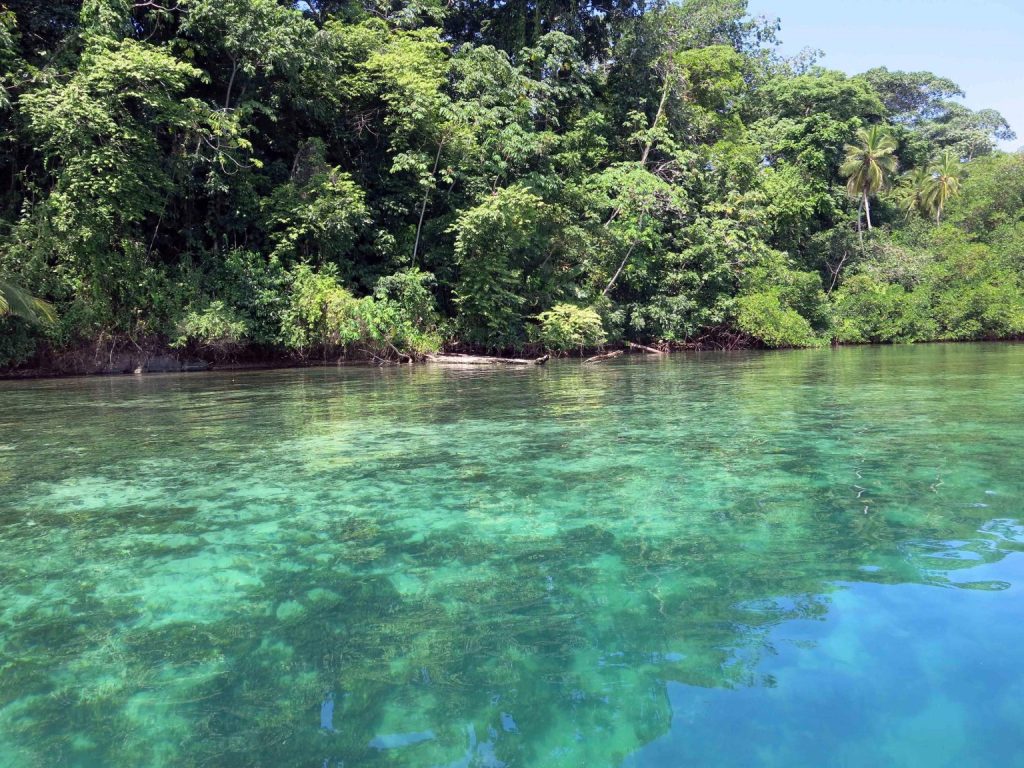
Hypoxic ocean waters are those that have little to no oxygen. These conditions can impact both coral reef and microbial communities, such as the one pictured beneath the sea surface here. This is a view of the surface waters off the coast of a Bocos del Toro island. Credit: Maggie Johnson © Woods Hole Oceanographic Institution

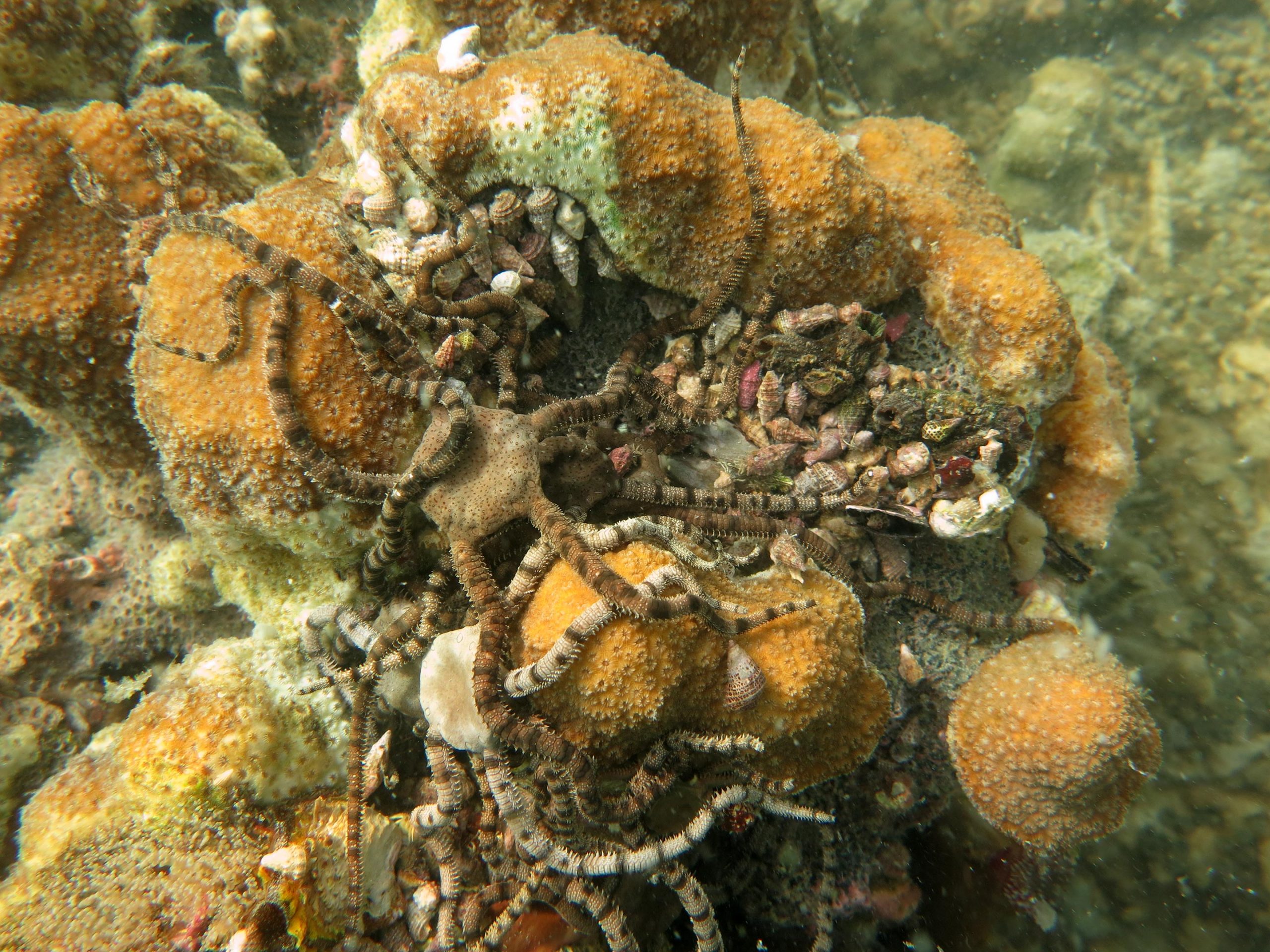
In September of 2017, Woods Hole Oceanographic Institution postdoctoral scholar Maggie Johnson was conducting an experiment with a colleague in Bocas del Toro off the Caribbean coast of Panama. After sitting on a quiet, warm open ocean, they snorkeled down to find a peculiar layer of murky, foul-smelling water about 10 feet below the surface, with brittle stars and sea urchins, which are usually in hiding, perching on the tops of coral.

This unique observation prompted a collaborative study explained in a new paper published on July 26, 2021, in Nature Communications analyzing what this foggy water layer is caused by, and the impact it has on life at the bottom of the seafloor.

“What we’re seeing are hypoxic ocean waters, meaning there is little to no oxygen in that area. All of the macro-organisms are trying to get away from this deoxygenated water, and those that cannot escape essentially suffocate. I have never seen anything like that on a coral reef,” said Johnson.

The study looks closely at the changes occurring in both coral reef and microbial communities near Bocas del Toro during sudden hypoxic events. When water drops below 2.8mg of oxygen per liter, it becomes hypoxic. More than 10% of coral reefs around the world are at high risk for hypoxia (Altieri et al. 2017- tropical dead zones and mass mortalities on coral reefs).

There is a combination of stagnant water from low wind activity, warm water temperatures, and nutrient pollution from nearby plantations, which contributes to a stratification of the water column. From this, we see these hypoxic conditions form that start to expand and infringe on nearby shallow habitats,” explained Johnson.

Investigators suggest that loss of oxygen in the global ocean is accelerating due to climate change and excess nutrients, but how sudden deoxygenation events affect tropical marine ecosystems is poorly understood. Past research shows that rising temperatures can lead to physical alterations in coral, such as bleaching, which occurs when corals are stressed and expel algae that live within their tissues. If conditions don’t improve, the bleached corals then die. However, the real-time changes caused by decreasing oxygen levels in the tropics have seldom been observed.

Investigators reported coral bleaching and mass mortality due to this occurrence, causing a 50% loss of live coral, which did not show signs of recovery until a year after the event, and a drastic shift in the seafloor community. The shallowest measurement with hypoxic waters was about 9 feet deep and about 30 feet from the Bocas del Toro shore.

What about the 50% of coral that survived? Johnson and her fellow investigators found that the coral community they observed in Bocas del Toro is dynamic, and some corals have the potential to withstand these conditions. This discovery sets the stage for future research to identify which coral genotypes or species have adapted to rapidly changing environments and the characteristics that help them thrive.

Investigators also observed that the microorganisms living in the reefs restored to a normal state within a month, as opposed to the macro-organisms, like the brittle stars, who perished in these conditions. By collecting sea water samples and analyzing microbial DNA, they were able to conclude that these microbes did not necessarily adjust to their environment, but rather were “waiting” for their time to shine in these low-oxygen conditions.

Investigators also observed that the microorganisms living in the reefs restored to a normal state within a month, as opposed to the macro-organisms, like the brittle stars, who perished in these conditions. By collecting sea water samples and analyzing microbial DNA, they were able to conclude that these microbes did not necessarily adjust to their environment, but rather were “waiting” for their time to shine in these low-oxygen conditions.

“The take home message here is that you have a community of microbes; it has a particular composition and plugs along, then suddenly, all of the oxygen is removed, and you get a replacement of community members. They flourish for a while, and eventually hypoxia goes away, oxygen comes back, and that community rapidly shifts back to what it was before due to the change in resources. This is very much in contrast to what you see with macro-organisms,” said Jarrod Scott, paper co-author and postdoctoral fellow at the Smithsonian Tropical Research Institute in the Republic of Panama.

Scott and Johnson agree that human activity can contribute to the nutrient pollution and warming waters which then lead to hypoxic ocean conditions. Activities such as coastal land development and farming can be better managed and improved, which will reduce the likelihood of deoxygenation events occurring.

The study provides insight to the fate of microbe communities on a coral reef during an acute deoxygenation event. Reef microbes respond rapidly to changes in physicochemical conditions, providing reliable indications of both physical and biological processes in nature.

The shift the team detected from the hypoxic microbial community to a normal condition community after the event subsided suggests that the recovery route of reef microbes is independent and decoupled from the benthic macro-organisms. This may facilitate the restart of key microbial processes that influence the recovery of other aspects of the reef community.

Brittle sea stars, which usually are in hiding, perch on top of andcoral to attempt to escape from hypoxic ocean waters, which have little to no oxygen in that area. Sadly, those that cannot escape essentially suffocate. Credit: Maggie Johnson © Woods Hole Oceanographic Institution

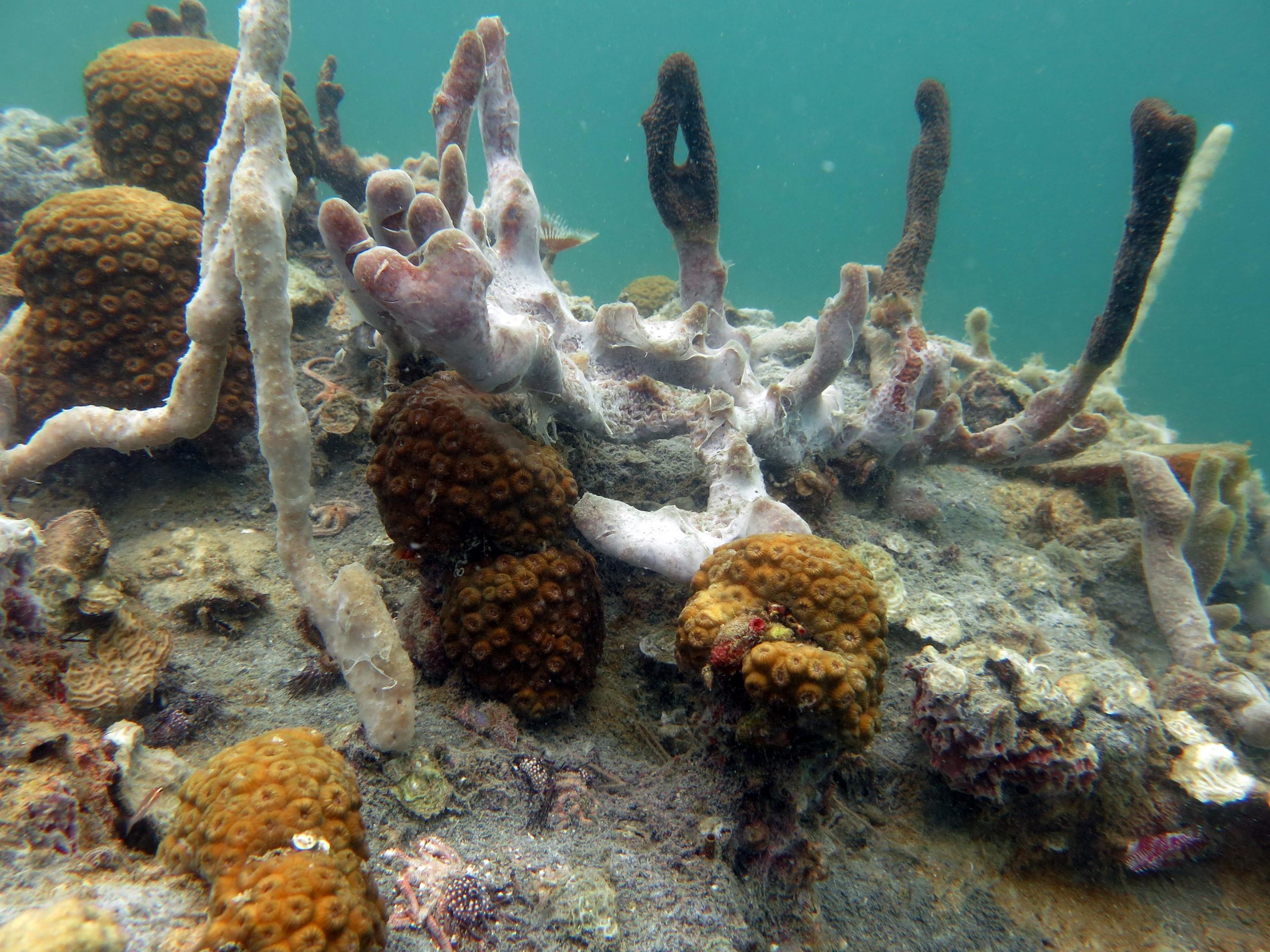
A sea sponge after a hypoxic event occurs. Hypoxic waters are those with little to no oxygen. It has lasting impacts on marine life at the seafloor of shallow, tropical waters, like this (species name), as well as coral and macro-organisms like urchins. Credit: Maggie Johnson © Woods Hole Oceanographic Institution

Categories
Biology environment human body

Why do Mosquitoes Bite Some More Than Others?

Monsoon can take a toll on human health. From manageable disease like cold and flu, to fatal diseases like dengue, malaria and chikungunya, monsoon brings along with it health complications that can put us at risk. While it might not be possible to avoid mosquito bites, as despite using ways like using mosquito repellents and avoiding mosquito-breeding, the vector succeeds in transmitting these diseases.

In a group, you must have noticed there is always someone who will complain about mosquitoes attacking them the most. That’s because, according to a report by Huff Post mosquitoes are selective insects, and some people are more likely to get bites than others.

There are certain factors which contribute to this effect. In one controlled study by the Journal of Medical Entomology, the bugs landed on people with blood Type O nearly twice as frequently as those with Type A. The researchers noted this has to do with secretions we produce, which tips mosquitoes off on a person’s blood type.

Entomology professor at the University of Florida, Jonathan F. Day said that more research needs to be conducted on mosquitoes’ potential preference for certain blood types over others. However, he agreed that mosquitoes do pick up on some cues we give off that make the bugs more likely to land on certain people.

“These cues let them know they are going to a blood source,” Day said. “Perhaps CO2 is the most important. The amount of CO2 you produce, like people with high metabolic rates ― genetic, other factors ― increases the amount of carbon dioxide you give off. The more you give off, the more attractive you are to these arthropods.”

The next question which pops up is what separates us from the nonliving entities that give off carbon dioxide, like cars? Mosquitoes look for primary cues in conjunction with what Day calls “secondary cues.”

Lactic acid — the stuff that causes our muscles to cramp during exercise — is one of those secondary cues, for example. Lactic acid is released through the skin, signaling to mosquitoes that we are a target, Day said.

Mosquitoes also have other qualities that help them pick up on secondary cues. “Mosquitoes have excellent vision, but they fly close to the ground to stay out of the wind,” Day said. “They are able to contrast you with the horizon, so how you’re dressed matters. If you have on dark clothes, you are going to attract more because you’ll stand out from the horizon, whereas those wearing light colors won’t as much.”

A mosquito also takes in “tactile cues” once it has landed on you.

“Body heat is a really important tactile cue,” Day said. “That comes into play with genetic differences or physiological differences. Some people tend to run a little warmer — when they land, they’re looking for a place where blood is close to the skin.” That means those whose temperatures are a little higher are more likely to get the bite.

Lifestyle or other health factors may also play a role, said Melissa Piliang, a dermatologist at Cleveland Clinic. “If body temperature is higher, you’re exercising and moving around a lot, or if you’re drinking alcohol, you are more attractive to mosquitoes,” Piliang said. “Being pregnant or being overweight also increases metabolic rate.”

Huff Post also said that one study showed that people who consumed just one can of beer were more at risk of attracting mosquitoes than those who didn’t. Of course, drinking outside is a popular summer and fall activity. “If you’ve been moving around all day doing yardwork and then you stop around dusk and drink a beer on your patio, you’re definitely at risk of bites,” Piliang said.

mosquitoes biting a person
Categories
environment

World Environment Day 2021

Happy environment day folks!!

Every year on June 5 Wold Environment Day 2021 is celebrated to spread awareness among people to conserve the environment for a healthy and better future. This day was created by United Nations in 1974 to create awareness regarding the need to protect our surroundings. 

In a wake to go digitalize, we have forgotten that our mother nature is vulnerable to technologies that are harming the environment. It is essential to save and rebuild the relationship with nature, as the environment is made up of every living and non-living beings. Also known as Eco Day or Environment Day, people on this day, organize various events in schools, colleges and offices. The aim to organize exhibition, conference and events is to encourage people to plant more trees and give tips to save the environment. World Environment Day 2021 theme is “Ecosystem Restoration”, and the global host of this campaign will be Pakistan.

For too long, humans have been exploiting and destroying the planet’s ecosystems. Every three seconds, the world loses enough forest to cover a football pitch and over the last century, we have destroyed half of the wetlands. As much as 50 per cent of the world’s coral reefs have already been lost and up to 90 per cent of coral reefs could be lost by 2050, even if global warming is limited to an increase of 1.5 degrees Celsius. Ecosystem loss is depriving the world of carbon sinks, like forests and wetlands, at a time when humanity can least afford it. Global greenhouse gas emissions have grown for three consecutive years and the planet is one place for potentially catastrophic climate change. We must now fundamentally rethink our relationship with the living world, with natural ecosystems and their biodiversity and work towards its restoration.

I was pondering about what I should do as a concerned world citizen on environment day amidst this pandemic. Browsing through the internet I got a bunch of ideas to make environment day 2021 fun-filled and productive by staying at home. I couldn’t stop myself from sharing these ideas with you. So, let’s get straight to it!

1) Watch a documentary

Watching a documentary is one of the best ways to learn about our environment and making sustainable choices to ensure a safe and healthy future for generations to come. Here are some of the documentaries that you can line-up for viewing — Pacificum: Return to the Ocean(Netflix), Cowspiracy(Netflix), The 11th Hour (YouTube) among many others.  

2) Take a virtual garden or museum tour 

With many of us staying indoors, WED is a great day to start having an environment-related conversation with your kids and teach them about the preservation of natural resources. You can do fun garden activities with them or take them on the virtual gardenzoo or museum visits available online.   

3) Shift to reusable water bottles and straws

Plastic straws have been a big menace to the oceans. Get on board to ditch them this WED and invest in cleaner and recyclable options such as paper, bamboo or metal straws and BPA-free, glass, stainless steel or copper bottles.    

4) Start a new sustainable diet 

Our meals can leave a huge carbon footprint if they are not sourced in environment-friendly ways. To contribute to combating this issue, you can start a new diet at home or make amends in your catering policy by switching to seasonal, sustainable and local plant-based products. Vegan, vegetarian and eco-friendly Keto diets are examples of some carbon-cutting options that involve giving up animal-based foods entirely.    

5) Ditch the single-use plastic containers at home

Around 40 percent of the plastic used in the world is single-use. It will be environment-friendly to phase out the containers made of single-use plastic at your home and swap them for cleaner and sustainable alternatives such as reusable glass containers, stainless steel lunch boxes and mason jars.     

I have adopted these amazing ideas and would encourage you to do the same!

Let us celebrate the occasion of World Environment Day by working together to save our planet from everything that harms it!!

Happy world environment day!!

Categories
Covid-19 environment

India braces for powerful cyclone amid deadly virus surge!!

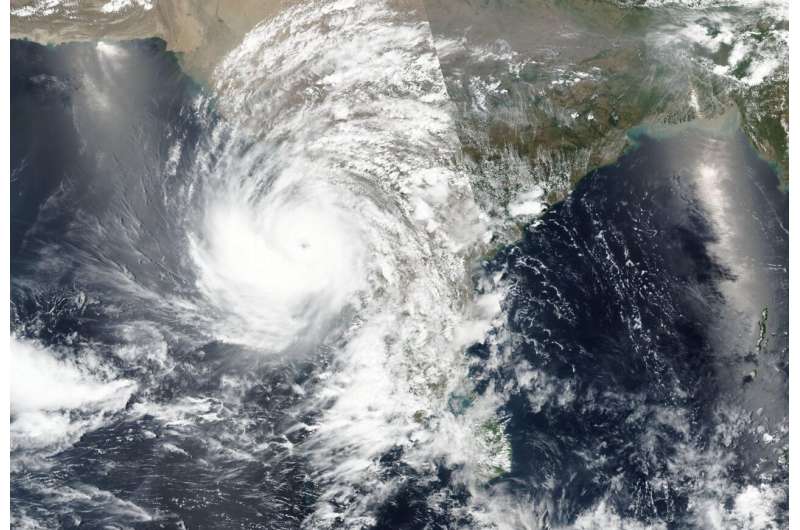
A powerful cyclone roaring in the Arabian Sea was moving toward India’s western coast on Monday as authorities tried to evacuate hundreds of thousands of people and suspended COVID-19 vaccinations in one state.

Cyclone Tauktae, which has already killed six people in parts of southern India, is expected to make landfall on Monday evening in Gujarat state with winds of up to 175 kph (109 mph), a statement by the India Meteorological Department said.

After the cyclone slams ashore, forecasters warn of the potential for extensive damage from high windsheavy rainfall and flooding in low-lying areas.

The massive storm comes as India is battling with a devastating coronavirus surge—and both the storm and the virus could exacerbate the effects of the other. The storm has already led to the suspension of some vaccination efforts and there is greater risk of virus transmission in crowded evacuation shelters

Virus lockdown measures, meanwhile, could slow relief work after the storm, and damage from the storm could potentially destroy roads and cut vital supply lines for things like vaccines and medical supplies needed for virus patients.

In Gujarat, vaccinations were suspended for two days and authorities worked to evacuate hundreds of thousands of people to temporary relief shelters. The state’s Chief Minister Vijay Rupani Monday asked officials to ensure that the oxygen supplies to hospitals are not disrupted.

In Maharashtra, operations at Mumbai city’s Chhatrapati Shivaji Maharaj International Airport were suspended for three hours.

Already, thousands of rescue and relief teams from the army, navy and coast guard, along with ships and aircraft, have been deployed for recovery operations.

India’s western coast no stranger to devastating cyclones, but changing climate patterns have caused them to become more intense, rather than more frequent.

In May 2020, nearly 100 people died after Cyclone Amphan, the most powerful storm to hit eastern India in more than a decade, ravaged the region and left millions without power.

Hoping that everything ends well this time.😟

Stay home, Stay safe 🙏🏼🙏🏼

Categories
Biology environment

Will your future clothes be made of algae?

Living materials, which are made by housing biological cells within a non-living matrix, have gained popularity in recent years as scientists recognize that often the most robust materials are those that mimic nature.

For the first time, an international team of researchers from the University of Rochester and Delft University of Technology in the Netherlands used 3D printers and a novel bioprinting technique to print algae into living, photosynthetic materials that are tough and resilient. The material has a variety of applications in the energy, medical, and fashion sectors. The research is published in the journal Advanced Functional Materials.

“Three-dimensional printing is a powerful technology for fabrication of living functional materials that have a huge potential in a wide range of environmental and human-based applications.” says Srikkanth Balasubramanian, a postdoctoral research associate at Delft and the first author of the paper. “We provide the first example of an engineered photosynthetic material that is physically robust enough to be deployed in real-life applications.”

HOW TO BUILD NEW MATERIALS: LIVING AND NONLIVING COMPONENTS??

To create the photosynthetic materials, the researchers began with a non-living bacterial cellulose — an organic compound that is produced and excreted by bacteria. Bacterial cellulose has many unique mechanical properties, including its flexibility, toughness, strength, and ability to retain its shape, even when twisted, crushed, or otherwise physically distorted.

The bacterial cellulose is like the paper in a printer, while living microalgae acts as the ink. The researchers used a 3D printer to deposit living algae onto the bacterial cellulose.

The combination of living (microalgae) and nonliving (bacterial cellulose) components resulted in a unique material that has the photosynthetic quality of the algae and the robustness of the bacterial cellulose; the material is tough and resilient while also eco-friendly, biodegradable, and simple and scalable to produce. The plant-like nature of the material means it can use photosynthesis to “feed” itself over periods of many weeks, and it is also able to be regenerated — a small sample of the material can be grown on-site to make more materials.

ARTIFICIAL LEAVES, PHOTOSYNTHETIC SKINS, AND BIO-GARMENTS

The unique characteristics of the material make it an ideal candidate for a variety of applications, including new products such as artificial leaves, photosynthetic skins, or photosynthetic bio-garments.

Artificial leaves are materials that mimic actual leaves in that they use sunlight to convert water and carbon dioxide — a major driver of climate change — into oxygen and energy, much like leaves during photosynthesis. The leaves store energy in chemical form as sugars, which can then be converted into fuels. Artificial leaves therefore offer a way to produce sustainable energy in places where plants don’t grow well, including outer space colonies. The artificial leaves produced by the researchers at Delft and Rochester are additionally made from eco-friendly materials, in contrast to most artificial leaf technologies currently in production, which are produced using toxic chemical methods.

“For artificial leaves, our materials are like taking the ‘best parts’ of plants — the leaves — which can create sustainable energy, without needing to use resources to produce parts of plants — the stems and the roots — that need resources but don’t produce energy,” says Anne S. Meyer, an associate professor of biology at Rochester. “We are making a material that is only focused on the sustainable production of energy.”

Another application of the material would be photosynthetic skins, which could be used for skin grafts, Meyer says. “The oxygen generated would help to kick-start healing of the damaged area, or it might be able to carry out light-activated wound healing.”

Besides offering sustainable energy and medical treatments, the materials could also change the fashion sector. Bio-garments made from algae would address some of the negative environmental effects of the current textile industry in that they would be high-quality fabrics that would be sustainability produced and completely biodegradable. They would also work to purify the air by removing carbon dioxide through photosynthesis and would not need to be washed as often as conventional garments, reducing water usage.

“Our living materials are promising because they can survive for several days with no water or nutrients access, and the material itself can be used as a seed to grow new living materials,” says Marie-Eve Aubin-Tam, an associate professor of bionanoscience at Delft. “This opens the door to applications in remote areas, even in space, where the material can be seeded on site.”

100% biodegradable T-shirt made from algae
100% biodegradable T-Shirt made from algae

Categories
environment

My Earth Day Initiative: Distribution of Plantable Pencils

Happy Earth Day guys!!!

This year’s theme of Earth Day is “Restore Our Earth” and its prime focus is restoring the Earth’s ecosystems by relying on natural processes, emerging green technologies and innovative thinking.

So I thought, what could be a better way to celebrate this earth day by encouraging people to plant trees! Couple of days ago I spent my time sitting on my table chewing the back of my pencil (not a good habit, I know😅) and brooding about how could I make tree plantation innovative and interesting. Suddenly it struck me-Pencils!! Yes, Plantable pencils. It is indeed a very innovative and attractive way to motivate people to plant trees.

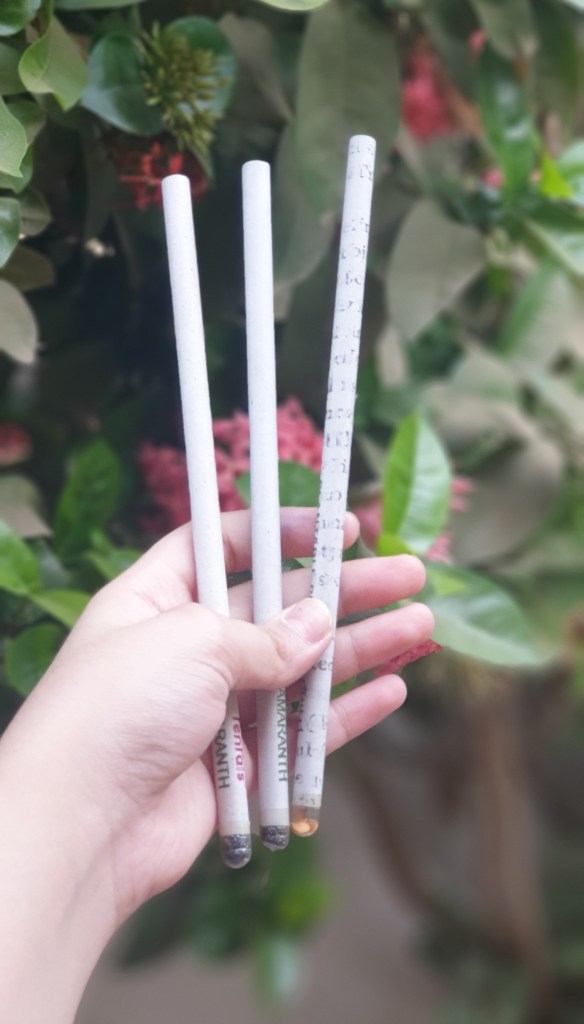
Talking more about plantable pencils, its a pencil that wants to be a plant when it grows up!! When its too short to use, plant the pencil to grow a small plant. These are innovative eco-friendly pencils made of recyclable paper. Can be sharpened like a normal pencil. It has different types of germinating seeds enclosed inside capsule. So, after using pencil, just plant it.

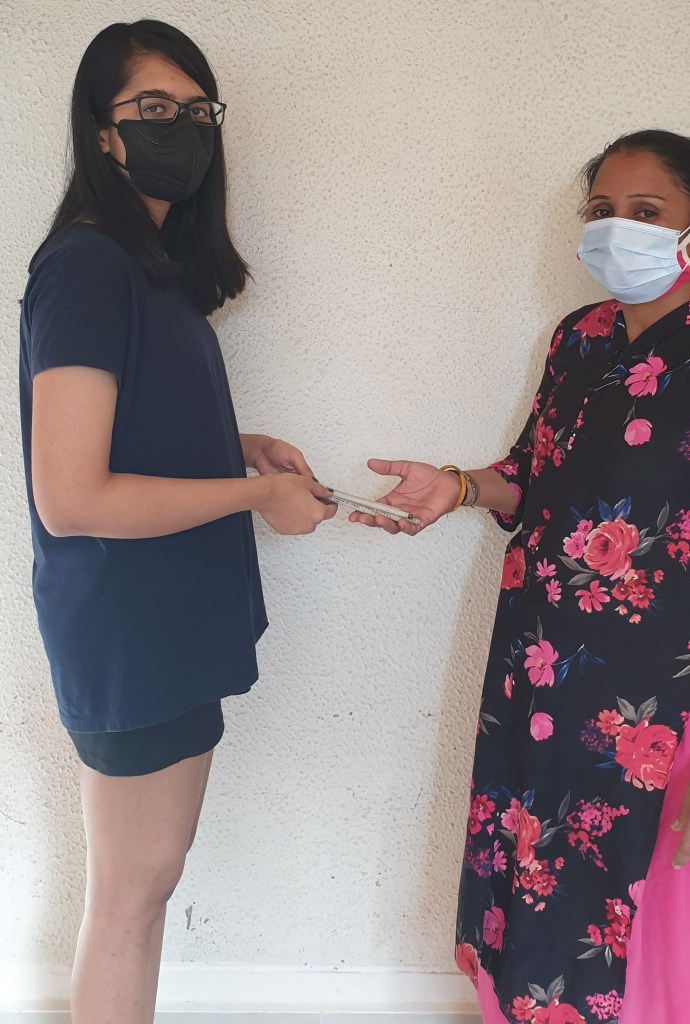
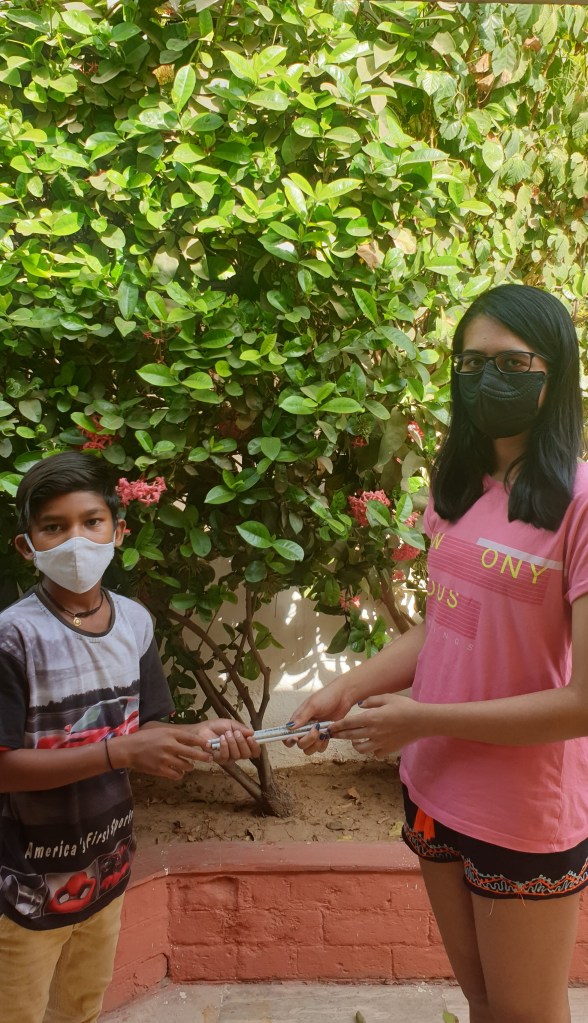
So, this time, on earth day, I distributed 200 plantable pencils in my neighbourhood and in some slum areas. I got immense positive response from everyone. People happily took the pencils and promised to send pics when they grew a plant out of it.

It was indeed a memorable experience for me. I got immense satisfaction for doing something good for our mother earth. Below are the pics of this memorable drive.

SMALLEST INITIATIVES LEAD TO THE BIGGEST CHANGES!!

Categories
Biology environment

New Technique Reliably Measures Whether Rivers or Lakes Have Run Out of Air

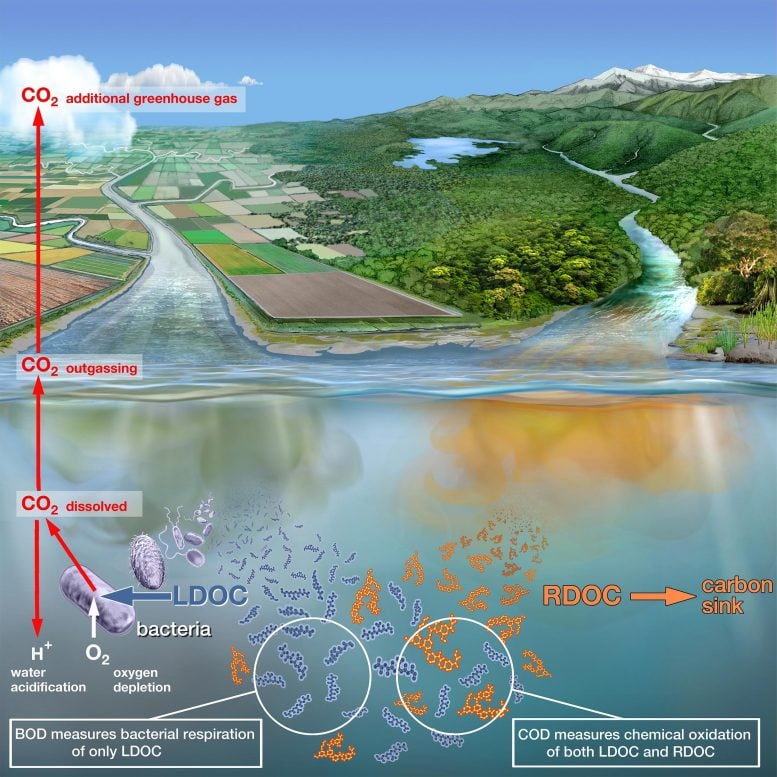
BOD and COD Measurement Methods

International study shows that freshwater polluted by fecal material can be determined more quickly and reliably using a new technique.

When wastewater from villages and cities flows into rivers and lakes, large quantities of fats, proteins, sugars and other carbon-containing, organic substances wind up in nature together with the fecal matter. These organic substances are broken down by bacteria that consume oxygen. The larger the volume of wastewater, the better the bacteria thrive. This, however, means the oxygen content of the water continues to decrease until finally the fish, mussels, or worms literally run out of air. This has created low-oxygen death zones in many rivers and lakes around the world.

No gold standard for measurements until now

In order to measure how heavily the waters are polluted with organic matter from feces, government bodies and environmental researchers regularly take water samples. One widely used measurement method uses a chemical reaction to determine the content of organic substances. As an international team of scientists now shows, this established method provides values from which the actual degree of the water pollution can hardly be derived. Prof. Helmuth Thomas, Director of Hereon’s Institute of Carbon Cycles is also a contributor to the study, which has now been published in the scientific journal Science Advances. “In the paper, we are therefore also introducing a new method for making the measurements much more reliable in the future,” he says.

Using the conventional measurement method, water samples are mixed with the chemicals permanganate or dichromate. These are especially reactive and break down all organic substances in a short time. The quantity of consumed permanganates or dichromates can then be used to determine how much organic substance was contained in the water sample.

Experts refer to this measurement as “chemical oxygen demand,” COD. The problem with the COD measurements is that they do not differentiate between the organic substances that wind up in the water with the sewage, and those that arise naturally — such as lignin and humic acids — which are released when wood decays. This means that the water pollution can hardly be distinguished from the natural content of organic substances.

“For the Han River in South Korea, for example, we have shown that the pollution with organic substances from wastewater in the past twenty-five years has decreased. The COD measurements, however, still show high values as they were before,” says Helmuth Thomas, “because here the natural substances make up a large portion of the organic matter in the water.”

Complicated biological analysis

But how can the actual pollution be measured more reliably? A biological measurement method has been established here for decades, but it is much more complex than the COD method and is therefore used more seldomly by government bodies and research institutions. In this case, a water sample is taken from the river or lake and the oxygen content of the water is measured as an initial value. Another “parallel sample” is immediately sealed airtight. Then this water sample rests for five days. During this time, the bacteria break down the organic substance, whereby they gradually consume the oxygen in the water. After five days, the container is opened and the oxygen is measured. If the water contains a great deal of organic matter, then the bacteria were particularly active. The oxygen consumption was then correspondingly high. Experts refer to the “biological oxygen demand” (BOD) in this measurement.

“The BOD measurement is far more precise than the COD because the bacteria preferentially break down the small organic molecules from the wastewater but leave the natural ones, such as lignin, untouched,” says Thomas. Nevertheless, the BOD measurement has its disadvantages, too. On the one hand, the BOD measurement takes five days, while the COD value is available after a few minutes. On the other, while filling, storing, and measuring the water samples, meticulous care must be taken to ensure that no oxygen from the ambient air winds up in the sample and falsifies the measurement value. “Only a few people with a great deal of laboratory experience have mastered how to entirely handle the BOD measurement,” says Thomas. “Therefore, government bodies and researchers even today still prefer the COD despite its greater uncertainties.”

Faster and more reliable method

Helmuth Thomas and his team are therefore introducing an alternative method that improves on the conventional BOD measurement. The advantage to the method is that only one water sample is necessary, which is immediately sealed and the oxygen consumption is measured without interfering with the sample. It is therefore unnecessary to open the sample after five days again to measure the oxygen content. This prevents the sample from coming into contact with atmospheric oxygen again.

With the new approach, an optical fiber is inserted into the sample vessel as soon as the water sample is filled. Through this fiber, the oxygen content can be continuously measured directly in the sample using optical effects. Thomas says, “We can measure the oxygen content non-stop and obtain a far more precise picture of the oxygen consumption by the bacteria.”

First tests have shown that a meaningful result is already available after about forty-eight hours, something that considerably accelerates the BOD measurement. All in all, the optical method makes the BOD measurements not only more reliable, but also faster. Helmuth Thomas assumes that the new method in the coming years therefore will be established as the new standard, which will replace both the COD as well as the classic BOD measurements. In the future, for example, it will be possible to determine more reliably than before whether water pollution control measures are actually successful.

Design a site like this with WordPress.com
Get started