Categories
environment

The effects of War on environment

Having just yet won the war against covid, we are again glued to the screens of our TVs catching up the escalating war tensions between Russia and Ukraine. Of course, we hope that it doesn’t turn into a full-fledged war because the horrible effects of war on mankind are known to one and all. But today, let’s ponder on the effects of war on environment.

The natural environment has been a strategic element of war since the first rock was thrown by the first cave dweller. The armies of ancient Rome and Assyria, to ensure the total capitulation of their enemies, reportedly sowed salt into the cropland of their foes, making the soil useless for farming—an early use of military herbicide, and one of the most devastating environmental effects of war.

But history also provides lessons in eco-sensitive warfare. The Bible, in Deuteronomy 20:19, stays the hand of the warrior to minimize war’s impact on nature and men alike:

“When you besiege a city a long time, to make war against it in order to capture it, you shall not destroy its trees by swinging an axe against them; for you may eat from them, and you shall not cut them down. For is the tree of the field a man, that it should be besieged by you?”

War and the Environment: We’ve Been Lucky so Far

War is waged differently today, of course, and has widespread environmental impacts that last far longer. “The technology has changed, and the potential effects of the technology are very different,” says Carl Bruch, director of international programs at the Environmental Law Institute in Washington, D.C.

Bruch, who is also the co-author of “The Environmental Consequences of War: Legal, Economic, and Scientific Perspectives”, notes that modern chemical, biological, and nuclear warfare has the potential to wreak unprecedented environmental havoc that, fortunately, we haven’t seen—yet. “This is a great threat,” Bruch says.1

But in some cases, precision weapons and other technological advances can shield the environment by targeting key facilities, leaving other areas relatively unscathed.2 “You could make the argument that these weapons have the ability to minimize collateral damage,” says Geoffrey Dabelko, senior advisor to the Environmental Change and Security Program at the Woodrow Wilson Center for Scholars in Washington, D.C.

It’s Local: The Impact of War Today

Warfare today also occurs infrequently between independent nations; more often, armed conflict breaks out between rival factions within a nation. These localized civil wars, according to Bruch, are usually beyond the reach of international treaties and bodies of law. “Internal conflict is viewed as a matter of sovereignty—an internal matter,” he says. As a result, environmental damage, like human rights violations, occurs unchecked by outside organizations.

Though skirmishes, armed conflicts, and open warfare vary tremendously by region and by weapons used, the effects of war on the environment usually involve the following broad categories.

Habitat Destruction and Refugees

Perhaps the most famous example of habitat devastation occurred during the Vietnam War when U.S. forces sprayed herbicides like Agent Orange on the forests and mangrove swamps that provided cover to guerrilla soldiers. An estimated 20 million gallons of herbicide were used, decimating about 4.5 million acres in the countryside. Some regions are not expected to recover for several decades.

Invasive Species

Military ships, cargo airplanes, and trucks often carry more than soldiers and munitions; non-native plants and animals can also ride along, invading new areas and wiping out native species in the process. Laysan Island in the Pacific Ocean was once home to a number of rare plants and animals, but troop movements during and after World War II introduced rats that nearly wiped out the Laysan finch and the Laysan rail, as well as bringing in sandbur, an invasive plant that crowds out the native bunchgrass that local birds depend on for habitat.

Infrastructure Collapse

Among the first and most vulnerable targets of attack in a military campaign are the enemy’s roads, bridges, utilities, and other infrastructure.6 While these don’t form part of the natural environment, the destruction of wastewater treatment plants, for example, severely degrades regional water quality. During the 1990s fighting in Croatia, chemical manufacturing plants were bombed; because treatment facilities for chemical spills weren’t functioning, toxins flowed downstream unchecked until the conflict ended.

Increased Production

Even in regions not directly affected by warfare, increased production in manufacturing, agriculture, and other industries that support a war effort can wreak havoc on the natural environment. During World War I, former wilderness areas of the United States came under cultivation for wheat, cotton, and other crops, while vast stands of timber were clear-cut to meet wartime demand for wood products. Timber in Liberia, oil in Sudan, and diamonds in Sierra Leone are all exploited by military factions. “These provide a revenue stream that is used to buy weapons,” says Bruch.

Scorched Earth Practices, Hunting, and Poaching

The destruction of your own homeland is a time-honored, albeit tragic, wartime custom. The term “scorched earth” originally applied to the burning of crops and buildings that might feed and shelter the enemy, but it’s now applied to any environmentally destructive strategy. To thwart invading Japanese troops during the Second Sino-Japanese War (1937–1945), Chinese authorities dynamited a dike on the Yellow River, drowning thousands of Japanese soldiers—and thousands of Chinese peasants—while also flooding millions of square miles of land.

Biological, Chemical, and Nuclear Weapons

The production, testing, transport, and use of these advanced weapons is perhaps the single most destructive effects of war on the environment.8 Though their use has been strictly limited since the bombing of Japan by the U.S. military at the end of World War II,9 military analysts have grave concerns about the proliferation of nuclear material and chemical and biological weaponry.10 “We’ve been very fortunate that we have not seen the devastation that we might see,” says Bruch.

Researchers point to the use of depleted uranium (DU) as one particularly dangerous military trend.11 DU is a byproduct of the uranium-enrichment process. Almost twice as dense as lead,12 it’s valued in weapons for its ability to penetrate tank armor and other defenses. An estimated 320 tons of DU were used in the Gulf War in 1991; in addition to soil contamination, experts are concerned that soldiers and civilians may have been exposed to dangerous levels of the compound.13

How Environmental Problems Lead to War

While the effects of war on the environment may be obvious, what’s less clear are the ways that environmental damage itself leads to conflict. Factions in resource-poor countries like those in Africa, the Mideast, and Southeast Asia have historically used military force for material gain; they have few other options.

Bruch explains that once armed conflict begins, soldiers and populations under siege must find immediate sources of food, water, and shelter, so they’re forced to adapt their thinking to short-term solutions, not long-term sustainability.

This short-term desperation leads to a vicious cycle of conflict, followed by people who meet their immediate needs in unsustainable ways, bringing deprivation and disillusionment, which then leads to more conflict. “One of the chief challenges is to break that cycle,” Bruch says.

Can Warfare Protect Nature?

It seems counterintuitive, but some have argued that military conflicts often end up preserving the natural environment. “It’s one of the findings that’s utterly contrary to expectations,” says Jurgen Brauer, Ph.D., professor of economics at Augusta State University in Augusta, Georgia. “The most preserved area in all of Korea is the demilitarized zone because you have the exclusion of human activity,” he says.

Other researchers have noted that despite the massive amounts of herbicide use during the Vietnam War, more forests have been lost in that country since the war ended than during it, due to peacetime commerce and Vietnam’s quest for prosperity. The coal-black skies caused by the Kuwaiti oil fires in 1991 provided dramatic visual evidence of war-related environmental damage. However, these oil fires burned in one month roughly the amount of oil burned by the United States in a single day.

“Peace can be damaging, too,” says Dabelko. “You have some of these ironic twists.”

But experts are quick to emphasize that this is not an argument in favor of armed conflict. “War is not good for the environment,” adds Brauer, who is also an author of the book “War and Nature: The Environmental Consequences of War in a Globalized World.”

And Bruch notes that warfare only delays the environmental damage of peaceful human activity and commerce. “It may provide a respite, but the long-term effects of war aren’t that different from what happens under commercial development,” he says.

Winning the Peace

As military planning evolves, it becomes apparent that the environment now plays a greater role in successful combat, especially after an armed conflict ends. “At the end of the day, if you’re trying to occupy an area, you have a strong incentive not to ruin it,” Dabelko says. The aforementioned biblical quote from Deuteronomy about preserving trees is, perhaps, good advice for the ages.

And some warriors are learning that there’s more to be gained from preserving the environment than in destroying it. In war-torn Mozambique, former military combatants have been hired to work together as park rangers protecting the wildlife and natural habitats that they once sought to destroy.14

“That built bridges between the military and the park service. It has worked,” Bruch says. “Natural resources can be very important in providing jobs and opportunities in post-conflict societies.”

View Article Sources

Categories
environment

Advantages and Challenges of Wind Energy

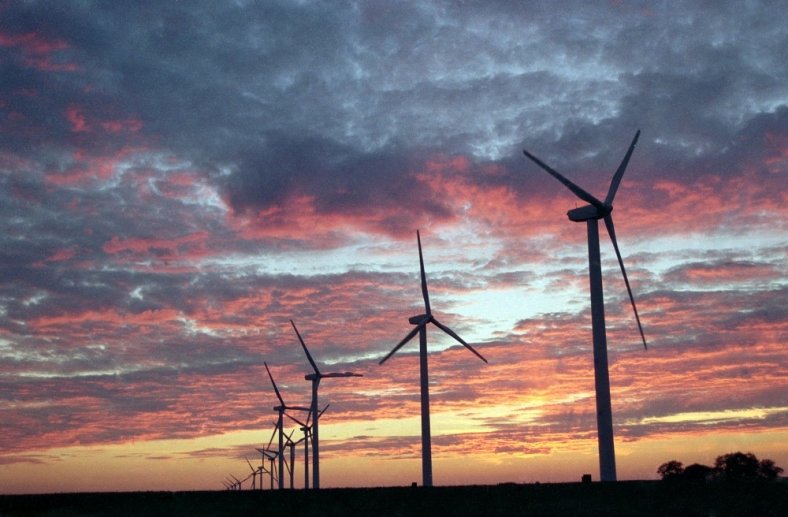
Wind energy offers many advantages, which explains why it’s one of the fastest-growing energy sources in the world. Research efforts are aimed at addressing the challenges to greater use of wind energy. Read on to learn more about the benefits of wind power and some of the challenges it is working to overcome.

Advantages of Wind Power

  • Wind power is cost-effective. Land-based utility-scale wind is one of the lowest-priced energy sources available today, costing 1–2 cents per kilowatt-hour after the production tax credit. Because the electricity from wind farms is sold at a fixed price over a long period of time (e.g. 20+ years) and its fuel is free, wind energy mitigates the price uncertainty that fuel costs add to traditional sources of energy.
  • Wind creates jobs. The U.S. wind sector employs more than 100,000 workers, and wind turbine technician is one of the fastest growing American jobs. According to the Wind Vision Report, wind has the potential to support more than 600,000 jobs in manufacturing, installation, maintenance, and supporting services by 2050.
  • Wind enables U.S. industry growth and U.S. competitiveness. New wind projects account for annual investments of over $10 billion in the U.S. economy. The United States has a vast domestic resources and a highly-skilled workforce, and can compete globally in the clean energy economy.
  • It’s a clean fuel source. Wind energy doesn’t pollute the air like power plants that rely on combustion of fossil fuels, such as coal or natural gas, which emit particulate matter, nitrogen oxides, and sulfur dioxide—causing human health problems and economic damages. Wind turbines don’t produce atmospheric emissions that cause acid rain, smog, or greenhouse gases.
  • Wind is a domestic source of energy. The nation’s wind supply is abundant and inexhaustible. Over the past 10 years, U.S. wind power capacity has grown 15% per year, and wind is now the largest source of renewable power in the United States.
  • It’s sustainable. Wind is actually a form of solar energy. Winds are caused by the heating of the atmosphere by the sun, the rotation of the Earth, and the Earth’s surface irregularities. For as long as the sun shines and the wind blows, the energy produced can be harnessed to send power across the grid.
  • Wind turbines can be built on existing farms or ranches. This greatly benefits the economy in rural areas, where most of the best wind sites are found. Farmers and ranchers can continue to work the land because the wind turbines use only a fraction of the land. Wind power plant owners make rent payments to the farmer or rancher for the use of the land, providing landowners with additional income.

CHALLENGES OF WIND POWER

  • Wind power must still compete with conventional generation sources on a cost basis.  Even though the cost of wind power has decreased dramatically in the past several decades, wind projects must be able to compete economically with the lowest-cost source of electricity, and some locations may not be windy enough to be cost competitive.
  • Good land-based wind sites are often located in remote locations, far from cities where the electricity is needed. Transmission lines must be built to bring the electricity from the wind farm to the city. However, building just a few already-proposed transmission lines could significantly reduce the costs of expanding wind energy.
  • Wind resource development might not be the most profitable use of the land. Land suitable for wind-turbine installation must compete with alternative uses for the land, which might be more highly valued than electricity generation.
  • Turbines might cause noise and aesthetic pollution. Although wind power plants have relatively little impact on the environment compared to conventional power plants, concern exists over the noise produced by the turbine blades and visual impacts to the landscape.
  • Wind plants can impact local wildlife. Birds have been killed by flying into spinning turbine blades. Most of these problems have been resolved or greatly reduced through technology development or by properly siting wind plants. Bats have also been killed by turbine blades, and research is ongoing to develop and improve solutions to reduce the impact of wind turbines on these species. Like all energy sources, wind projects can alter the habitat on which they are built, which may alter the suitability of that habitat for certain species.
wind energy
Categories
environment

Clean, healthy and sustainable environment a universal right: UN Human Rights Council

UNEP executive director calls on UN member states to consider passing a resolution on right to a clean environment, on the lines of UN Human Rights Council

The United Nations Human Rights Council October 8, 2021, unanimously voted for recognising a clean, healthy and sustainable environment as a universal right in Geneva, Switzerland.

If recognised by all, the right would the first of its kind in more than 70 years since the Universal Declaration of Human Rights was adopted by the UN General Assembly in 1948.

Inger Anderson, the executive director of the United Nations Environment Programme (UNEP), hailed the development in a statement.

She also called on UN member states to consider a similar resolution at the General Assembly.

The right to a clean environment was rooted in the 1972 Stockholm Declaration, Anderson noted. It was greatly encouraging to see it formally recognised at the global level five decades later, she added.

Over 13,000 civil society organisations and indigenous peoples’ groups, more than 90,000 children worldwide, the Global Alliance of National Human Rights Institutions and private sector stakeholders had campaigned relentlessly for the right, Anderson said.

The resolution emphasises “the rights to life, liberty and security of human rights defenders working in environmental matters, referred to as environmental human rights defenders.”

Environmental defenders across the globe are subject to constant physical attacks, detentions, arrests, legal action and smear campaigns.

Some 200 environmental defenders have been murdered in 2020 alone. Anderson said the UNEP would deepen its commitment to protecting and promoting environmental human rights defenders in the coming months.

She added that her organisation expected the resolution to embolden governments, legislators, courts and citizen groups in pursuing substantial elements of the Common Agenda for renewed solidarity.

The Agenda was presented last month by UN Secretary-General Antonio Guterres. Anderson also called for these parties to pursue the 2020 Call to Action on Human Rights.

“Let no one be left behind, as we forge a healthier planet with less conflict and more space for youth to be heard,” she said.

Categories
environment

The ozone layer

What is ozone?

Ozone is a naturally occurring molecule made up of three oxygen atoms. It has the chemical formula O3. The word ‘ozone’ is derived from the Greek word óζειν which means “to smell”. Its strong smell allows scientists to detect it in low amounts.

Ozone is found in different levels of the earth’s atmosphere. About 90% of ozone in the atmosphere is concentrated between 15 and 30 kilometres above the earth’s surface (stratospheric ozone). At this level it provides a protective shield from the sun, we think of this as good ozone. It is also found at ground level in lower concentrations (tropospheric ozone). Here ozone is a pollutant that is a key part of smog over cities and we think of it as bad ozone.

A Tale of Two Ozones describes the different effects of ozone depending on where in the atmosphere it is found.

What is the ozone layer?

The ozone layer is the common term for the high concentration of ozone that is found in the stratosphere between 15 and 30km above the earth’s surface. It covers the entire planet and protects life on earth by absorbing harmful ultraviolet-B (UV-B) radiation from the sun.

Prolonged exposure to UV-B radiation is linked to skin cancer, cataracts, genetic damage and immune system suppression in living organisms, and reduced productivity in agricultural crops and the food chain.

What is damaging the ozone layer?

Atmospheric data demonstrates that ozone depleting substances are destroying ozone in the stratosphere and thinning the earth’s ozone layer. Ozone depleting substances are chemicals that include chlorofluorocarbons (CFCs), halons, carbon tetrachloride (CCl4), methyl chloroform (CH3CCl3), hydrobromofluorocarbons (HBFCs), hydrochlorofluorocarbons (HCFCs), methyl bromide (CH3Br) and bromochloromethane (CH2BrCl). They deplete the ozone layer by releasing chlorine and bromine atoms into the stratosphere, which destroy ozone molecules. These and other ozone depleting substances also contribute, to varying extents, to global warming.

When was the depletion of the ozone layer discovered?

In 1974, chemists Mario Molina and Frank Sherwood Rowland discovered a link between CFCs and the breakdown of ozone in the stratosphere. In 1985, geophysicist Joe Farman, along with meteorologists Brian G Gardiner and Jon Shanklin published findings of abnormally low ozone concentrations above the Antarctic, which galvanized world-wide action.

In 1995, Mario Molina, Frank Sherwood Rowland and Paul Crutzen, also an atmospheric chemist, were jointly awarded the Nobel Prize in Chemistry “for their work in atmospheric chemistry, particularly concerning the formation and decomposition of ozone”.

More about ozone layer depletion

The ozone layer is depleted in two ways. Firstly, the ozone layer in the mid-latitude (e.g. over Australia) is thinned, leading to more UV radiation reaching the earth. Data collected in the upper atmosphere have shown that there has been a general thinning of the ozone layer over most of the globe. This includes a five to nine per cent depletion over Australia since the 1960s, which has increased the risk that Australians already face from over-exposure to UV radiation resulting from our outdoor lifestyle. Secondly, the ozone layer over the Antarctic, and to a lesser extent the Arctic, is dramatically thinned in spring, leading to an ‘ozone hole’.

Will the ozone layer recover

The global community has taken action to restore the ozone layer. The Montreal Protocol on Substances that Deplete the Ozone Layer (the Montreal Protocol) came into effect in 1987. It commits countries to phasing out production and import of all the major ozone depleting substances. Australia manages its obligations to this international agreement through the Ozone Protection and Synthetic Greenhouse Gas Management Act 1989.

Every four years, the World Meteorological Organisation and the United Nations Environment Programme review the state of the ozone layer. These reviews show that the abundance of ozone depleting chemicals in the atmosphere is now declining and the ozone layer is expected to recover to pre-1980 levels over the mid-latitudes by 2050 and over the Antarctic by 2065.

Categories
environment

4 reasons climate change is here, even though it’s cold

Climate change can increase snowfall

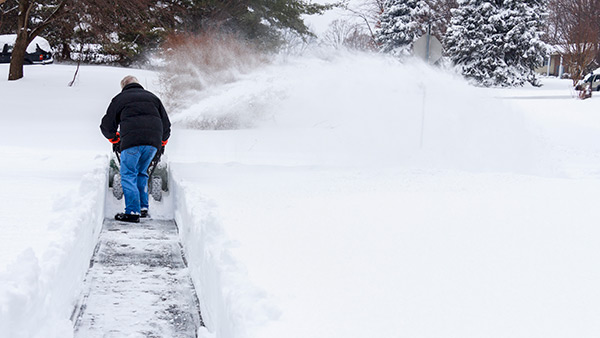
It may seem counterintuitive, but more snowfall during winter storms is an expected outcome of climate change. That’s because a warmer planet is evaporating more water into the atmosphere. That added moisture means more precipitation in the form of heavy snowfall or downpours.1

During warmer months, this can cause record-breaking floods. But during the winter – when our part of the world is tipped away from the sun – temperatures drop, and instead of downpours we can get massive winter storms.

A normal winter feels colder to us now

Winters in the U.S. have warmed a lot since the 1970s – making what used to be a typical winter feel even more frigid nowadays. This wintertime warming trend is most prominent in some of the coldest areas of the country, such as the Northeast and Upper Midwest.2

Researchers have found that the pace of winter warming has picked up in recent decades. Between 1970 and 2017, winter in the mainland U.S. warmed more than four-and-a-half times faster per decade than over the past 100 years.

Average temperatures keep going up

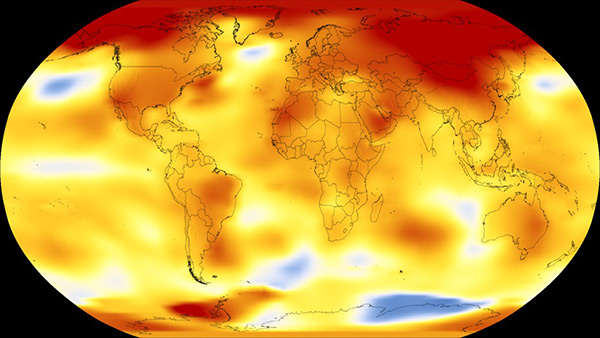
A cold front may bring a welcome change to sweltering summers, but overall, our planet is experiencing a dramatic warming trend.

According to NOAA and NASA, 2016 shattered records as the warmest year across global land and ocean surfaces since record-keeping began in 1880.3 This is a pattern that goes back decades.

Warmer Arctic may worsen cold snaps

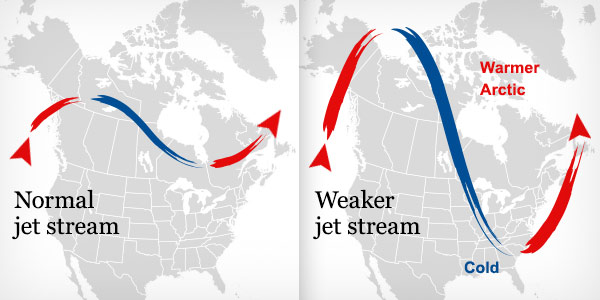
Research teams are starting to connect the dots between a warming Arctic and cold winters in the eastern United States.4

While it is still too early for scientists to reach a consensus about this plausible link, it is thought that melting sea ice in the Arctic can weaken the jet stream, allowing for frigid polar air to penetrate farther south than normal.

Categories
environment

‘Air pollution went up in parts of India during lockdown’

BENGALURU: Reduction of economic activities during the pandemic-related lockdown had resulted in decrease of air pollution in most parts of India, but satellite observations show that parts of India showed an increase in pollution in contrast to the general trend.

Scientists from the Aryabhatta Research Institute of Observational Sciences (ARIES) have identified that regions in the central-western part of India and north India are prone to higher air pollution exposure based on state-of-the-art satellite observations and hence are exposed to greater risk of respiratory problems.

ARIES said while satellite-based observation of toxic trace gases — ozone, nitrogen-di-oxide and carbon monoxide — near the surface and in the free troposphere mostly showed a reduction of the pollutants over India, an increase of ozone and other toxic gases was observed in western-central India, parts of northern India, and remote Himalaya. “This could have aggravated respiratory health risks around those regions during the pandemic,” one of the scientists said.

The study shows that Carbon monoxide showed a consistent increase — 31% — of concentration at higher heights during the lockdown.

Categories
environment

Solar PhotovoltaicTechnology

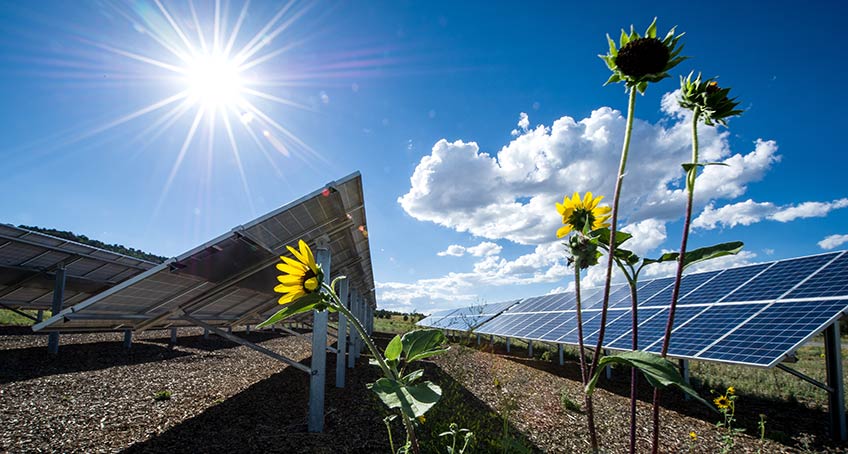
Solar cells, also called photovoltaic cells, convert sunlight directly into electricity.


Photovoltaics (often shortened as PV) gets its name from the process of converting light (photons) to electricity (voltage), which is called the photovoltaic effect. This phenomenon was first exploited in 1954 by scientists at Bell Laboratories who created a working solar cell made from silicon that generated an electric current when exposed to sunlight. Solar cells were soon being used to power space satellites and smaller items such as calculators and watches. Today, electricity from solar cells has become cost competitive in many regions and photovoltaic systems are being deployed at large scales to help power the electric grid.

Silicon Solar Cells

The vast majority of today’s solar cells are made from silicon and offer both reasonable prices and good efficiency (the rate at which the solar cell converts sunlight into electricity). These cells are usually assembled into larger modules that can be installed on the roofs of residential or commercial buildings or deployed on ground-mounted racks to create huge, utility-scale systems.

Thin-Film Solar Cells

Another commonly used photovoltaic technology is known as thin-film solar cells because they are made from very thin layers of semiconductor material, such as cadmium telluride or copper indium gallium diselenide. The thickness of these cell layers is only a few micrometers—that is, several millionths of a meter.

Thin-film solar cells can be flexible and lightweight, making them ideal for portable applications—such as in a soldier’s backpack—or for use in other products like windows that generate electricity from the sun. Some types of thin-film solar cells also benefit from manufacturing techniques that require less energy and are easier to scale-up than the manufacturing techniques required by silicon solar cells.

III-V Solar Cells

A third type of photovoltaic technology is named after the elements that compose them. III-V solar cells are mainly constructed from elements in Group III—e.g., gallium and indium—and Group V—e.g., arsenic and antimony—of the periodic table. These solar cells are generally much more expensive to manufacture than other technologies. But they convert sunlight into electricity at much higher efficiencies. Because of this, these solar cells are often used on satellites, unmanned aerial vehicles, and other applications that require a high ratio of power-to-weight.

Next-Generation Solar Cells

Solar cell researchers at NREL and elsewhere are also pursuing many new photovoltaic technologies—such as solar cells made from organic materialsquantum dots, and hybrid organic-inorganic materials (also known as perovskites). These next-generation technologies may offer lower costs, greater ease of manufacture, or other benefits. Further research will see if these promises can be realized.

Reliability and Grid Integration Research

Photovoltaic research is more than just making a high-efficiency, low-cost solar cell. Homeowners and businesses must be confident that the solar panels they install will not degrade in performance and will continue to reliably generate electricity for many years. Utilities and government regulators want to know how to add solar PV systems to the electric grid without destabilizing the careful balancing act between electricity supply and demand.

Materials scientists, economic analysts, electrical engineers, and many others at NREL are working to address these concerns and ensure solar photovoltaics are a clean and reliable source of energy.

Categories
environment

The ocean and climate change

  • The ocean is being disproportionately impacted by increasing carbon dioxide (CO2) and other greenhouse gas emissions (GHG) from human activities.
  • This causes changes in water temperature, ocean acidification and deoxygenation, leading to changes in oceanic circulation and chemistryrising sea levelsincreased storm intensity, as well as changes in the diversity and abundance of marine species.
  • Degradation of coastal and marine ecosystems threatens the physical, economic and food security of local communities, as well as resources for global businesses.
  • Climate change weakens the ability of the ocean and coasts to provide critical ecosystem services such as food, carbon storage, oxygen generation, as well as to support nature-based solutions to climate change adaptation.
  • The sustainable management, conservation and restoration of coastal and marine ecosystems are vital to support the continued provision of ecosystem services on which people depend. A low carbon emissions trajectory is indispensable to preserve the health of the ocean.

What is the issue ?

At the front line of climate change, the ocean, the coastlines and coastal communities are being disproportionately impacted by increasing carbon dioxide (CO2) and other greenhouse gas (GHG) emissions from human activities.

The ocean plays a central role in regulating the Earth’s climate. The Fifth Assessment Report published by the Intergovernmental Panel on Climate Change (IPCC) in 2013 revealed that it has thus far absorbed 93% of the extra energy from the enhanced greenhouse effect, with warming now being observed at depths of 1,000 m. As a consequence, this has led to increased ocean stratification (prevention of water mixing due to different properties of water masses), changes in ocean current regimes, and expansion of depleted oxygen zones. Changes in the geographical ranges of marine species and shifts in growing seasons, as well as in the diversity and abundance of species communities are now being observed. At the same time, weather patterns are changing, with extreme events increasing in frequency.

Atmospheric warming is leading to the melting of inland glaciers and ice, causing rising sea levels with significant impacts on shorelines (coastal erosion, saltwater intrusion, habitat destruction) and coastal human settlements. The IPCC projects global mean sea level to increase by 0.40 [0.26–0.55] m for 2081–2100 compared with 1986–2005 for a low emission scenario, and by 0.63 [0.45–0.82] m for a high emission scenario. Extreme El Niño events are predicted to increase in frequency due to rising GHG emissions.

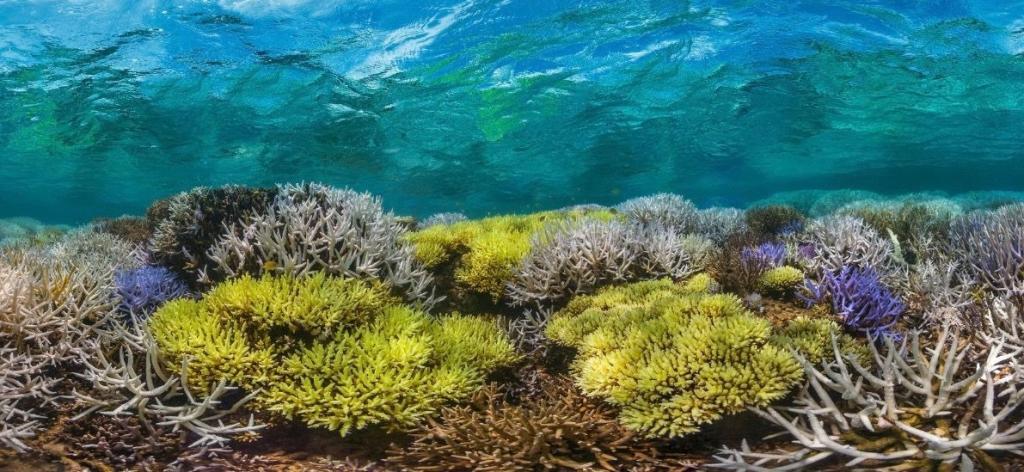
CO2 emissions are also making the ocean more acidic, making many marine species and ecosystems increasingly vulnerable. Ocean acidification reduces the ability of marine organisms, such as corals, plankton and shellfish, to build their shells and skeletal structures. It also exacerbates existing physiological stresses (such as impeded respiration and reproduction) and reduces growth and survival rates during the early life stages of some species. 

Why is it important ?

The ocean and coasts provide critical ecosystem services such as carbon storage, oxygen generation, food and income generation.

Coastal ecosystems like mangroves, salt marshes and seagrasses play a vital role in carbon storage and sequestration. Per unit of area, they sequester carbon faster and far more efficiently than terrestrial forests. When these ecosystems are degraded, lost or converted, massive amounts of CO2 – an estimated 0.15-1.02 billion tons every year – are released into the atmosphere or ocean, accounting for up to 19% of global carbon emissions from deforestation. The ecosystem services such as flood and storm protection that they provide are also lost.

The impacts of ocean warming and acidification on coastal and marine species and ecosystems are already observable. For example, the current amount of CO2 in the atmosphere is already too high for coral reefs to thrive, putting at risk food provision, flood protection and other services corals provide. Moreover, increased GHG emissions exacerbate the impact of already existing stressors on coastal and marine environments from land-based activities (e.g. urban discharges, agricultural runoff and plastic waste) and the ongoing, unsustainable exploitation of these systems (e.g. overfishing, deep-sea mining and coastal development). These cumulative impacts weaken the ability of the ocean and coasts to continue to perform critical ecosystem services.

The degradation of coastal and marine ecosystems threatens the physical, economic and food security of coastal communities – around 40% of the world population. Local fishers, indigenous and other coastal communities, international business organisations and the tourism industry are already seeing the effects of climate change particularly in Small Island Developing States (SIDS) and many of the Least Developed Countries (LDCs).

Weakened or even lost ecosystems increase human vulnerability in the face of climate change and undermine the ability of countries to implement climate change adaptation and disaster risk reduction measures, including those provided for in Nationally Determined Contributions (NDCs) under the Paris Agreement on climate change.

back to top

What can be done?

The sustainable management, conservation and restoration of coastal and marine ecosystems are vital to support the continued provision of carbon sequestration and other ecosystem services on which people depend.

Marine Protected Areas (MPAs) for example can protect ecologically and biologically significant marine habitats, including regulating human activities to prevent environmental degradation. At the IUCN World Conservation Congress 2016, IUCN Members approved a resolution calling for the protection of 30% of the planet’s ocean by 2030.

Protection and restoration of coastal ecosystems is also needed. Policies to prevent the conversion of these ecosystems to other land uses, for example regulating coastal development, can ensure their protection.

Countries can also develop policies and ensure the implementation of sustainable practices in all industries that impact the ocean and coasts, including fisheries and the tourism industry.

Support for scientific research is needed. This will ensure the continued monitoring and analyses of the impacts of climate change, with the knowledge gained used to design and implement adequate and appropriate mitigation and adaptation strategies.

Globally ambitious efforts are also needed to reduce the use of fossil fuels, increase the use of renewable energy systems and enhance energy efficiency. This will reduce the impacts of CO2 and other GHGs on the ocean.

The key is to harness existing opportunities, by, for example, conserving certain coastal carbon ecosystems under the reducing emissions from deforestation and forest degradation (REDD+) mechanism, as well as implementing the Nationally Determined Contributions (NDCs) under the Paris Agreement. 

Ocean regulating the earth climate
Categories
environment

Delhi’s choked roads worsen India’s toxic smog crisis

Smog in Delhi

After decades commuting on New Delhi’s parlous roads, office worker Ashok Kumar spends more time than ever stuck in the gridlock that packs the Indian capital’s thoroughfares and pollutes the city.

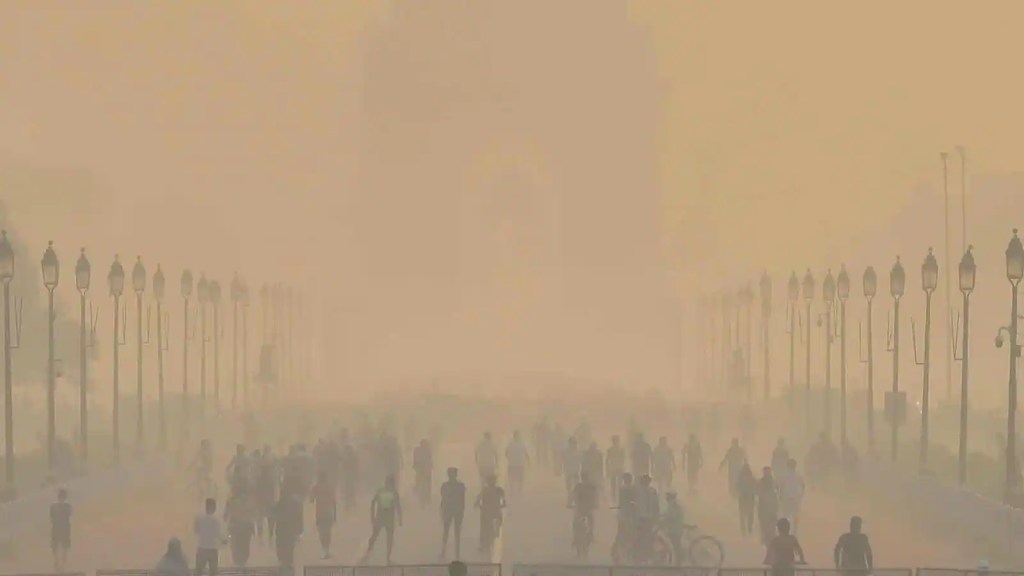
The sprawling megacity of 20 million people is regularly ranked the world’s most polluted capital, with traffic exhaust a main driver of the toxic smog that permeates the skies, especially in winter.

Delhi’s patchwork public transport network struggles to cater for a booming population, with long queues snaking outside the city’s underground metro stations each evening and overloaded buses inching their way down clogged arterials.

“When I came to Delhi, the air was clean because there were hardly any cars or bikes on the roads,” Kumar told AFP while waiting for a ride home outside the city’s main bus terminal.

“But now everyone owns a vehicle.”

Kumar spends nearly four hours each day in a “gruelling journey” to and from his home on Delhi’s far southern outskirts, alternating between commuter buses, private shared taxis and rickshaws.

Even at the age of 61, Kumar is hoping to save enough money to buy his own scooter and spare himself the pain of the daily commute.

“Not many people can afford to waste their time on public transport,” he said.

Private vehicle registrations have tripled in the last 15 years—there are now more than 13 million on the capital’s roads, government figures show.

The consequences are felt year-round, with Delhi road users spending 1.5 hours more in traffic than other major Asian cities, according to the Boston Consulting Group.

But come winter the daily inconvenience escalates into a full-blown public health crisis, as prevailing winds slow and the thick blanket of haze settles over the city sees a surge in hospital admissions from residents struggling to breathe.

Vehicle emissions accounted for more than half of the city air’s concentration of PM2.5—the smallest airborne particles most hazardous to human health—at the start of November, Delhi’s Centre for Science and Environment (CSE) said.

‘It made more sense’

A study from the centre last year showed the capital was experiencing a steady decline in public transit ridership.

Infrastructure has improved since the turn of the century, when Delhi inaugurated the first links in an underground rail network that now spans more than 250 stations and stretches into neighbouring satellite cities.

But the CSE said long distances between metro stops and residential areas was pushing commuters to switch to private vehicles.

“The Metro is convenient but I still had to take an auto-rickshaw or shared taxi from the station to my home,” Sudeep Mishra, 31, told AFP.

Mishra’s daily commute was a 50-kilometre (30-mile) return journey, including the two kilometres he had to navigate between the nearest station and his home—now all done on a second-hand motorbike.

“It was a hassle and expensive as well,” said Mishra, also a white-collar worker. “It made more sense to buy my vehicle to save time and money.”

Experts say this poor last mile connectivity is a particular issue for women, who often have to choose between private transport or risking a walk on dark and unsafe streets.

The move to private vehicles has seen Delhi’s bus network atrophy, with more than a hundred bus routes culled since 2009.

The state-run Delhi Transport Corporation’s fleet has shrunk by nearly half since a decade ago and last ordered new buses in 2008—with a planned expansion marred by corruption claims.

Cosmetic solutions

There is a direct link between this underinvestment in public transport and the capital’s worsening air pollution, said Sunil Dahiya, a New Delhi-based analyst with the Center for Research on Energy and Clean Air.

Official campaigns have attempted to lighten the haze in recent years, with the city at one point banning vehicles from the roads using an alternating odd-even system based on licence plate numbers.

Groups of youngsters are paid to stand at busy traffic intersections, waving placards urging drivers to turn off their ignitions while waiting at red lights.

And incentives have been offered for electric vehicle owners, but with only 145 charging stations across the city, take-up has been slow.

Dahiya told AFP that only a huge investment to make public transport more appealing and convenient would start to solve the intractable problem.

“We need aggressive growth in public transport to start seeing an absolute reduction in air pollution levels,” he said.

Traffic in Delhi
Categories
Biology environment

Marine Biologists Discover New Species of Octopus

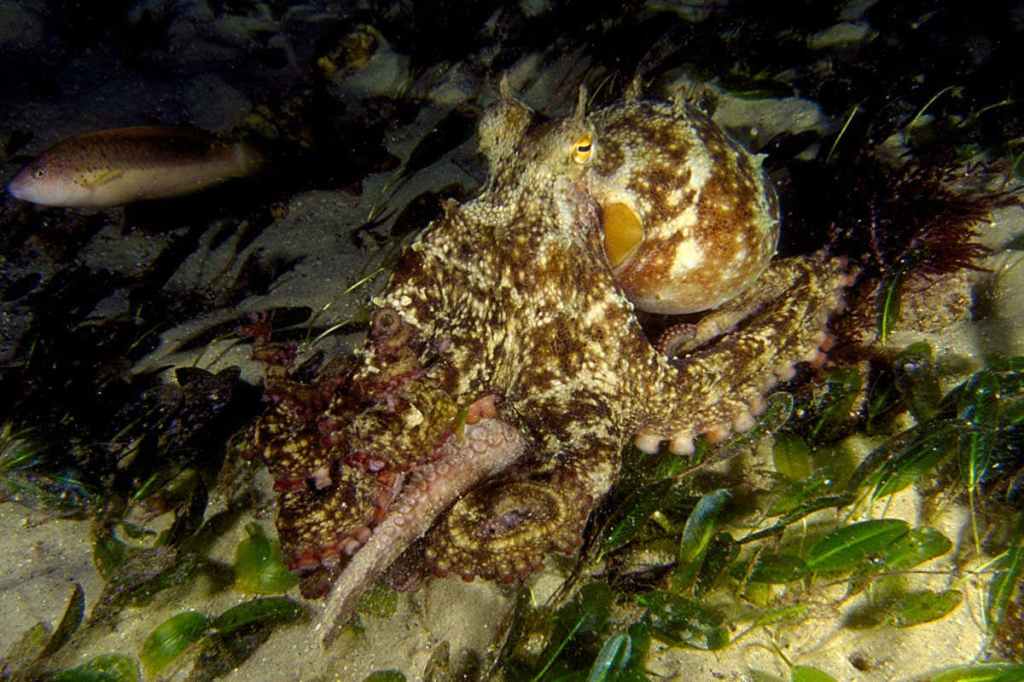
The newly-discovered octopus species inhabits the shallow waters off southwest Australia and belongs to the Octopus vulgaris group, according to a new paper published in the journal Zootaxa.

Octopus Djinda

“Benthic shallow-water species are among the most studied and best understood octopods, and are, therefore, of high interest to researchers and fishers,” said Dr. Michael Amor from the Western Australian Museum and Royal Botanic Gardens Victoria and Dr. Anthony Hart from the Western Australian Fisheries and Marine Research Laboratory.

“This attention can lead to an improved understanding of species boundaries and distributions, including the potential identification of cryptic taxa.”

“Cryptic speciation is common among octopods and examples are prevalent throughout the order Octopoda.”

“Octopuses have few hard body parts or diagnostic taxonomic traits. Further, morphological plasticity that is linked to local environmental conditions and the limited utility of traditional molecular markers have compounded our likely underestimation of species richness among octopods.”

“Within Octopoda, perhaps the most iconic example of this phenomenon is observed among members of the Octopus vulgaris group,” they added.

“This species-group represents one of the greatest octopus fisheries targets, and are of broad scientific interest (e.g., cell biology, environmental science, fisheries research, neuroscience, physiology, robotics).”

The newly-discovered species is conspecific with another member of the Octopus vulgaris group — the common Sydney octopus (Octopus tetricus) from Australia’s east coast and New Zealand — but is morphologically and genetically distinct.

Named the star octopus (Octopus djinda), the marine creature is distributed along the southwest coast of Australia, from Shark Bay to Cape Le Grand.

“This distribution closely reflects the territory of the traditional custodians of this land, the Nyoongar people (‘a person of the southwest of Western Australia’),” the researchers said.

“To recognize their connection to this land, a Nyoongar translation of ‘star’ (djinda) was selected as a species name. This use of ‘star’ (luminous) reflects the shared recent ancestry with, and now-understood distinction from, Octopus tetricus.”

The new species is a medium to large octopus, with a mantle length of 10.9-17.7 cm (4.3-7 inches).

Octopus djinda supports a highly productive fishery and is currently one of two octopod fisheries worldwide to have received sustainable certification from the Marine Stewardship Council,” the scientists said.

“Its taxonomic description provides formal recognition of the taxonomic status of southwest Australia’s common octopus, Octopus djinda, and facilitates appropriate fisheries catch reporting and management.”

Design a site like this with WordPress.com
Get started