Categories
Biology Evolution human body

New microevolutinary change :Median artery in the human forearm

The median artery is the main vessel that supplies blood to the forearm and hand, when first formed in the mother’s womb, but it disappears once two arteries seen in adults develop.

The radial and ulnar arteries usually replace the median artery during developmental stages in the womb, so most adults obviously don’t have a median artery, but increasing numbers of cases retain it, so a person can have all three arteries.

The median artery is now present in about 35% of people and researchers predict that people born 80 years from now will all carry a median artery if the trend continues.

“The median artery offers benefits because it increases overall blood supply and can be used as a replacement in surgical procedures in other parts of the human body,” said senior author Professor Maciej Henneberg, a researcher in the Biological Anthropology and Comparative Anatomy Research Unit at the University of Adelaide and the Institute of Evolutionary Medicine at the University of Zurich.

“This is microevolution in modern humans and the median artery is a perfect example of how we’re still evolving because people born more recently have a higher prevalence of this artery when compared to humans from previous generations.”

In the study, Professor Henneberg and colleagues aimed to investigate the prevalence of persistent median arteries in postnatal humans over the last 250 years and to test the hypothesis that a secular trend of increase in its prevalence has occurred.

They found a total of 26 median arteries in 78 upper limbs (a prevalence rate of 33.3%) obtained from Australians aged 51 to 101 years.

“Our study into the prevalence of the artery over generations shows that modern humans are evolving at a faster rate than at any point in the past 250 years,” said lead author Dr. Teghan Lucas, a researcher in the Department of Archaeology at Flinders University and the School of Medical Sciences at the University of New South Wales.

“Since the 18th century, anatomists have been studying the prevalence of this artery in adults and our study shows it’s clearly increasing.”

“The prevalence was around 10% in people born in the mid-1880s compared to 30% in those born in the late 20th century, so that’s a significant increase in a fairly short period of time, when it comes to evolution.”

“This increase could have resulted from mutations of genes involved in median artery development or health problems in mothers during pregnancy, or both actually,” he added.

“If this trend continues, a majority of people will have median artery of the forearm by 2100.”

“When the median artery prevalence reaches 50% or more, it should not be considered as a variant, but as a normal human structure,” the authors said.

Lucas.et al. find that the prevalence of the persistent median artery in postnatal life approximately tripled over the last 125 years.

Categories
Biology Covid-19 human body

Covid 19’s lingering problem : Heart damage

Massachusetts General Hospital pathologist James Stone can tell that most of the hearts he’s examined from COVID-19 patients are damaged from the first moment he holds them. They’re enlarged. They’re heavy. They’re uneven.

What he can’t tell—at least until he starts looking at samples of the tissue under a microscope—is exactly how those hearts were damaged, and whether it is a direct result of SARS-CoV-2 infection.

Early in the pandemic, other clinicians noted that even some patients who didn’t have preexisting heart conditions experienced cardiovascular damage while fighting COVID-19 infections, pointing to a possible causative link. Researchers had found, for example, that 8–12 percent of hospitalized COVID-19 patients had elevated levels of muscle contraction–regulating proteins called troponins—a sign of heart damage—and that these patients had an increased risk of mortality compared with those who didn’t have excess troponins. And early observations of patients in China who suffered reduced ejection fraction—the amount of blood getting pumped out of the heart each time it contracts—led researchers to suggest that these individuals were likely experiencing myocarditis, a severe form of inflammation that can weaken the heart and is commonly associated with infections.

But Stone and his collaborators’ analysis of heart tissue from 21 patients who died of COVID-19, published today (September 24) in the European Heart Journal, shows that while 86 percent of the patients did have inflammation in their hearts, only three had myocarditis. Several had other forms of heart injury, such as right ventricular strain injuries.

“The problem we identified in this study is that there’s other types of myocardial injury in these patients that is also causing elevated troponins,” says Stone. His international team sought to determine the mechanisms through which the disease damaged the heart and found that some conditions “really haven’t been talked about at all in the [COVID-19] papers that have previously been published.”

The pathologists observed a median of 20 slides from each heart, which is more than are included in most other studies regarding COVID-19’s cardiac effects. George Abela, a cardiologist at Michigan State University who was not involved in the study, tells The Scientist in an email, “This provides a more in-depth view of the extent of injury.”

The researchers expected to find some macrophages, a type of white blood cell that indicates inflammation, as pathologists had observed macrophages in the hearts of SARS patients during the 2003 outbreak. But Stone says he was surprised to see just how common these were—18 out of 21 COVID-19 patients’ hearts harbored macrophages that exhibited this type of inflammation. “It was really quite extensive,” he says.

As they analyzed the hearts further, the pathologists noted that only three patients had myocarditis, while four showed signs of heart injury due to right ventricular strain and another four had small blood clots in the vessels in the heart. It’s not clear why patients experience such inconsistent cardiac issues.

Abela says these findings have implications for treatment. For example, if the patient has right heart failure, a condition where the right side of a patient’s heart is not pumping enough blood to the lungs, a device that mechanically helps the heart pump blood might help, rather than drugs that target the inflammation or infection, which could be used to treat myocarditis.

Because so many of the hearts were infiltrated by macrophages, the researchers say that it may be difficult to discern who is experiencing myocarditis, which is characterized by different inflammatory cells—lymphocytes—while patients are alive. The two cell types would appear similar on tests that image the hearts of living patients. So, the team looked back at the patients’ medical records to see if they could find patterns in clinical tests that would reveal the type of heart damage when it still might be treatable. The three patients with myocarditis all had both troponin levels above 60 ng/mL and abnormal ECG readings while in the hospital. Only 15 percent of the patients without myocarditis had this combination.

The findings need to be replicated in larger groups of patients but could help doctors determine the best course of treatment for heart damage due to COVID-19, Stone says. The study is “giving the cardiologists and the ICU doctors that are taking care of these patients a roadmap of the changes that are going on in the heart.”

“Novel disease entities like SARS-CoV-2 reinforce the tremendous importance of continuing our efforts at continuing to facilitate autopsy evaluations,” says Allan Jaffe, a cardiologist at the Mayo Clinic, in an email. “This consortium of hospitals have added substantially to our knowledge of Covid disease.”

Categories
Biology

“THE KILLER MUTATIONS”

Scientists have discovered a handful of ultrarare mutations present in our cells from birth that likely shave years off a person’s life. Each of these DNA variants, most likely inherited from our parents, can reduce life span by as much as 6 months, the researchers estimate. And different combinations can dictate how long people live before developing age-related diseases such as cancer, diabetes, and dementia.

A person’s genes don’t set a specific natural life span—diet and many other factors play large roles, too—but studies have shown that DNA variants can influence the aging process. Biologists chalk up less than one-third of that influence to the genes we inherit. The source of other age-influencing DNA variation is environmental: Sun damage, chemical exposure, and other insults that create thousands of random mutations. Each cell’s collection of these environmental mutations differs, and most don’t greatly impact a person’s life span.

Hunting for these rare mutations, which are found in less than one in every 10,000 people, required a group effort. Harvard University geneticist Vadim Gladyshev, a senior co-author in the new study, partnered with academic colleagues and a biotech company called Gero LLC to scour the UK Biobank, a public database containing the genotypes of about 500,000 volunteers.

Using more than 40,000 of these genotypes, the team looked for correlations between small changes in DNA and health conditions, a so-called genomewide association study. Specifically, the variants they were targeting knock out genes entirely, depriving all the cells in the body of certain proteins.

On average, each person is born with six ultrarare variants that can decrease life span and “health span,” the amount of time people live before developing serious diseases, the team reports this month in eLife. The more mutations, the more likely a person was to develop an age-related illness at a younger age or die. “The exact combination matters,” Gladyshev says, but in general, each mutation decreases life span by 6 months and health span by 2 months.

The results build on what is already known about aging: “Family genes” matter. But rather than studying the common mutations found in especially long-lived people, researchers can now target rarer variants present in everyone. Gladyshev hopes this information can be used in clinical trials to categorize participants by their mutations in addition to things like gender and actual age.

He admits the findings are potentially controversial, as they minimize the perceived contribution to

aging of environmental “somatic” mutations acquired throughout life. Somatic mutations “live in a larger universe of age-related changes” influenced by lifestyle, he says, adding that changes to hormone and gene expression also come with age. “They [all] contribute to the aging process, but on their own they do not cause it.”

Jan Vijg, a geneticist at the Albert Einstein College of Medicine who studies the role of somatic mutations in aging, agrees, though he adds that somatic mutations can still cause diseases such as skin cancer that decrease life span.

Alexis Battle, a biomedical engineer at the Johns Hopkins University School of Medicine, points to an important caveat, however: The new research only looked at the “exome,” the 1% of the genome that actively builds the proteins that direct our cells. The rest is largely a black box, although growing evidence shows it can affect gene expression. Both Battle and Vijg agree that this DNA could be even more important in aging than the regions targeted by Gladyshev and his colleagues.

Going forward, Gladyshev would like to repeat his analysis on DNA from centenarians: those that live to be older than 100. “Most of the previous research focused on what these people have that makes them long-lived,” he says. “But [we want to look at] the opposite—it’s what they don’t have.”

Illustration of a damaged ribonucleic acid or dna strand
Categories
Biology

Ebola virus : A deadly havoc in people and not bats!!! Why???

The Ebola virus causes a devastating, often fatal, infectious disease in people. Within the past decade, Ebola has caused two large and difficult to control outbreaks, one of which recently ended in the Democratic Republic of the Congo.

When a virus brings serious disease to people, it means that humans are not good hosts for the virus. Viruses depend on a living host for their survival and have natural reservoirs — a hosting animal species in which a virus naturally lives and reproduces without causing disease. Bats are likely a natural reservoir for the Ebola virus, but little is known about how the virus evolves in bats.

Like most other RNA viruses, Ebola’s molecules are structured in a way that makes them more prone to genomic errors and mutations than other types of viruses. Because of this, Ebola and similar viruses have a remarkable ability to adapt to and replicate in new environments.

In the study, the research team, led by Alex Bukreyev, a UTMB virologist in the departments of pathology and microbiology and immunology, working with the team of Raul Andino, University of California, San Francisco, investigated how the Ebola virus adapts to both bat and human cells. They assessed changes in mutation rates and the structure of Ebola virus populations repeatedly in both bat and human cell lines using an ultra-deep genetic sequencing.

“We identified a number of meaningful differences in how the Ebola virus evolves when placed in a human cell line relative to a bat cell line,” Bukreyev said. “For instance, the RNA editing enzyme called ADAR within bat cells play a greater role in the replication and evolution of the Ebola virus than do such enzymes in human cells. We found that the envelope protein of Ebola virus undergoes a drastic increase in certain mutations within bat cells, but this was not found in human cells. This study identifies a novel mechanism by which Ebola virus is likely to evolve in bats.”

The study suggests that the Ebola virus and bats can live together harmoniously because of the bat cell’s ability to induce changes in the virus that make it less capable of harm. Bukreyev said that the study’s findings validate the ultra-deep genetic sequencing used in this study as a predictive tool that can identify viral mutations associated with more adaptive evolution. This technology can be very useful in studying, and perhaps shaping, the evolution of emerging viruses, like SARS-CoV-2, the virus responsible for COVID-19.

EBOLA VIRUS – A DANGER TO HUMANS

Categories
Biology Evolution

New insight into the evolution of complex life on Earth

A novel connection between primordial organisms and complex life has been discovered, as new evidence sheds light on the evolutionary origins of the cell division process that is fundamental to complex life on Earth.

The discovery was made by a cross-disciplinary team of scientists led by Professor Buzz Baum of University College London and Dr Nick Robinson of Lancaster University.

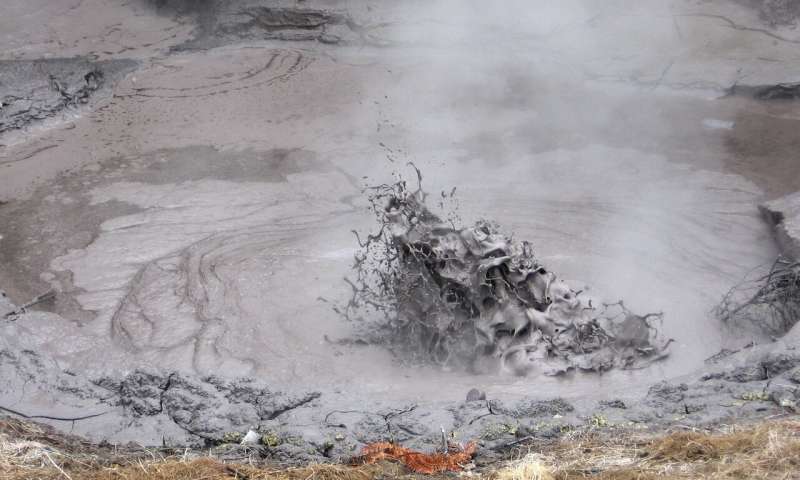
Their research, published in Science, sheds light on the cell division of the microbe Sulfolobus acidocaldarius, which thrives in acidic hot springs at temperatures of around 75?C. This microbe is classed among the unicellular organisms called archaea that evolved 3.5 billion years ago together with bacteria.

Eukaryotes evolved about 1 billion years later — likely arising from an endosymbiotic event in which an archaeal and bacterial cell merged. The resulting complex cells became a new division of life that now includes the protozoa, fungi, plants and animals.

Now a common regulatory mechanism has been discovered in the cell division of both archaea and eukaryotes after the researchers demonstrated for the first time that the proteasome — sometimes referred to as the waste disposal system of the cell — regulates the cell division in Sulfolobus acidocaldarius by selectively breaking down a specific set of proteins.

The authors report: “This is important because the proteasome has not previously been shown to control the cell division process of archaea.”

The proteasome is evolutionarily conserved in both archaea and eukaryotes and it is already well established that selective proteasome-mediated protein degradation plays a key role in the cell cycle regulation of eukaryotes.

These findings therefore shed new light on the evolutionary history of the eukaryotes.

The authors summarise: “It has become increasingly apparent that the complex eukaryotic cells arose following an endosymbiotic event between an ancestral archaeal cell and an alpha-proteobacterium, which subsequently became the mitochondria within the resulting eukaryotic cell. Our study suggests that the vital role of the proteasome in the cell cycle of all eukaryotic life today has its evolutionary origins in archaea.”

Categories
Biology Covid-19

What Does Asymptomatic COVID-19 Look Like Under the Surface?

— Many individuals show subclinical abnormalities as well as differences from symptomatic patients

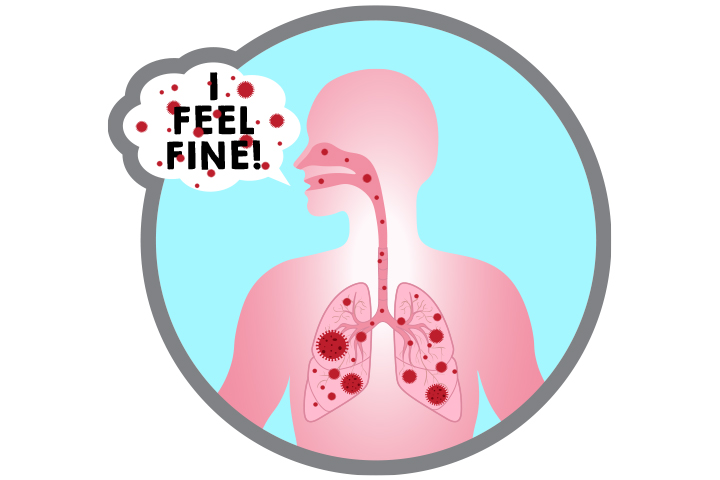
Asymptomatic individuals carrying SARS-CoV-2 shed the virus longer than those with COVID-19 symptoms, with other lab findings suggesting the symptomatic patients mounted more robust immune responses, a small study in China found.

Median duration of viral shedding among 37 asymptomatic patients was 19 days (interquartile range 15-26; range 6-45) versus 14 days among 37 matched symptomatic patients (IQR 9-22; log-rank P=0.028), reported Jing-Fu Qiu, PhD, of Chongqing Medical University, and colleagues, though viral shedding does not necessarily mean the patients were infectious.

Virus-specific IgG antibody titers and cytokine levels were also significantly lower among asymptomatic patients in the acute phase of infection, when viral RNA can be found in respiratory specimens, the authors wrote in Nature Medicine — both of which indicated that immune responses weren’t as strong in the asymptomatic group.

Asymptomatic transmission of COVID-19 is one of its biggest mysteries, with the World Health Organization recently reminding the public of the distinction between asymptomatic patients, who never develop symptoms, and presymptomatic patients, who go on to develop symptoms later in the course of disease.

Qiu and colleagues characterized asymptomatic carriers as the “silent spreaders” of COVID-19.

“However, our understanding of the clinical features and immune responses of asymptomatic individuals with SARS-CoV-2 infection is limited,” the researchers added.

For the study, they examined data from 178 patients with PCR-confirmed SARS-CoV-2 infection in the Wanzhou District in China, including 37 without symptoms. Median age in the latter was 41, and 22 were women. These individuals were matched by age, sex, and comorbidity with 37 symptomatic patients for antibody detection and cytokine measurement. Qiu and colleagues also included a group of 37 individuals who tested negative via RT-PCR for cytokine comparisons.

Lab values and imaging were not entirely normal for the asymptomatic group. Eleven had increased C-reactive protein levels and six had elevated levels of alanine aminotransferase. Chest CT found “focal ground-glass opacities” in 11 and “stripe shadows and/or diffuse consolidation” in another 10 of the group; in two-thirds of these 21 patients, the abnormalities were in only one lung. The remaining 16 showed entirely normal imaging.

Around 80% of both symptomatic and asymptomatic patients tested positive for IgG antibodies about 3-4 weeks after exposure. The difference was greater when examining IgM antibodies, with positive findings in 78.4% of symptomatic patients and 62.2% of asymptomatic patients.

In the early convalescent phase, defined as 8 weeks after hospital discharge, symptomatic patients had higher IgG levels, though both groups experienced over 90% decreases in IgG levels. A larger proportion of asymptomatic patients had decreases in neutralizing serum antibody levels versus symptomatic patients (81.1% vs 62.2%, respectively).

These findings should serve as a caution against assuming prior infection confers immunity to future infection, Qiu and colleagues said.

“These data might indicate the risks of using COVID-19 ‘immunity passports’ and support the prolongation of public health interventions, including social distancing, hygiene, isolation of high-risk groups, and widespread testing,” the team wrote.

Plasma levels of cytokines were also similar between asymptomatic patients and healthy controls, though significantly higher levels of stem cell factor and leukemia inhibitory factor were found in the asymptomatic group, the researchers noted, calling this a “reduced inflammatory response characterized by low circulating concentrations of cytokines and chemokines.”

Qiu and co-authors cited the varying sensitivity and specificity of antibody tests (obtained from a company called Bioscience) as a limitation to their study, adding that the results may be confounded by existing antibodies to other coronaviruses, such as SARS or MERS, as well as common cold viruses.

Categories
Biology human body

Can dual handedness boost your brain???

Only one percent of the global population is ambidextrous i.e., they have the ability to write with both the hands simultaneously. Leonardo da Vinci, Ben Franklin, Albert Einstein are some of the genius in history who are capable of writing with both their hands.

In India, there is an ambidextrous school where nearly 300 students are ambidextrous. They can write in high speed and utmost accuracy and most surprisingly they are able to write in six different languages like Hindi, English, Urdu, Sanskrit, Arabic and Roman.

But a question arises , ” Does Ambidextrousness improve the brain function and memory??”

Studies show that although teaching people to be ambidextrous is popular for centuries, this practice does not improve brain function, and it may even harm our neural development leading to dyslexia and dyscalculia, which are serious learning disabilities.

Research in Sweden found ambidextrous children to be at a greater risk for developmental conditions such as attention-deficit hyperactivity disorder. Another study revealed that these people performed worse than left or right-handers on a range of skills, especially in math, memory retrieval and logical reasoning. Also ambidextrous people are at a higher risk for schizophernia than the rest of the population (usually have the LRRTM1 gene which is linked with schizophrenia).

Categories
Biology human body

Gut microbes love a good workout

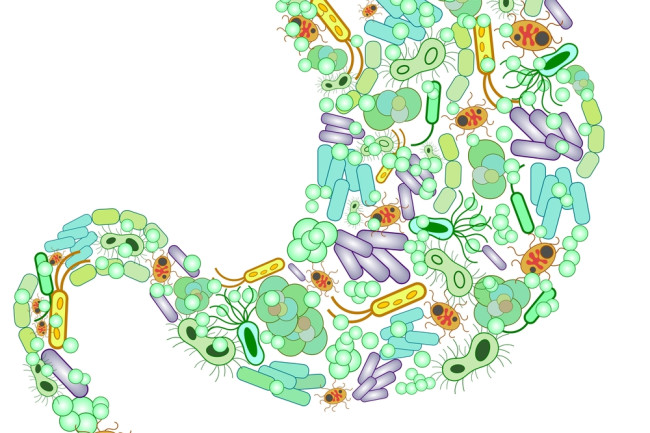
Exercise can have great effects on the trillions of microbes that live in our gut. Together the community of gut microbiome can weigh up to 2 kilograms (4.4 pounds).

Lucy Mailing, a nutritional scientist , performed a research on how exercise affects the gut microbiome at the University of Illinois Urbana-Champaign. The research showed that the microbes in active people made more short-chain fatty acids (SCFs) that are good for health. One of these was butyrate (BYOO-turayt). Studies have shown it can protect against certain cancers, fight inflammation and regulate genes that promote health. It may even enhance sleep. Our gut bacteria make such SCFAs from the fiber found in nuts, grains and many vegetables.

Riley Hughes studies nutritional biology at the University of California, Davis. She summarised research on exercise, diet and the microbiome in the January 2020 Frontiers in Nutrition. She says, “Multiple studies have found that exercise increases butyrate and other beneficial SCFAs. Athletes have more SCFAs in their gut than non-athletes.

Studies of how our gut and brain communicate are relatively new. But scientists have already discovered that childhood and adolescence are unique windows for recruiting these microbes. Regular exercise and a good diet during these early life stages create a healthy microbiome.

The final take home message remains the same : Exercise is good for you.

Categories
Biology human body

Bravo! the mystery resolved – “Brain clearing out the dead neurons”

In an average human body, tens of billions of cells die everyday. The dead and the dying cells must be quickly removed to prevent the development of inflammation, which could trigger the death of the neighbouring cells. Recently, the researchers at Yale School of Medicine have directly imaged the death of neurons in mice, as well as how the body clears them out afterwards.

Further down the line, these findings might even inform treatments for age-related brain decline and neurological disorders-once we know more about how brain clean-up is supposed to work, scientists can better diagnose what happens when something goes wrong.

The team focused on the “glial cells” responsible for doing the clean-up work in the brain, they used a technique called 2Phatal to target a single brain cell for apoptosis (cell death) in a mouse and then followed the route of glial cells using fluorescent markers.

Three types of glial cells – microglia, astrocytes, and NG2 cells – were shown to be involved in a highly coordinated cell removal process, which removed both the dead neuron and connecting pathways to the rest of the brain. The researchers observed one microglia engulf the neuron body and its main branches (dendrites), while astrocytes targeted smaller connecting dendrites for removal. They suspect NG2 may help prevent the dead cells debris from spreading.

The researchers also demonstrated that if one type of glial cell missed the dead neuron for whatever reason, other types of cells would take over their role in the waste removal process – suggesting some sort of communication is occuring between the glial cells.

Another interesting finding from the research was that older mouse brains were less efficient in clearing out dead neural cells, even though the garbage removal cells seemed to be just as aware that a dying cell was there.

New treatments might one day be developed that can take over this clearing process on the brains behalf – not just in elderly people, but also those who have suffered trauma to the head, for example.

Neurologist Elyiyemisis Damisah from Yale School of Medicine says, ” Cell death is very common in diseases of the brain. Understanding the process might yield insights on how to address cell death in an injured brain from head trauma to stroke and other conditions.”

For the first time scientists captured video of brain clearing out dead neuron

Categories
Biology Covid-19

Covid -19 : An Enigma for researchers

Coronaviruses were first identified as human respiratory pathogens, in the year 1965, and were known to demonstrate very high rate of mutation. Coronaviruses are enveloped (+) RNAs, that replicate in the cytoplasm. To deliver their nucleocaspid into the host cell, they rely on the fusion of their envelope with the host cell membrane. The spike glycoprotein (S) mediates this entry of the virus and acts as the primary determinant of cell tropism and pathogenesis. Glycoprotein (S) is classified as a class I fusion protein and is reponsible for binding to the receptor on the host cell, whilst mediating the fusion of the host and viral membranes. This is a process driven by major conformational changes of the S protein. On more technical terms, Corona viruses are the containers of the largest ssRNA genome of 33kb. Structurally, coronaviruses are enveloped viruses with round or pleomorphic virions which are 80 to 120 nm in diameter

This 1st generation of coronaviruses could not survive for long, owing to the host resistance. However, in 2002, new strains of these coronaviruses emerged. These strains of Coronaviruses had very similar genome sequences, and had been isolated from animals sold at markets, in China, where the first SARS cases had appeared. Antibodies to these viruses were found in people in China and some bat species. This small outbreak of corona can be consideed as one due to the 2nd generation of Corona viruses.

Finally, the Coronavirus outbreak of 2020-this outbreak had presented itself in the form of pneumonia of an unknown etiology, in Wuhan, China. This is named as SARS-CoV-2. It can be implied that recombination could have occurred, either by viral-viral or viral-host genes committing acts of “molecular piracy” to invade vertebrates and render them immunocompromised. This pandemic begets an extensive line of research by the world’s brightest to solve this enigma, consequently putting an end to it.

Design a site like this with WordPress.com
Get started