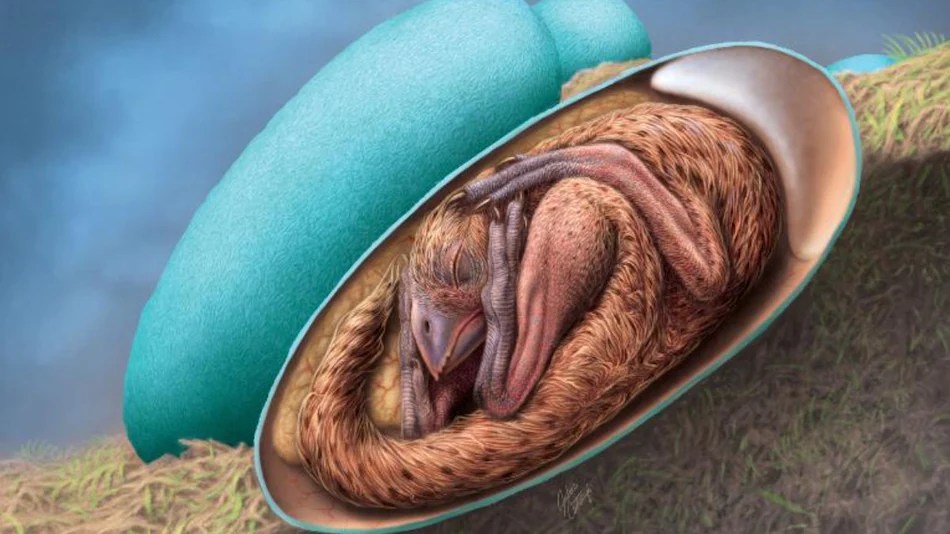
Paleontologists have found a never-seen-before fossil of a complete baby dinosaur curled up inside its egg. The fossil showed the remarkable similarities between theropod dinosaurs and the birds they would evolve into, according to a new study. The 70-million-year-old fossilised embryo has been named “Baby Yingliang” after the museum in China which houses it. The embryo is curled up inside its 6-inch elongated eggshell. At this stage, the embryo looks like that of a modern bird, but it has small arms and claws rather than wings.
The egg is about 17cm long and the baby dinosaur curled inside it is estimated to have a length of 27cm from head to tail. Researchers said had it lived, it would have grown as an adult of about 2m to 3m long. Finding embryonic dinosaur fossils are extremely rare, with such discoveries being limited to only about half a dozen sites. And, this is the first time any of them has shown signs of “tucking,” a distinctive posture usually followed by baby birds during hatching when the head is under the right arm, paleontologists said.
The findings have been published in the iScience journal this week. Study co-author Darla Zelenitsky said baby dinosaur bones are small and fragile and are only very rarely preserved as fossils, making this a very lucky find. “It is an amazing specimen. I have been working on dinosaur eggs for 25 years and have yet to see anything like it,” added Zelenitsky in an email to CNN
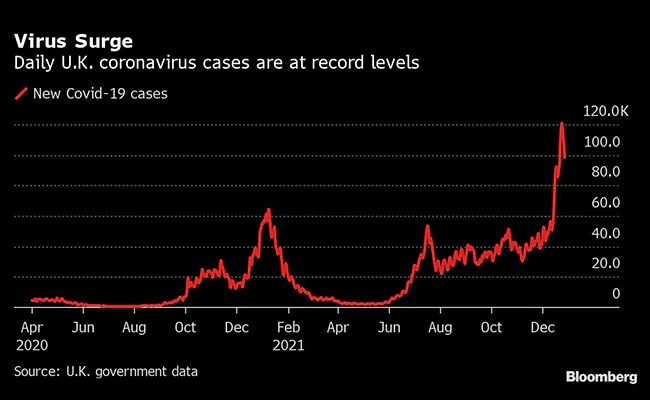
The strain first discovered at the end of November appears to be less severe and even patients who do end up in the hospital spend less time there, John Bell, regius professor of medicine at Oxford, said on BBC Radio 4’s Today program.
The omicron variant that’s taking the world by storm is not “the same disease we were seeing a year ago,” a University of Oxford immunologist said, reinforcing reports about the strain’s milder nature.
The strain first discovered at the end of November appears to be less severe and even patients who do end up in the hospital spend less time there, John Bell, regius professor of medicine at Oxford, said on BBC Radio 4’s Today program.
“The horrific scenes that we saw a year ago — intensive care units being full, lots of people dying prematurely — that is now history in my view, and I think we should be reassured that that’s likely to continue,” Bell said.
Bell’s comments came after the U.K. government said it wouldn’t introduce stricter Covid-19 restrictions in England before the end of the year.
Infections have jumped by more than a quarter of a million in the past week, heaping pressure on Prime Minister Boris Johnson to respond. Health Secretary Sajid Javid late Monday said he’s monitoring the latest data and urged people to be careful, particularly at New Year celebrations.
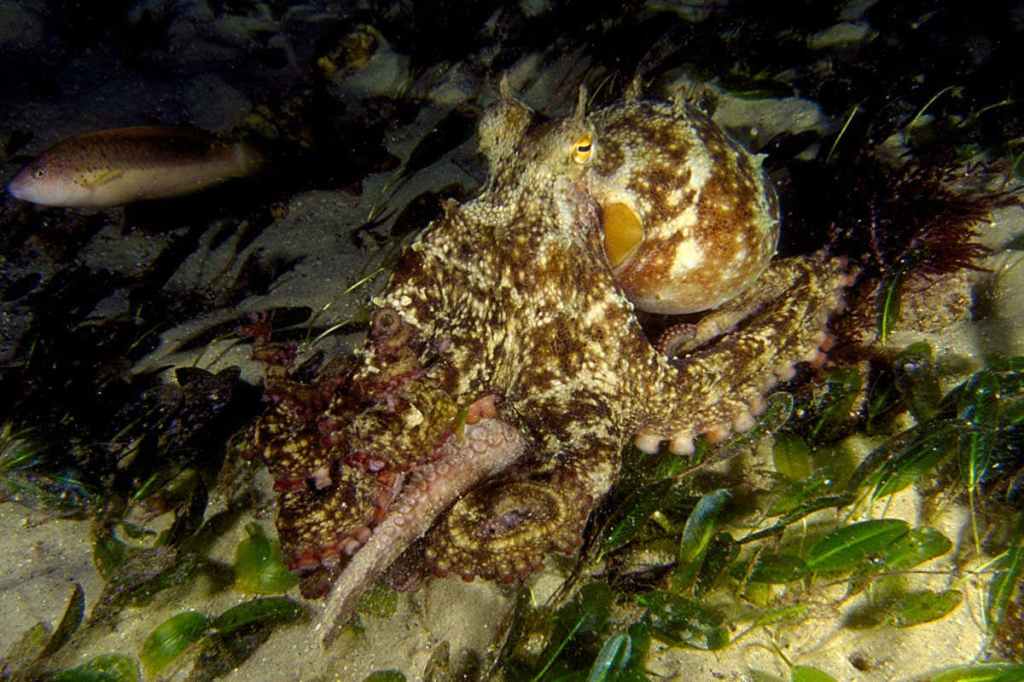
The newly-discovered octopus species inhabits the shallow waters off southwest Australia and belongs to the Octopus vulgaris group, according to a new paper published in the journal Zootaxa.
Octopus Djinda
“Benthic shallow-water species are among the most studied and best understood octopods, and are, therefore, of high interest to researchers and fishers,” said Dr. Michael Amor from the Western Australian Museum and Royal Botanic Gardens Victoria and Dr. Anthony Hart from the Western Australian Fisheries and Marine Research Laboratory.
“This attention can lead to an improved understanding of species boundaries and distributions, including the potential identification of cryptic taxa.”
“Cryptic speciation is common among octopods and examples are prevalent throughout the order Octopoda.”
“Octopuses have few hard body parts or diagnostic taxonomic traits. Further, morphological plasticity that is linked to local environmental conditions and the limited utility of traditional molecular markers have compounded our likely underestimation of species richness among octopods.”
“Within Octopoda, perhaps the most iconic example of this phenomenon is observed among members of the Octopus vulgaris group,” they added.
“This species-group represents one of the greatest octopus fisheries targets, and are of broad scientific interest (e.g., cell biology, environmental science, fisheries research, neuroscience, physiology, robotics).”
The newly-discovered species is conspecific with another member of the Octopus vulgaris group — the common Sydney octopus (Octopus tetricus) from Australia’s east coast and New Zealand — but is morphologically and genetically distinct.
Named the star octopus (Octopus djinda), the marine creature is distributed along the southwest coast of Australia, from Shark Bay to Cape Le Grand.
“This distribution closely reflects the territory of the traditional custodians of this land, the Nyoongar people (‘a person of the southwest of Western Australia’),” the researchers said.
“To recognize their connection to this land, a Nyoongar translation of ‘star’ (djinda) was selected as a species name. This use of ‘star’ (luminous) reflects the shared recent ancestry with, and now-understood distinction from, Octopus tetricus.”
The new species is a medium to large octopus, with a mantle length of 10.9-17.7 cm (4.3-7 inches).
“Octopus djinda supports a highly productive fishery and is currently one of two octopod fisheries worldwide to have received sustainable certification from the Marine Stewardship Council,” the scientists said.
“Its taxonomic description provides formal recognition of the taxonomic status of southwest Australia’s common octopus, Octopus djinda, and facilitates appropriate fisheries catch reporting and management.”
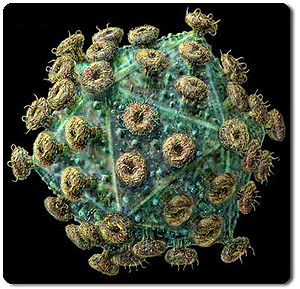
A 30-year-old woman from the city of Esperanza, Argentina — the so-called Esperanza Patient — appears to be the second person whose immune system cleared the HIV-1 virus without antiretroviral therapy.
“During infection, HIV places copies of its genome into the DNA of cells, creating what is known as a viral reservoir,” said senior co-author Dr. Xu Yu, a researcher at Ragon Institute of MGH, MIT and Harvard Brigham and Women’s Hospital, and her colleagues.
“In this state, the virus effectively hides from anti-HIV drugs and the body’s immune response.”
“In most people, new viral particles are constantly made from this reservoir.”
“Antiretroviral therapy can prevent the new viruses from being made but cannot eliminate the reservoir, necessitating daily treatment to suppress the virus.”
“Some people, known as elite controllers, have immune systems that are able to suppress HIV without the need for medication.”
“Though they still have viral reservoirs that can produce more HIV virus, a type of immune cell called a killer T cell keeps the virus suppressed without the need for medication.”
In 2020, Dr. Yu and co-authors identified the first elite controller who had no intact HIV-1 viral sequence in her genome, indicating that her immune system may have eliminated the HIV-1 reservoir — what the scientists call a sterilizing cure.
The researchers sequenced billions of cells from that patient — known as the San Francisco Patient — searching for any HIV-1 sequence that could be used to create new virus, and found none.
The newly-identified patient, like the San Francisco Patient, has no intact HIV-1 genomes in a total of 1.188 billion peripheral blood mononuclear cells and 503 million mononuclear cells from placental tissues.
“These findings, especially with the identification of a second case, indicate there may be an actionable path to a sterilizing cure for people who are not able to do this on their own,” Dr. Yu said.
“The results may suggest a specific killer T cell response common to both patients driving this response, with the possibility that other people with HIV have also achieved a sterilizing cure.”
“If the immune mechanisms underlying this response can be understood by researchers, they may be able to develop treatments that teach others’ immune systems to mimic these responses in cases of HIV infection.”
“We are now looking toward the possibility of inducing this kind of immunity in persons on antiretroviral therapy through vaccination, with the goal of educating their immune systems to be able to control the virus without antiretroviral therapy,” she said.
Hope this seemingly magical recovery opens the doors to the ultimate cure/prevention for HIV infection!
Barbary ground squirrels look for predators together as a survival strategy
Just because you’re paranoid, that doesn’t mean everything isn’t actually trying to kill you.
Ground squirrels have few natural defenses against predators, so they rely on an early warning system to identify threats and alert others to run for cover.
But unlike meerkats that take individual turns standing watch while the rest forage, ground squirrels found off the coast of Africa keep watch together — a behavior called synchronous vigilance, according to a new study published in the journal Behavioral Ecology and Sociobiology.
Lead author Annemarie van der Marel, a postdoctoral researcher at the University of Cincinnati, spent three winters studying Barbary ground squirrels, an invasive species introduced to the Canary Islands from Morocco on Africa’s mainland. The almond-eyed, striped rodents with bushy tails live in colonies and take shelter underground in a network of burrows like other ground squirrels.
“They’re pretty cute. People had them as pets and that’s how they were introduced to the Canary Islands in 1965,” she said.
“I looked at whether and why they were social. I began studying the strategies for how they evade predation and increase survival. That’s how I got to the question of the synchronous vigilance of the species,” she said.
Prey animals such as kangaroos and wild boar also use synchronous vigilance to stay safe, van der Marel said.
Co-author Marta López Darias, a researcher with the Institute of Natural Products and Agrobiology in Spain, said the synchronized behavior increased with the size of the group, similar to observations made in other species that use this defense mechanism.
Unusual for ground squirrels, the populations found in the Canary Islands are as comfortable in the trees as on the ground, she said. They seem to prefer high vantage points such as the old rock walls above the fields and ravines where they can scan all angles of their surroundings. On the Canary Islands’ Fuerteventura, the squirrels face daily threats from domestic cats and birds of prey like buzzards and common kestrels.
“When they forage, they’re most vulnerable,” van der Marel said. “So the squirrels have to balance the time spent foraging and being vigilant. Their main defense mechanism is being watchful and alerting other group members to escape predation.”
To find food, the squirrels set out daily from their underground dens to forage for roots, seeds and fruit. Active in the day, they rely on their keen vision to detect threats from the air and land. The alarm call of a nearby squirrel will alert others and may send some running for the safety of rock piles or the nearest burrow. Often, other squirrels will join in the watchful vigil.
The animals can’t look for food and be on high alert for predators at the same time. So throughout the day they stop what they’re doing to scan the environment together, often from a higher vantage point, van der Marel said.
Virtually all the squirrels spend time standing watch during the day. About one-third of the time, they do so alone. But 40% of the time, they have company. And when a predator is observed, multiple squirrels stop to stand watch 60% of the time, the study found.
Researchers found that squirrels that spent more time watching still found enough food to remain in good physical condition. Likewise, their extended vigilance did not affect their overall survival rates.
“There are plentiful resources and less predation pressure, so they don’t have to forage as much,” she said.
There are around 20,000 of these proteins expressed by the human genome. Collectively, biologists refer to this full complement as the “proteome”.
Commenting on the results from AlphaFold, Dr Demis Hassabis, chief executive and co-founder of artificial intelligence company Deep Mind, said: “We believe it’s the most complete and accurate picture of the human proteome to date.
“We believe this work represents the most significant contribution AI has made to advancing the state of scientific knowledge to date.
“And I think it’s a great illustration and example of the kind of benefits AI can bring to society.” He added: “We’re just so excited to see what the community is going to do with this.”
Proteins are made up of chains of smaller building blocks called amino acids. These chains fold in myriad different ways, forming a unique 3D shape. A protein’s shape determines its function in the human body.
The 350,000 protein structures predicted by AlphaFold include not only the 20,000 contained in the human proteome, but also those of so-called model organisms used in scientific research, such as E. coli, yeast, the fruit fly and the mouse.
This giant leap in capability is described by DeepMind researchers and a team from the European Molecular Biology Laboratory (EMBL) in the prestigious journal Nature.
AlphaFold was able to make a confident prediction of the structural positions for 58% of the amino acids in the human proteome.
The positions of 35.7% were predicted with a very high degree of confidence – double the number confirmed by experiments.
Traditional techniques to work out protein structures include X-ray crystallography, cryogenic electron microscopy (Cryo-EM) and others. But none of these is easy to do: “It takes a huge amount of money and resources to do structures,” Prof John McGeehan, a structural biologist at the University of Portsmouth, told BBC News.
Therefore, the 3D shapes are often determined as part of targeted scientific investigations, but no project until now had systematically determined structures for all the proteins made by the body.
In fact, just 17% of the proteome is covered by a structure confirmed experimentally.
Commenting on the predictions from AlphaFold, Prof McGeehan said: “It’s just the speed – the fact that it was taking us six months per structure and now it takes a couple of minutes. We couldn’t really have predicted that would happen so fast.”
“When we first sent our seven sequences to the DeepMind team, two of those we already had the experimental structures for. So we were able to test those when they came back. It was one of those moments – to be honest – where the hairs stood up on the back of my neck because the structures [AlphaFold] produced were identical.”
Prof Edith Heard, from EMBL, said: “This will be transformative for our understanding of how life works. That’s because proteins represent the fundamental building blocks from which living organisms are made.”
“The applications are limited only by our understanding.”
Those applications we can envisage now include developing new drugs and treatments for disease, designing future crops that can resist climate change, and enzymes that can break down the plastic that pervades the environment.
Prof McGeehan’s group is already using AlphaFold’s data to help develop faster enzymes for degrading plastic. He said the program had provided predictions for proteins of interest whose structures could not be determined experimentally – helping accelerate their project by “multiple years”.
Dr Ewan Birney, director of EMBL’s European Bioinformatics Institute, said the AlphaFold predicted structures were “one of the most important datasets since the mapping of the human genome”.
DeepMind has teamed up with EMBL to make the AlphaFold code and protein structure predictions openly available to the global scientific community.
Dr Hassabis said DeepMind planned to vastly expand the coverage in the database to almost every sequenced protein known to science – over 100 million structures.
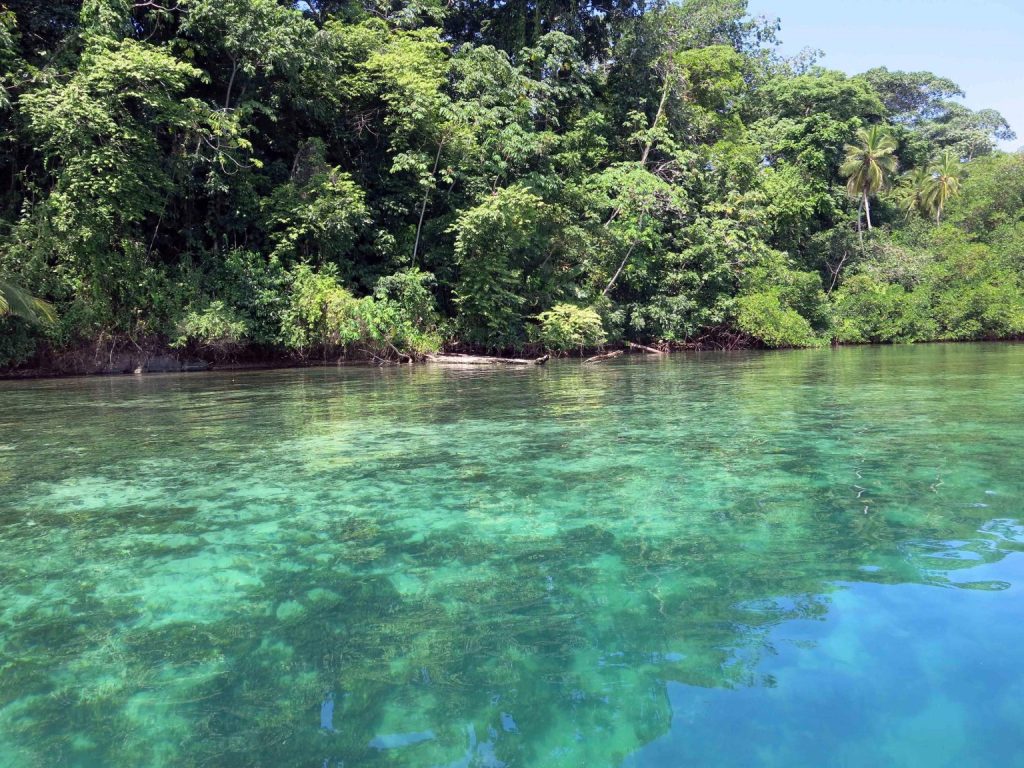
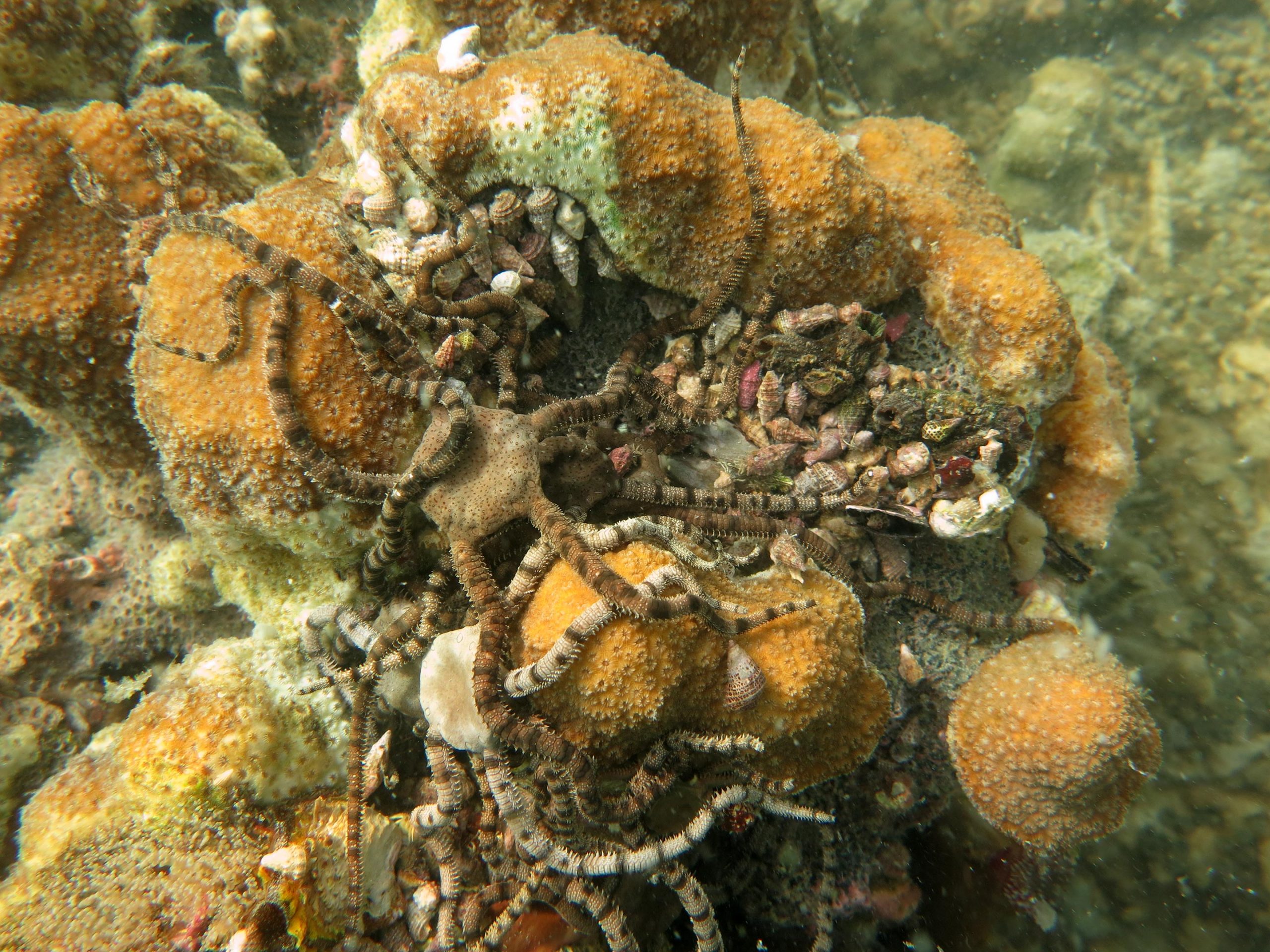
In September of 2017, Woods Hole Oceanographic Institution postdoctoral scholar Maggie Johnson was conducting an experiment with a colleague in Bocas del Toro off the Caribbean coast of Panama. After sitting on a quiet, warm open ocean, they snorkeled down to find a peculiar layer of murky, foul-smelling water about 10 feet below the surface, with brittle stars and sea urchins, which are usually in hiding, perching on the tops of coral.
This unique observation prompted a collaborative study explained in a new paper published on July 26, 2021, in Nature Communications analyzing what this foggy water layer is caused by, and the impact it has on life at the bottom of the seafloor.
“What we’re seeing are hypoxic ocean waters, meaning there is little to no oxygen in that area. All of the macro-organisms are trying to get away from this deoxygenated water, and those that cannot escape essentially suffocate. I have never seen anything like that on a coral reef,” said Johnson.
The study looks closely at the changes occurring in both coral reef and microbial communities near Bocas del Toro during sudden hypoxic events. When water drops below 2.8mg of oxygen per liter, it becomes hypoxic. More than 10% of coral reefs around the world are at high risk for hypoxia (Altieri et al. 2017- tropical dead zones and mass mortalities on coral reefs).
There is a combination of stagnant water from low wind activity, warm water temperatures, and nutrient pollution from nearby plantations, which contributes to a stratification of the water column. From this, we see these hypoxic conditions form that start to expand and infringe on nearby shallow habitats,” explained Johnson.
Investigators suggest that loss of oxygen in the global ocean is accelerating due to climate change and excess nutrients, but how sudden deoxygenation events affect tropical marine ecosystems is poorly understood. Past research shows that rising temperatures can lead to physical alterations in coral, such as bleaching, which occurs when corals are stressed and expel algae that live within their tissues. If conditions don’t improve, the bleached corals then die. However, the real-time changes caused by decreasing oxygen levels in the tropics have seldom been observed.
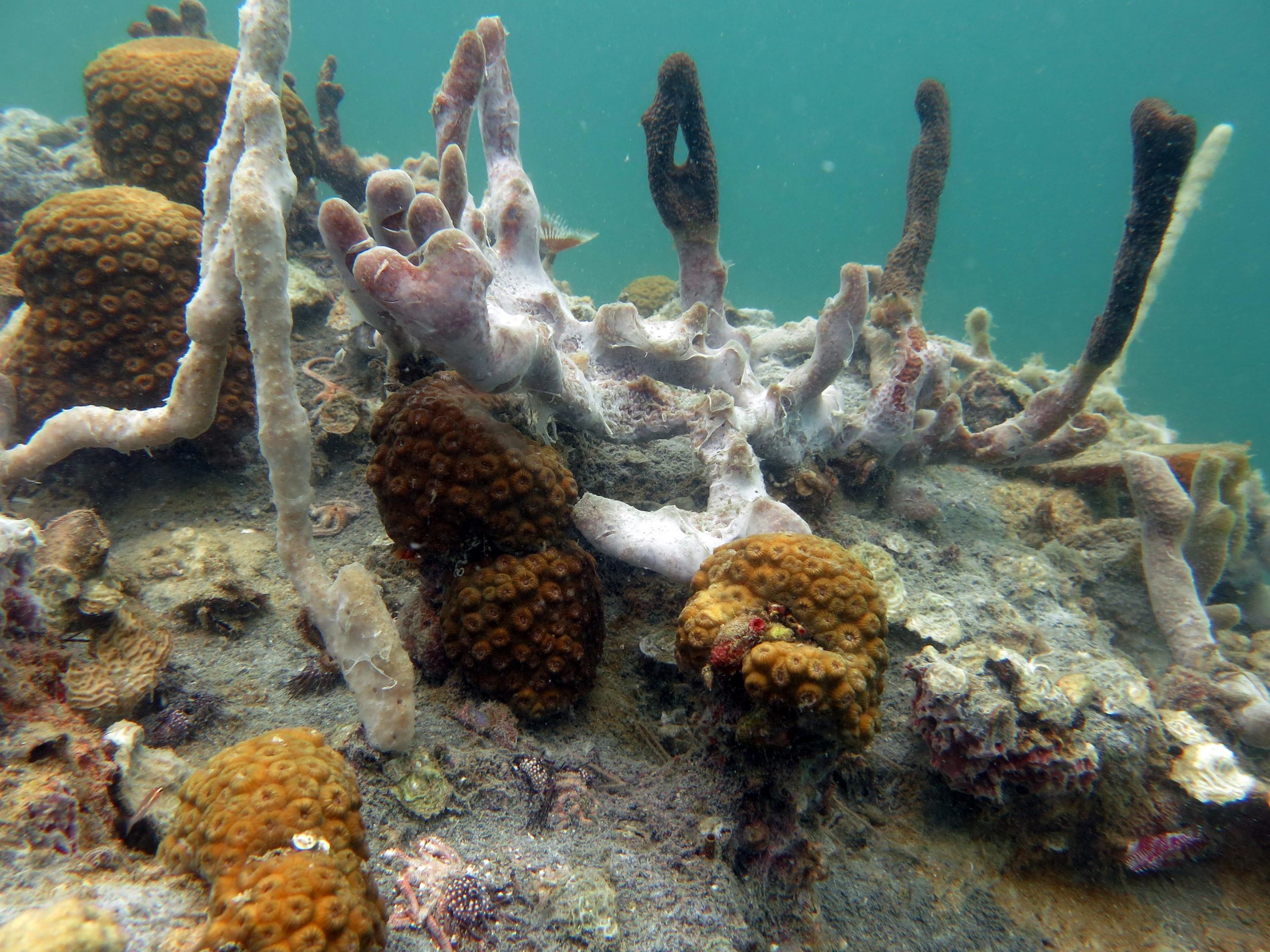
Investigators reported coral bleaching and mass mortality due to this occurrence, causing a 50% loss of live coral, which did not show signs of recovery until a year after the event, and a drastic shift in the seafloor community. The shallowest measurement with hypoxic waters was about 9 feet deep and about 30 feet from the Bocas del Toro shore.
What about the 50% of coral that survived? Johnson and her fellow investigators found that the coral community they observed in Bocas del Toro is dynamic, and some corals have the potential to withstand these conditions. This discovery sets the stage for future research to identify which coral genotypes or species have adapted to rapidly changing environments and the characteristics that help them thrive.
Investigators also observed that the microorganisms living in the reefs restored to a normal state within a month, as opposed to the macro-organisms, like the brittle stars, who perished in these conditions. By collecting sea water samples and analyzing microbial DNA, they were able to conclude that these microbes did not necessarily adjust to their environment, but rather were “waiting” for their time to shine in these low-oxygen conditions.
Investigators also observed that the microorganisms living in the reefs restored to a normal state within a month, as opposed to the macro-organisms, like the brittle stars, who perished in these conditions. By collecting sea water samples and analyzing microbial DNA, they were able to conclude that these microbes did not necessarily adjust to their environment, but rather were “waiting” for their time to shine in these low-oxygen conditions.
“The take home message here is that you have a community of microbes; it has a particular composition and plugs along, then suddenly, all of the oxygen is removed, and you get a replacement of community members. They flourish for a while, and eventually hypoxia goes away, oxygen comes back, and that community rapidly shifts back to what it was before due to the change in resources. This is very much in contrast to what you see with macro-organisms,” said Jarrod Scott, paper co-author and postdoctoral fellow at the Smithsonian Tropical Research Institute in the Republic of Panama.
Scott and Johnson agree that human activity can contribute to the nutrient pollution and warming waters which then lead to hypoxic ocean conditions. Activities such as coastal land development and farming can be better managed and improved, which will reduce the likelihood of deoxygenation events occurring.
The study provides insight to the fate of microbe communities on a coral reef during an acute deoxygenation event. Reef microbes respond rapidly to changes in physicochemical conditions, providing reliable indications of both physical and biological processes in nature.
The shift the team detected from the hypoxic microbial community to a normal condition community after the event subsided suggests that the recovery route of reef microbes is independent and decoupled from the benthic macro-organisms. This may facilitate the restart of key microbial processes that influence the recovery of other aspects of the reef community.
Chronic viral infections and cancer can cause “killer” T cells in the immune system to take on a state of dysfunction or exhaustion whereby they can no longer react to infectious invaders or abnormal cells like normal “memory” T cells. Two new studies led by investigators at Massachusetts General Hospital (MGH) and published in Nature Immunology provide insights into T cell exhaustion, which could lead to potential strategies to overcome it.
One study, which was led by Georg M. Lauer, MD, PhD, of the Division of Gastroenterology at MGH, focused on differences between memory and exhausted T cells in individuals with human hepatitis C virus (HCV) infection before and after treatment. After patients were treated and cured, their exhausted T cells tended to take on some properties of memory T cells but did not function as well as memory T cells.
“We saw some cosmetic improvement of the T cells that in a more superficial study could have been interpreted as real recovery, whereas in reality the key parameters determining the efficacy of a T cell were unchanged,” says Lauer. “A significant number of molecules that were altered were normalized after treatment, but others were stuck, and these were clearly the ones associated with T cell function.” This lack of recovery was especially prominent with a long duration of T cell stimulation by the virus; a shorter stimulation allowed the cells to revert to functional memory T cells.
“We are currently studying whether treating HCV with direct acting antiviral therapy in the acute phase of infection, instead of many years later, will result in full memory differentiation of T cells. If correct, this could indicate a short window of opportunity early during chronic infections to protect T cell function,” says Lauer.
Also, the molecules that the researchers found to be expressed in severely exhausted T cells might be targeted to rescue these cells.
A complementary study in the same issue of Nature Immunology that was led by Debattama Sen, PhD, at the Center for Cancer Research at MGH, and W. Nicholas Haining, BM, BCh, at Merck found that these exhausted T cells in chronic HCV infection were regulated epigenetically, or through physical changes in the cells’ chromosomes that affect the expression of genes. The investigators discovered that after clearing the virus, the epigenetic landscape of exhausted T cells was partially remodeled, but maintained many exhaustion-specific alterations, which the authors termed “epigenetic scars.” The epigenetic patterns paralleled the findings of the first paper on the protein and transcriptional level, indicating a key role for epigenetic control in determining the fate of the T cells. “These scars might be locking the exhausted T cells and preventing return to proper function even if the chronic infection in the patient is cured,” notes Sen. “Thus, restoring the function of these cells will likely require directly removing or inactivating these scarred regions to unlock the cells’ functionality.”
By comparing T cell responses across a range of viruses that are either effectively cleared (like influenza) or become chronic (like HCV and HIV), the scientists produced a map of where these exhaustion-specific scars occur. “This will enable precision editing and allow us to target the specific regions relevant to exhausted T cells and minimize off-target effects in other T cell populations,” says Sen.
The two studies were performed within an NIH/NIAID-funded U19 Cooperative Center on Human Immunology (CCHI) located at MGH. A third study on exhausted T cells, which was conducted by MGH CCHI investigators at the University of Pennsylvania, accompanies these two articles in Nature Immunology. A News & Views article in the journal provides additional perspectives on the implications of the studies’ findings.
exhausted immune cells in patients with chronic infections
Monsoon can take a toll on human health. From manageable disease like cold and flu, to fatal diseases like dengue, malaria and chikungunya, monsoon brings along with it health complications that can put us at risk. While it might not be possible to avoid mosquito bites, as despite using ways like using mosquito repellents and avoiding mosquito-breeding, the vector succeeds in transmitting these diseases.
In a group, you must have noticed there is always someone who will complain about mosquitoes attacking them the most. That’s because, according to a report by Huff Post mosquitoes are selective insects, and some people are more likely to get bites than others.
There are certain factors which contribute to this effect. In one controlled study by the Journal of Medical Entomology, the bugs landed on people with blood Type O nearly twice as frequently as those with Type A. The researchers noted this has to do with secretions we produce, which tips mosquitoes off on a person’s blood type.
Entomology professor at the University of Florida, Jonathan F. Day said that more research needs to be conducted on mosquitoes’ potential preference for certain blood types over others. However, he agreed that mosquitoes do pick up on some cues we give off that make the bugs more likely to land on certain people.
“These cues let them know they are going to a blood source,” Day said. “Perhaps CO2 is the most important. The amount of CO2 you produce, like people with high metabolic rates ― genetic, other factors ― increases the amount of carbon dioxide you give off. The more you give off, the more attractive you are to these arthropods.”
The next question which pops up is what separates us from the nonliving entities that give off carbon dioxide, like cars? Mosquitoes look for primary cues in conjunction with what Day calls “secondary cues.”
Lactic acid — the stuff that causes our muscles to cramp during exercise — is one of those secondary cues, for example. Lactic acid is released through the skin, signaling to mosquitoes that we are a target, Day said.
Mosquitoes also have other qualities that help them pick up on secondary cues. “Mosquitoes have excellent vision, but they fly close to the ground to stay out of the wind,” Day said. “They are able to contrast you with the horizon, so how you’re dressed matters. If you have on dark clothes, you are going to attract more because you’ll stand out from the horizon, whereas those wearing light colors won’t as much.”
A mosquito also takes in “tactile cues” once it has landed on you.
“Body heat is a really important tactile cue,” Day said. “That comes into play with genetic differences or physiological differences. Some people tend to run a little warmer — when they land, they’re looking for a place where blood is close to the skin.” That means those whose temperatures are a little higher are more likely to get the bite.
Lifestyle or other health factors may also play a role, said Melissa Piliang, a dermatologist at Cleveland Clinic. “If body temperature is higher, you’re exercising and moving around a lot, or if you’re drinking alcohol, you are more attractive to mosquitoes,” Piliang said. “Being pregnant or being overweight also increases metabolic rate.”
Huff Post also said that one study showed that people who consumed just one can of beer were more at risk of attracting mosquitoes than those who didn’t. Of course, drinking outside is a popular summer and fall activity. “If you’ve been moving around all day doing yardwork and then you stop around dusk and drink a beer on your patio, you’re definitely at risk of bites,” Piliang said.
“Like a soldier or an athlete, innate immune cells can be trained by past experiences to become better at fighting infections.”
UCLA researchers have discovered the fundamental rule that allows the human body’s immune cells to be trained to aggressively respond to viruses, bacteria and other invaders, the university announced Thursday.
UCLA researchers identified a molecular mechanism within macrophages, which are infection-fighting cells in the innate immune system, that determines whether and how well the cells can be trained to fight invaders.
“Like a soldier or an athlete, innate immune cells can be trained by past experiences to become better at fighting infections,” said the study’s lead author, Quen Cheng, an assistant clinical professor of infectious diseases at UCLA’s Geffen School of Medicine.
Cheng noted that some experiences appear to be better than others for immune training, and that “this surprising finding motivated us to better understand the rules that govern this process.”
The study was published in the journal “Science” Friday, according to UCLA, which added that the findings could lead to strategies that enhance the immune system’s function.
Researchers found that immune training can occur if a cell’s DNA becomes unwrapped and exposes new genes that enable the cell to respond more aggressively, according to the study’s senior author Alexander Hoffman, professor of microbiology and director of the Institute for Quantitative and Computational Biosciences. When DNA is wrapped, only selected regions are exposed and accessible to fight an infection.
The UCLA researchers found that the precise dynamics of a key immune signaling molecule in macrophages, which is called NFKB and helps immune cells identify threats, determine if the DNA unwraps and genes are exposed.
Researchers also reported that the dynamic activity of NFKB itself is determined by the precise type of extracellular stimulus introduced to the macrophages.
“Importantly, our study shows that innate immune cells can be trained to become more aggressive only by some stimuli and not others,” Cheng said. “This specificity is critical to human health because proper training is important for effectively fighting infection, but improper training may result in too much inflammation and autoimmunity, which can cause significant damage.”
The NFKB is activated when receptors on the immune cells detect threatening external stimuli. The dynamics of NFKB form a language that UCLA researchers compared to Morse code — it communicates to the DNA that there is an external threat and tells the genes to get ready for battle.
Researchers used the bone marrow of mice to follow the activity of NFKB in macrophages, according to UCLA. They tracked how the molecule’s dynamics changed in response to several stimuli. NFKB was successful only when the stimulus induced non-oscillating NFKB activity.
“For a long time, we’ve known intuitively that whether NFKB oscillates or not must be important, but have simply not been able to figure out how,” Cheng said. “These results are a real breakthrough for understanding the language of immune cells, and knowing the language will help us `hack’ the system to improve immune function.”
The training process was simulated with a mathematical model, as well, UCLA said. Mathematical modeling of immune regulatory systems is a key goal of Hoffman’s laboratory.
Hoffman and Cheng expect to inspire a wide range of other studies from their research, including investigations into diseases caused by immune cells, strategies to improve immune training to fight infections and how to complement existing vaccine approaches.
“This study shows how collaborations between researchers in the UCLA College and David Geffen School of Medicine can produce innovative and impactful science that benefits human health,” Hoffmann said. Cheng earned his Ph.D. under Hoffman’s guidance at UCLA’s Specialty Training and Advanced Research program.
The study’s co-lead author is Sho Ohta, an assistant professor at the University of Tokyo and a former postdoctoral scholar in Hoffmann’s UCLA laboratory. Co-authors also include UCLA M.D. and Ph.D. student Katherine Sheu; Roberto Spreafico, a former postdoctoral scholar in Hoffmann’s laboratory; Adewunmi Adelaja, UCLA M.D. student who earned his Ph.D. in Hoffmann’s laboratory; and Brooks Taylor, a former UCLA doctoral student in Hoffmann’s laboratory.
“For a long time, we’ve known intuitively that whether NFKB oscillates or not must be important, but have simply not been able to figure out how,” Cheng said. “These results are a real breakthrough for understanding the language of immune cells, and knowing the language will help us `hack’ the system to improve immune function.”
The training process was simulated with a mathematical model, as well, UCLA said. Mathematical modeling of immune regulatory systems is a key goal of Hoffman’s laboratory.
Hoffman and Cheng expect to inspire a wide range of other studies from their research, including investigations into diseases caused by immune cells, strategies to improve immune training to fight infections and how to complement existing vaccine approaches.
“This study shows how collaborations between researchers in the UCLA College and David Geffen School of Medicine can produce innovative and impactful science that benefits human health,” Hoffmann said. Cheng earned his Ph.D. under Hoffman’s guidance at UCLA’s Specialty Training and Advanced Research program.
The study’s co-lead author is Sho Ohta, an assistant professor at the University of Tokyo and a former postdoctoral scholar in Hoffmann’s UCLA laboratory. Co-authors also include UCLA M.D. and Ph.D. student Katherine Sheu; Roberto Spreafico, a former postdoctoral scholar in Hoffmann’s laboratory; Adewunmi Adelaja, UCLA M.D. student who earned his Ph.D. in Hoffmann’s laboratory; and Brooks Taylor, a former UCLA doctoral student in Hoffmann’s laboratory.
“For a long time, we’ve known intuitively that whether NFKB oscillates or not must be important, but have simply not been able to figure out how,” Cheng said. “These results are a real breakthrough for understanding the language of immune cells, and knowing the language will help us `hack’ the system to improve immune function.”
The training process was simulated with a mathematical model, as well, UCLA said. Mathematical modeling of immune regulatory systems is a key goal of Hoffman’s laboratory.
Hoffman and Cheng expect to inspire a wide range of other studies from their research, including investigations into diseases caused by immune cells, strategies to improve immune training to fight infections and how to complement existing vaccine approaches.
“This study shows how collaborations between researchers in the UCLA College and David Geffen School of Medicine can produce innovative and impactful science that benefits human health,” Hoffmann said. Cheng earned his Ph.D. under Hoffman’s guidance at UCLA’s Specialty Training and Advanced Research program.
The study’s co-lead author is Sho Ohta, an assistant professor at the University of Tokyo and a former postdoctoral scholar in Hoffmann’s UCLA laboratory. Co-authors also include UCLA M.D. and Ph.D. student Katherine Sheu; Roberto Spreafico, a former postdoctoral scholar in Hoffmann’s laboratory; Adewunmi Adelaja, UCLA M.D. student who earned his Ph.D. in Hoffmann’s laboratory; and Brooks Taylor, a former UCLA doctoral student in Hoffmann’s laboratory.
The study was funded by UCLA’s Department of Medicine’s STAR Program and the National Institutes of Health.Copyright CNS – City News Service






 BIOLOGY, ENVIRONMENT & MORE