Categories
Biology environment

World no tobacco day: Tobacco impacts environment, not just health

World No Tobacco Day is observed on May 31 every year since 1987. This year, the World Health Organization’s (WHO) theme for the Day is “Tobacco: Threat to our environment.” This drive aims to create awareness among the public on the detrimental impact of tobacco cultivation, production, distribution, and waste on the environment, besides human health. 

According to WHO, about 3.5 million hectares of land are cleared for growing tobacco each year. It causes deforestation mainly in the developing nations. Tobacco cultivation results in soil degradation, making it infertile to support the growth of other crops or vegetation. Tobacco contributes 84 megatons of the greenhouse gas carbon dioxide to the atmosphere every year; around twenty-two billion litres of water is consumed in the production of cigarettes every year. 

The situation is no different in India, where tobacco is one of the important cash crops. Today, India is the second-largest crop producer in the world after China. According to the Central Tobacco Research Centre of the Indian Council of Agricultural Research (ICAR), around 760 million kg of Tobacco is grown in India on about 40 lakh hectares of land. The sector provides jobs to millions of people and contributes as much as Rs.22,737 crore as excise duty and Rs.5,969 crore in foreign exchange to the national treasury. 

But a massive cost of tobacco cultivation is paid for by the country’s environment and people’s health. A report by the Ministry of health and family welfare says that “The total economic costs attributable to tobacco use from all diseases in India in the year 2011 for persons aged 35-69 amounted to Rs. 1,04,500 crores”. 

It is estimated that about 29% of the adult Indian population consumes Tobacco. Most commonly, it is consumed as Smokeless Tobacco Products like khaini, gutkha, and zarda. Smoking forms of tobacco are used as bidi, cigarette, hookah, etc. The smokeless forms pose high risks of oral and oesophageal cancer. Their consumption by pregnant women can also lead to stillbirth and low birth weight in infants. People addicted to smoking are, on the other hand, at very high risk of lung, oral cavity, pharynx, nasal cavity, larynx, esophagus, stomach, pancreas, liver, kidney, ureter, urinary bladder, uterine cervix, and bone marrow cancers. 

Tobacco kills more people than tuberculosis, HIV/AIDS, and malaria combined worldwide. It has also been reported that tobacco consumption in both smoking and chewing forms is significantly associated with severe COVID-19 symptoms. Tobacco users’ pre-existing health conditions, such as respiratory and cardiovascular disease, were observed to exacerbate disease symptoms, making treatment of COVID-19 patients more difficult owing to their fast clinical deterioration.

The environmental impacts of tobacco cultivation also add to India’s enormous economic burden. Tobacco is a very nutrient-hungry crop, and it depletes soil nutrients more rapidly. Tobacco cultivation requires the application of pesticides and fertilizers in large amounts, which degrade overall soil health. Tobacco cultivation results in soil erosion because it is typically grown as a monocrop (the practice of cultivating a single crop on the same farmland year after year), exposing the topsoil to wind and water. 

Besides, health risks are associated even with tobacco cultivation apart from consumption. Tobacco farmers are prone to suffer from a work-related ailment known as “Green Tobacco Sickness” (GTS), which is caused mainly by nicotine absorption via the skin. Nicotine is an addictive chemical found in tobacco. The studies carried out by the National Institute of Occupational Health (NIOH) on CTRI farms in Andhra Pradesh reveal discoloration of workers’ skin coming into contact with tobacco leaves. Headache, nausea/vomiting, dizziness, lack of appetite, exhaustion, and weakness are all signs of GTS, which can be caused even by tobacco storage in houses. Severe nicotine poisoning can adversely affect reproductive health and lead to breathlessness, blood pressure fluctuations, heart attack, and cancer. 

To cope with the tobacco epidemic, the Government of India enacted an extensive tobacco control law: The Cigarettes and Other Tobacco Products Act 2003 (COTPA 2003), in 2004. This Act includes the prohibition of smoking in public places, advertisement of cigarettes and other tobacco products, sale of cigarettes or other tobacco products to anyone below the age of 18 years, and prohibition of selling areas like schools, colleges, etc. 

To make India addiction-free, the Government has launched programmes like National Tobacco Control Programme and Nasha Mukt Bharat Abhiyaan. Department of Agriculture, Cooperation & Farmers Welfare is also implementing a crop diversification programme. Farmers are encouraged to replace tobacco crops with less water-consuming alternatives to conserve water and soil. Under irrigated conditions, sugarcane, onion, maize, etc., and under rain-fed conditions, groundnut and soybean could be potential alternatives to tobacco farming. 

The WHO’s this year’s campaign on “Tobacco: Threat to our Environment” urges governments and policymakers to strengthen legislation and implementation of existing schemes that hold tobacco companies accountable for the environmental and economic costs of waste tobacco products. 

Categories
Biology Evolution human body

Osteoporosis and Menopause

Osteoporosis is a disease that weakens bones, increasing the risk of sudden and unexpected fractures. Literally meaning “porous bone,” osteoporosis results in an increased loss of bone mass and strength. The disease often progresses without any symptoms or pain.

Many times, osteoporosis is not discovered until weakened bones cause painful fractures usually in the back or hips. Unfortunately, once you have a broken bone due to osteoporosis, you are at high risk of having another. And these fractures can be debilitating. Fortunately, there are steps you can take to help prevent osteoporosis from ever occurring. And treatments can slow the rate of bone loss if you already have osteoporosis.

What Causes Osteoporosis?

Though we do not know the exact 

of osteoporosis, we do know how the disease develops. Your bones are made of living, growing tissue. An outer shell of cortical or dense bone encases trabecular bone, a sponge-like bone. When a bone is weakened by osteoporosis, the “holes” in the “sponge” grow larger and more numerous, weakening the internal structure of the bone.

Until about age 30, people normally build more bone than they lose. During the aging process, bone breakdown begins to outpace bone buildup, resulting in a gradual loss of bone mass. Once this loss of bone reaches a certain point, a person has osteoporosis.

How Is Osteoporosis Related to Menopause?

There is a direct relationship between the lack of estrogen during perimenopause and menopause and the development of osteoporosis. Early menopause (before age 45) and any prolonged periods in which hormone levels are low and menstrual periods are absent or infrequent can cause loss of bone mass.

Until about age 30, people normally build more bone than they lose. During the aging process, bone breakdown begins to outpace bone buildup, resulting in a gradual loss of bone mass. Once this loss of bone reaches a certain point, a person has osteoporosis.

What Are the Symptoms of Osteoporosis?

Osteoporosis is often called a “silent disease” because initially bone loss occurs without symptoms. People may not know that they have osteoporosis until their bones become so weak that a sudden strain, bump, or fall causes a fracture or a vertebra to collapse. Collapsed vertebrae may initially be felt or seen in the form of severe back pain, loss of height, or spinal deformities such as stooped posture.

Who Gets Osteoporosis?

Important risk factors for osteoporosis include:

  • Age. After maximum bone density and strength is reached (generally around age 30), bone mass begins to naturally decline with age.
  • Gender. Women over the age of 50 have the greatest risk of developing osteoporosis. In fact, women are four times more likely than men to develop osteoporosis. Women’s lighter, thinner bones and longer life spans account for some of the reasons why they are at a higher risk for osteoporosis.
  • Ethnicity. Research has shown that Caucasian and Asian women are more likely to develop osteoporosis. Additionally, hip fractures are twice as likely to occur in Caucasian women as in African-American women. However, women of color who fracture their hips have a higher mortality.
  • Bone structure and body weight. Petite and thin women have a greater risk of developing osteoporosis in part because they have less bone to lose than women with more body weight and larger frames. Similarly, small-boned, thin men are at greater risk than men with larger frames and more body weight.
  • Family history. Heredity is one of the most important risk factors for osteoporosis. If your parents or grandparents have had any signs of osteoporosis, such as a fractured hip after a minor fall, you may be at greater risk of developing the disease.
  • Prior history of fracture/bone breakage.
  • Certain medications. The use of some medications, such as the long term use of steroids (like prednisone) can also increase your risk of developing osteoporosis.
  • Some medical conditions: Some diseases including cancer and stroke may increase your risk for osteoporosis.

How Do I Know if I Have Osteoporosis?

A painless and accurate test can provide information about bone health and osteoporosis before problems begin. Bone mineral density (BMD) tests, or bone measurements, are X-rays that use very small amounts of radiation to determine bone strength.

bone mineral density test is indicated for:

  • Women age 65 and older.
  • Women with numerous risk factors.
  • Menopausal women who have had fractures

How Is Osteoporosis Treated?

Treatments for established osteoporosis (meaning, you already have osteoporosis) include:

  • Medications such as alendronate (Binosto, Fosamax), ibandronate (Boniva), raloxifene (Evista), risedronate (Actonel, Atevia), and zoledronic acid (Reclast, Zometa)
  • Calcium and vitamin D supplements.
  • Weight-bearing exercises (which make your muscles work against gravity)
  • Injectable abaloparatide (Tymlos), teriparatide (Forteo) or PTH to rebuild bone
  • Injectable denosumab (Prolia, Xgeva) for women at high risk of fracture when other drugs don’t work
  • Hormone therapy

Is There a Safe Alternative to Hormone Therapy?

Alternatives to hormone therapy include:

  • Bisphosphonates. This group of medications includes the drugs alendronate (Binosto, Fosamax), risedronate (Actonel, Atelvia), ibandronate (Boniva) and zoledronic acid (Reclast, Zometa). Bisphosphonates are used to prevent and/or treat osteoporosis. All can help prevent spine fractures. Binosto, Fosamax,  Actonel, Atelvia, Reclast and Zometa can also reduce the risk of hip and other non-spine fractures.
  • Raloxifene (Evista). This drug is a selective estrogen receptor modulator (SERM) that has many estrogen-like properties. It is approved for prevention and treatment of osteoporosis and can prevent bone loss at the spine, hip, and other areas of the body. Studies have shown that it can decrease the rate of vertebral fractures by 30%-50%. It may increase the risk of blood clots.
  • Teriparatide (Forteo) and abaloparatide (Tymlos), are a type of hormone used to treat osteoporosis. They help rebuild bone and increase bone mineral density. They are given by injection and are used as a treatment for osteoporosis.
  • Denosumab (Prolia, Xgeva) is a so-called monoclonal antibody — a fully human, lab-produced antibody that inactivates the body’s bone-breakdown mechanism. It is used to treat women at high risk of fracture when other osteoporosis drugs have not worked.

How Can I Prevent Osteoporosis?

There are multiple ways you can help protect yourself against osteoporosis, including:

  • Exercise. Establish a regular exercise program. Exercise makes bones and muscles stronger and helps prevent bone loss. It also helps you stay active and mobile. Weight-bearing exercises, done at least three to four times a week, are best for preventing osteoporosis. Walking, jogging, playing tennis, and dancing are all good weight-bearing exercises. In addition, strength and balance exercises may help you avoid falls, decreasing your chance of breaking a bone.
  • Eat foods high in calcium. Getting enough calcium throughout your life helps to build and keep strong bones. The U.S. recommended daily allowance (RDA) of calcium for adults with a low-to-average risk of developing osteoporosis is 1,000 mg (milligrams) each day. For those at high risk of developing osteoporosis, such as postmenopausal women and men, the RDA increases up to 1,200 mg each day. Excellent sources of calcium are milk and dairy products (low-fat versions are recommended), canned fish with bones like salmon and sardines, dark green leafy vegetables, such as kale, collards and broccoli, calcium-fortified orange juice, and breads made with calcium-fortified flour.
  • Supplements. If you think you need to take a supplement to get enough calcium, check with your doctor first. Calcium carbonate and calcium citrate are good forms of calcium supplements. Be careful not to get more than 2,000 mg of calcium a day if you are 51 or older. Younger adults may be able to tolerate up to 2500 mg a day but check with your doctor. Too much can increase the chance of developing kidney stones.
  • Vitamin D. Your body uses vitamin D to absorb calcium. Being out in the sun for a total of 20 minutes every day helps most people’s bodies make enough vitamin D. You can also get vitamin D from eggs, fatty fish like salmon, cereal and milk fortified with vitamin D, as well as from supplements. People aged 51 to 70 should have 600 IU daily. More than 4,000 IU of vitamin D each day is not recommended. Talk to your doctor to see how much is right for you because it may harm your kidneys and even lower bone mass.
  • Medications. Most of the bisphosphonates that are taken by mouth as well as raloxifene (Evista) can be given to help prevent osteoporosis in people who are at high risk for fractures.
  • Estrogen. Estrogen, a hormone produced by the ovaries, helps protect against bone loss. It can be used as treatment for the prevention of osteoporosis. Replacing estrogen lost after menopause (when the ovaries stop most of their production of estrogen) slows bone loss and improves the body’s absorption and retention of calcium. But, because estrogen therapy carries risks, it is only recommended for women at high risk for osteoporosis and/or severe menopausal symptoms. To learn more, talk to your doctor about the pros and cons of estrogen therapy.
  • Know the high risk medications. Steroids, some breast cancer treatments (such as aromatase inhibitors), drugs used to treat seizures (anticonvulsants), blood thinners (anticoagulants), and thyroid medications can increase the rate of bone loss. If you are taking any of these drugs, speak with your doctor about how to reduce your risk of bone loss through diet, lifestyle changes and, possibly, additional medication.
  • Other preventive steps. Limit alcohol consumption and do not smoke. Smoking causes your body to make less estrogen, which protects the bones. Too much alcohol can damage your bones and increase the risk of falling and breaking a bone.
Categories
Biology Covid-19 human body

Omicron XE variant symptoms, severity, treatment. cases so far

Mumbai is the first city to report a case of omicron XE variant, In the U.K., the XE variant was discovered and is a mutation of B.1 and B.2 strains of Omicron. The WHO is currently tracking the XE mutation as part of the Omicron variant. Micron symptoms can include fever, sore throat, scratchy throat, cough and cold, skin irritation and discoloration, gastrointestinal distress, and a dry cough.

Omicron XE Variant

It was detected in the United Kingdom in January 2022 that the new variant XE of COVID-19 was identified. The WHO considers it ten times more contagious than the BA.2 variant. India’s COVID-19 XE variant has recently been updated

Once again, there has been an increase in the Coronavirus outbreak. There has been a fourth wave of Coronavirus in Asia and Europe during the past few weeks. There has been a sudden increase in new cases suspected to be caused by the corona subvariant omicron BA.2. Researchers have found a new corona XE variant in this hour of crisis.

Omicron XE Variant Symptoms

According to the organization, it is difficult to say whether it is fatal given the current situation, but knowing the signs and symptoms will help one avoid contracting the infection. Here are some symptoms of this new variant of the Coronavirus.

This variant is currently being studied. It is common for such a condition to cause early symptoms like fever, sore throat, cough, mucus and cold, and stomach problems. Additionally, the new variant can be even more dangerous for those already ill.

Since it is a mutation of the original Omicron, the vaccine may affect the new variant. The omicron effect in India was different from that in the second wave because of the large number of vaccinations during the third wave.

Omicron XE Variant Severity

Doctor Allison Arwady, Commissioner of Chicago’s Department of Public Health, said Tuesday that omicron “is likely to spread rapidly” and even more rapidly than the delta variant responsible for most of the latest outbreaks in the U.S.

It’s probably three times as contagious as the delta variant. Director Rochelle Walensky said Omicron has a two-day doubling time shorter than delta, indicating higher transmissibility. According to a study released Tuesday, the variant of the virus that is causing a surge in infections in South Africa is better at evading vaccines and causing less severe illness.

However, the data also shows that although the number of cases is increasing, hospitalizations are not rising as fast, which leads scientists to believe that the risk of hospitalization due to the virus is lower than that related to delta or earlier variants. A study adjusted for vaccination status found that admitted adults diagnosed with COVID-19 were 29% fewer than those diagnosed with the wave in mid-2020.

Omicron XE Variant Cases so Far

It is not the vaccine but reaching those at risk that has been the challenge.

Upon being asked if an Omicron vaccine was required, Mahamud said it was too early to tell but stated that a global approach should be taken and that manufacturers should not have the sole decision-making authority.

If you go ahead with Omicron, then a new antigen may emerge that is more immunoevasive or transmissible,” he said. A WHO technical group had recently met to discuss vaccine composition.

In his view, the most effective way to reduce the impact of this variant would be for the WHO to have 70% of each country’s population vaccinated by July, rather than offering third and fourth doses in some nations.

As the number of cases due to Omicron has risen, some countries, including the United States, have shortened quarantine periods for healthy people and allowed them to return to work or school earlier.

According to Mahamud, leaders should decide how strong the local epidemic is. Countries with high numbers of cases may need to omit isolation periods to maintain essential services.

Some places have shut mainly it out, so maintaining the entire 14-day quarantine period might be the best option. You should invest heavily in keeping your numbers very low if your numbers are tiny.

Categories
Biology Covid-19 human body

Post covid-19 syndrome

Long Covid-19
• Fever (83-99%)
• Cough (59-82%)
• Fatigue (44-70%)
• Anorexia (20-84%)
• SOB (31-40%)
• Myalgia (11-35%)
• Others: anosmia, loss of taste, GI, headache
Who gets Long Covid-19?
• Factors that appear to be associated with a greater risk of suffering from
“Long COVID-19” appear to be:
• Increasing age
• Excess weight/ obesity
• DM-2 ,COPD,CKD
• Patients on immunosuppression medication ,organ transplant recipients
• Multiple symptoms at presentation
Fever
• May be treated symptomatically with Paracetamol or non-steroidal antiinflammatory drugs.
• Monitoring functional status in post-acute coivd-19 patients is not yet an
exact science.
Chest Pain
Chest pain is common in post-acute covid-19 syndrome approximate
incidence 12 to 44 %. The clinical priority is to separate musculoskeletal
and other non-specific chest pain from serious cardiovascular conditions.
Cardiopulmonary complications include myocarditis, pericarditis, myocardial
infarction, dysrhythmias, and pulmonary embolus; they may present
several weeks after acute covid-19. They are commoner in patients with
pre-existing cardiovascular disease
Cough
• chronic cough as one that persists beyond eight weeks. Up to that time,
and unless there are signs of super-infection or other complications such
as painful pleural inflammation, cough seems to be best managed with
simple breathing control exercises and medication where indicated.
Thromboembolism
• Covid-19 is an inflammatory and hypercoagulable state, with an increased
risk of thromboembolic events.
• Many hospitalized patients receive prophylactic anticoagulation.
thromboprophylaxis.
• If the patient has been diagnosed with a thrombotic episode,
anticoagulation and further investigation and monitoring should follow
standard guidelines.
Neurological Sequelae
• Ischemic stroke, seizures, encephalitis, and cranial neuropathies have
been described after covid-19, but these all seem to be rare.
• A patient suspected of these serious complications should be referred to a
higher centre.
• Common non-specific neurological symptoms, which seem to co-occur
with fatigue and breathlessness, include headaches, dizziness, and
cognitive blunting (“brain fog”).
Breathlessness
• A degree of breathlessness is common after acute covid-19. Severe
breathlessness, which is rare in patients who were not Hospitalised,may
require urgent referral. Breathlessness tends to improve with breathing
exercises .
• Pulse Oximeters may be extremely useful for assessing and monitoring
respiratory symptoms after covid-19.
• An exertional desaturation test should be performed as part of baseline
assessment for patients whose resting pulse oximeter reading is 96% or
above but whose symptoms suggest exertional desaturation (such as lightheadedness or severe breathlessness on exercise).
• Typically, oxygen saturation (pulse oxymeter) would be a daily reading
taken on a clean, warm finger without nail polish, after resting for 20
minutes; the device should be left to stabilize and the highest reading
obtained should be recorded.
Fatigue
• The profound and prolonged nature of fatigue in some post-acute covid-19patients shares features with chronic fatigue syndrome described after otherserious infections including SARS, MERS, and community acquired pneumonia.
• We found no published research evidence on the efficacy of eitherpharmacological or non-pharmacological interventions on fatigue after covid-19.
• Patient resources on fatigue management and guidance for clinicians on returnto exercise and graded return to performance for athletes in covid-19 arecurrently all based on indirect evidence.
Fatigue Management
which may include:
• Energy management – 3 P’s: plan, priorities and pace,
• Anxiety- Re-assure normal for fatigue after viral infection
• Routine Gentle activity within self assessed limitation Physical activity
advice
• Rest and Sleep
• Hydration and nutrition
• Pain

Categories
Biology Covid-19 human body

Can coronavirus cause diabetes ,or make it worse?


New cases of diabetes

At the start of the coronavirus pandemic, doctors started to raise concerns around new cases of diabetes in people who had caught the virus.

Since early reports first came to light, we’ve seen results from larger studies looking at big groups of people who’ve recovered from coronavirus. One study tracked over 47,000 people in England who had been admitted to hospital because of coronavirus before August 2020. The researchers followed their health for up to seven months after they were discharged and found 5% of people went on to develop diabetes.

They also showed that people who’d been in hospital with coronavirus were 1.5 times more likely to be diagnosed with diabetes after they’d been discharged than people of the same age and background who hadn’t been in hospital with coronavirus.

In 2022, researchers in the United States published findings from their analysis of health insurance data from around 1.6 million children, under the age of 18 years.

They looked at who’d been diagnosed with diabetes between March 2020 – March 2021 and if there were any differences in rates of diagnoses between children who’d had coronavirus, children who hadn’t, and children who had other types of respiratory infections. The study didn’t distinguish between type 1 and type 2 diabetes.

The researchers studied two different sets of data. In both datasets, children who’d had coronavirus were more likely to later be diagnosed with diabetes than those who hadn’t had coronavirus or had a different type of respiratory infection.

In the first dataset, the researchers found after having coronavirus, children were around 2.5 times (166%) more likely to develop diabetes than children who hadn’t been infected. In the other dataset the increased risk was smaller, at 31%. These differences in risk are likely down to differences in the way data was classified and collected. Respiratory infections that weren’t coronavirus were not found to be linked with an increased risk of diabetes.

The evidence to suggest a link between coronavirus and new cases of diabetes is growing but there’s still a lot we don’t know. We can’t yet be sure if coronavirus is directly causing diabetes, or whether there are other factors that could explain the link.

What type of diabetes?

Small studies have suggested that rates of new type 1 diabetes diagnoses in children were higher in 2020 compared to average rates in previous years.

The causes of type 1 diabetes are complex, and scientists think that there are a variety of environmental and genetic reasons that could explain why the condition develops.

Viruses could be one of these reasons, but the evidence around this is mixed and we just don’t know for sure yet. And as coronavirus is so new, there’s a lot we still need to learn about how it interacts with our immune system and its longer-term effects.

Cases of new type 2 diabetes diagnoses have also been reported in people who have had coronavirus. This could be related to the effects of coronavirus on the body, or the effects of lifestyle changes due to the pandemic, speeding up a type 2 diabetes diagnosis or bringing existing type 2 to light.

Scientists are also looking into the possibility that coronavirus could be causing a new type of diabetes. Blood sugar levels in some people with coronavirus rise due to the stress the body is under when trying to fight the infection, or because of some of the drugs used to treat it. But we don’t yet know if, or when, high blood sugar levels in people with coronavirus return to normal after they have fully recovered.

What’s going on inside the body?

One theory is that inflammation inside the body caused by coronavirus brings about insulin resistance, a feature of type 2 diabetes, which means the body isn’t able to make proper use of the insulin it’s producing.

We also know that coronavirus uses a protein found on the surface of some cells, called ACE-2, to enter and infect them. ACE-2 is found in the pancreas and there’s some evidence that this makes it vulnerable to coronavirus infection.

Small studies looking at pancreas cells grown in the lab and pancreas samples taken from people who sadly died from coronavirus have suggested that the virus can enter and infect insulin-producing beta cells in the pancreas, causing them to die or change how they work. This means people can’t produce enough insulin.

Another theory suggests that when coronavirus infects the pancreas it could trigger the immune system to attack and destroy beta cells, a key feature of type 1 diabetes

Research into the biological processes that explain how and why coronavirus could cause diabetes is at an early stage and we need to be cautious about applying what scientists see in the lab to what’s happening in people infected with the virus. And we need more research to look at the types of diabetes we’re seeing in people who have had coronavirus to understand whether these are cases of type 1 and type 2 diabetes or something new altogether.

Finding answers

Scientists are working hard to find answers and are building a database of new cases of diabetes in people with coronavirus, called the CoviDiab registry. This will give them the information they need to carry out more thorough studies and discover more. 

On top of this, the government has pledged £18.5 million to fund research to better understand and treat the longer term effects of coronavirus. These projects could give us important insights into new cases of diabetes after coronavirus.

Research, including the PHOSP-COVID study, will also help us to fully understand if coronavirus can make existing type 2 diabetes worse in people who already live the condition. The UK-wide study is following 10,000 people who were in hospital with coronavirus to monitor the long-term impact of the virus on their health. This study will include people with type 2 diabetes and will help us to understand how their condition has been affected.

Categories
Biology human body

Primary Hypertension (Formerly Known as Essential Hypertension)

Essential (primary) hypertension occurs when you have abnormally high blood pressure that’s not the result of a medical condition. This form of high blood pressure is often due to obesity, family history and an unhealthy diet. The condition is reversible with medications and lifestyle changes.


OVERVIEW

What is primary hypertension?

Primary (essential) hypertension is high blood pressure that is multi-factorial and doesn’t have one distinct cause. It’s also known as idiopathic or essential hypertension. Above-normal blood pressure is typically anything over 120/80 mmHg. This means that the pressure inside your arteries is higher than it should be.

Why should I be concerned about essential hypertension?

Essential hypertension (now known as primary hypertension) damages your blood vessels. The condition worsens over time and can cause life-changing complications that include:

SYMPTOMS AND CAUSES

What causes essential primary hypertension?

Unhealthy habits and certain circumstances put you at risk for essential primary hypertension.

These include:

  • Being an older adult (age 65 and up).
  • Diabetes.
  • A diet that’s high in salt.
  • Drinking too much coffee and other forms of caffeine.
  • Family history of high blood pressure.
  • Obesity.
  • Excess consumption of alcoholic beverages.
  • Sedentary lifestyle with limited physical activity.
  • Sleep issues, such as insomnia.

How is primary hypertension different from other forms of hypertension?

Other types of hypertension have one distinct cause. These include a medical condition or side effects of medications. When there is a direct cause, it’s known as secondary hypertension. Primary and secondary hypertension can co-exist, particularly when there’s an acute worsening of blood pressure control, a new secondary cause should be considered.

Conditions that can cause secondary hypertension include:

What are the symptoms of essential hypertension (now known as primary hypertension)?

In the early stages, primary hypertension has no symptoms. Over time, blood vessel damage can start affecting your health.

You may experience:

DIAGNOSIS AND TESTS

How is primary hypertension diagnosed?

A diagnosis of primary hypertension is made when you have high blood pressure, but none of the conditions that cause secondary hypertension. The best way to know if you have it is by seeing a healthcare provider who will:

  • Review your medical history to rule out conditions that cause secondary hypertension.
  • Perform a blood pressure check to determine whether you have high blood pressure.

What happens during a blood pressure check?

Healthcare providers use a device with an inflatable arm cuff and dial. They inflate the cuff and watch the dial while listening to the force of blood through a stethoscope.

The test results in two readings:

  • Systolic pressure (top number) measures pressure when the arteries are full of blood.
  • Diastolic pressure (bottom number) measures pressure when the heart is at rest between beats.

Normal blood pressure is below 120/80 mmHg. If either number is higher, you may have hypertension. Your healthcare provider will take multiple readings at different time points before determining the next steps in your care.

Will I need any other tests?

If there are multiple high blood pressure readings, your healthcare provider may recommend 24-hour ambulatory blood pressure monitoring. This test regularly measures blood pressure over 24 hours, even while you sleep. Healthcare providers take the average of these readings to confirm or rule out a diagnosis of hypertension.

MANAGEMENT AND TREATMENT

What does primary hypertension treatment look like?

Primary hypertension treatment typically includes lifestyle changes and medications.

Lifestyle changes

Maintaining a healthy lifestyle includes:

  • Adding regular exercise to your routine.
  • Avoiding alcohol and recreational drugs.
  • Eating a heart-healthy diet, including low sodium consumption.
  • Maintaining good sleep habits.
  • Quitting smoking if you use tobacco.

Medications

Various medications can lower your blood pressure, including:

  • Angiotensin-converting enzyme (ACE) inhibitors help the body produce less angiotensin, a protein that raises your blood pressure. Captopril tablets are one type of ACE inhibitor.
  • Angiotensin II receptor blockers (ARBs) are medications that prevent blood vessel narrowing.
  • Beta blockers slow your heart rate and reduce the heart’s output, which lowers blood pressure. Metoprolol extended-release capsules are one type of beta blocker.
  • Calcium channel blockers, like diltiazem tablets, decrease the amount of calcium in the blood vessels. This helps muscle tissue relax to relieve narrowing.
  • Diuretics, such as furosemide tablets, help the body eliminate excess water and sodium.
  • Vasodilators help muscles in blood vessel walls relax, making it easier for blood to flow through them.

PREVENTION

How can I prevent essential (primary) hypertension from worsening?

To prevent high blood pressure from worsening you can:

  • Follow all care instructions, such as taking medications in the precise dose at specific times each day.
  • Ask your healthcare provider whether other medications you are taking may affect your blood pressure.
  • Keep all follow-up appointments so your healthcare provider can determine whether treatments are meeting your needs.
  • Stick to lifestyle changes, like quitting smoking and eating healthy.

OUTLOOK / PROGNOSIS

What is the outlook for people with primary hypertension?

Many people lower their blood pressure with medications and lifestyle changes. Some people come off blood pressure medications after maintaining a healthy lifestyle. A small number of people experience no change in blood pressure despite trying several medications (resistant hypertension).

LIVING WITH

What’s important to know about living with primary hypertension?

Medications alone are not enough to lower your blood pressure. For the best results, you need to live a healthy lifestyle.

It can be challenging to change what you eat and break old habits. Some people benefit from the help of health coaches, therapists or trusted friends. Setting realistic goals can help you make steady progress and feel your best.

A note from Cleveland Clinic

Essential hypertension is high blood pressure that is not due to another medical condition. There can be many causes, including obesity, family history and an unhealthy diet. Even though the condition does not cause symptoms, it’s critical to manage it. Essential hypertension can lead to blood vessel damage, putting you at risk for life-threatening complications. With successful treatment, you can lower your blood pressure and preserve your health for years to come.

Categories
Biology human body

Alcohol And Liver Damage


There are many health risks of chronic alcohol abuse, ranging from high blood pressure to stroke. People are most familiar with alcohol’s negative effects on the liver.

Heavy drinkers have an increased risk of jaundice, cirrhosis, liver failure, liver cancer, and many other conditions.

The definition of heavy drinking is consuming 8 drinks or more per week for women and 15 or more for men. Even a single binge-drinking episode can result in significant bodily impairment, damage, or death.

Outpatient and inpatient treatment for alcohol addiction can make quitting easier.

How Alcohol Affects The Liver

The liver breaks down and filters out harmful substances in the blood and manufactures the proteins, enzymes, and hormones the body uses to ward off infections. It also converts vitamins, nutrients, and medicines into substances that our bodies can use. The liver is also responsible for cleaning our blood, producing bile for digestion, and storing glycogen for energy.

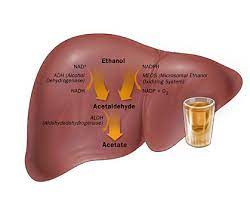
The liver processes over 90% of consumed alcohol. The rest exits the body via urine, sweat, and breathing.

It takes the body approximately an hour to process 1 alcoholic beverage. This time frame increases with each drink. The higher someone’s blood alcohol content, the longer it takes to process alcohol. The liver can only process a certain amount of alcohol at a time. When someone has too much to drink, the alcohol left unprocessed by the liver circulates through the bloodstream. The alcohol in the blood starts affecting the heart and brain, which is how people become intoxicated. Chronic alcohol abuse causes destruction of liver cells, which results in scarring of the liver (cirrhosis), alcoholic hepatitis, and cellular mutation that may lead to liver cancer. These conditions usually progress from fatty liver to alcoholic hepatitis to cirrhosis, although heavy drinkers may develop alcoholic cirrhosis without first developing hepatitis.

Per University Health Network, a safe amount of alcohol depends on a person’s weight, size, and whether they are male or female. Women absorb more alcohol from each drink in comparison to males, so they are at greater risk of liver damage. Consuming 2 to 3 alcoholic drinks daily can harm one’s liver. Furthermore, binge drinking (drinking 4 or 5  drinks in a row) can also result in liver damage.

Mixing alcohol with other medications can also be very dangerous for your liver. Never take alcohol and medication simultaneously without speaking with your physician first. When combined, certain medications (such as Acetaminophen) can lead to severe damage to your liver. Other medications that are dangerous to combine with alcohol include Antibiotics, Antidepressants, Sedatives, and Painkillers.

Symptoms Of Liver Disease

Heavy drinkers face a higher risk of developing a range of liver diseases when compared to moderate drinkers. As many as 20% of heavy drinkers develop fatty liver disease, although fatty liver disease is typically reversible with abstinence. Alcoholic hepatitis, inflammation that causes liver degeneration, can further develop into cirrhosis and may even be fatal. However, this is also reversible with abstinence.

People who regularly abuse alcohol have a compounded risk of developing liver disease if they develop an infection or are genetically predisposed to liver problems. Those consuming more than 2 drinks on a daily basis put themselves at risk of liver disease.

Common symptoms of liver disease include:

  • Yellowish skin and eyes (jaundice)
  • Abdominal pain and swelling
  • Swelling in legs and ankles
  • Dark urine
  • Nausea or vomiting
  • Itchy skin
  • Discolored stool
  • Tendency to bruise easily
  • Chronic fatigue
  • Fever
  • Disorientation
  • Weakness
  • Loss of appetite
  • Pale, bloody, or tar-colored stool

Liver disease caused by alcohol is avoidable. Most reputable sources cite moderate alcohol consumption as 1 drink per day for women and 2 for men. In general, there isn’t a type of alcoholic beverage that is safer for the liver.

Treatment For Liver Disease And Alcoholism

Many forms of liver damage can be reversible if you stop drinking or take other steps.

  • Fatty Liver disease –Reversible with abstinence
  • Alcoholic Hepatitis –Reversible with abstinence
  • Cirrhosis –Abstinence is helpful; however, it is usually fatal due to secondary complications. These can include kidney failure or hypertension in the vein carrying blood to the liver. It could stabilize with abstinence but is case-by-case sensitive.
  • Liver Cancer –Same as cirrhosis

If you have an alcohol addiction and symptoms of liver damage, it’s important to find help as soon as possible.

Between 15% and 30% of heavy drinkers are diagnosed with cirrhosis each year, but the majority of those with this disease survive if they seek treatment for their addiction. Despite this, between 40% and 90% of the 26,000 annual cirrhosis deaths are alcohol-related.

Alcohol liver diseases
Categories
Biology Covid-19 human body

Is ‘happy hypoxia’ in COVID-19 a disorder of autonomic interoception? 


One of the aspects of coronavirus disease 2019 (COVID-19) puzzling clinicians coping with management of the pneumonia that one of the disease’s complications is the presentation of patients with extremely low blood oxygenation, but no sensation of dyspnea [1]. This phenomenon has given rise to the term “happy hypoxemia” [1]. In the Wuhan cohort of patients infected with severe acute respiratory syndrome coronavirus 2 (SARS-COV-2), only 19% complained of shortness of breath; 62% of those with severe disease and 46% of those who ended up intubated, ventilated or dead did not present with dyspnea [2]. What strikes us as odd, is that these patients are tachycardic with tachypnea and respiratory alkalosis. These signs suggest that at least some sensory information must reach the brainstem to elicit a partial compensatory reflex respiratory response that is sufficent to lower the CO2 level, which diffuses more rapidly across the alveoli than oxygen. However, these patients have no conscious awareness of hypoxia.

The homeostatic afferent information emanating from the body forms part of our interoceptive system, which senses the body’s physiological condition, creates awareness, and leads to conscious feelings or symptoms [3]. This process occurs via projections from the brainstem to the cortex that allow the brain to process homeostatic afferent signals. When the brain receives the signal of internal hypoxia, it gives rise to the sensation of “air hunger” and a need to breathe, which is curiously absent in severe COVID-19 patients.

The respiratory responses to hypoxia occur due to the presence of sensory nerves in chemoreceptive areas. These recognize the shift in the internal environment, relay the information to the brainstem, and stimulate an increase in the ventilatory drive. Respiratory pathology elicits autonomic reflexes, such as bronchospasm, secretions, or cough. Dyspnea is the conscious distressing symptom of difficulty in breathing that can be triggered by many clinical conditions [4]. In the setting of cardiopulmonary illness, dyspnea arises from inputs from multiple homeostatic afferents. Interoceptive processing of these signals create a sense of shortness of breath and the urge to breathe. This primitive brainstem reflex is essential for survival as it can respond to a wide range of stimuli, including hypoxia, hypercapnia, irritants, acidosis, airway collapse, and pulmonary vascular congestion.

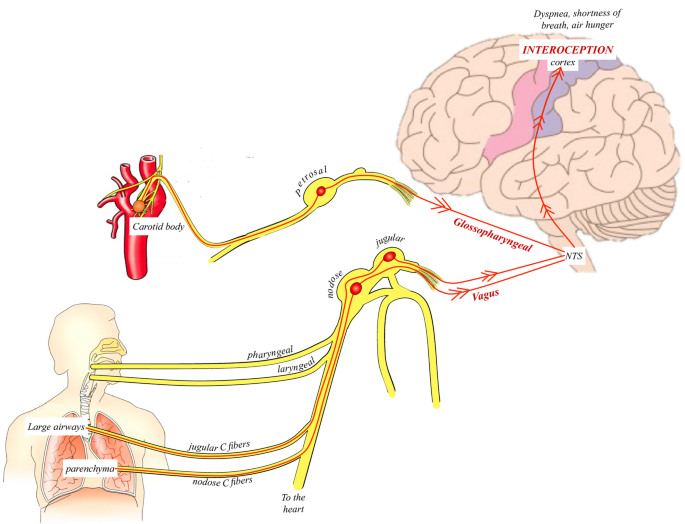
The glossopharyngeal afferents innervating the carotid body, and the vagal afferents innervating the respiratory tract, play a vital role in monitoring organ function and controlling body homeostasis through activation of the autonomic nervous system. These neurons are the primary sensory inputs of a series of reflex circuits that control key visceral functions, including blood pressure, swallowing, gastrointestinal motility, airway caliber, and tidal volume [4]. They also produce the first afferents for the conscious sensation of dyspnea.

Mechanical or chemical stimuli of pulmonary receptors expressed on afferent vagal nerve terminals in the lung arrive in the brainstem through small-diameter myelinated (Aδ)- or unmyelinated (C)-fiber nerve axons with cell bodies in the jugular or nodose ganglia of the vagus (Fig. 1). Both jugular and nodose pulmonary C-fiber afferents respond to inflammatory mediators and tissue acidification in a graded fashion; these can be considered “nociceptive” fibers as they do not react to eupneic breathing or other regular events, but are excited by “noxious” or “potentially noxious” stimuli. The jugular and nodose nerve fibers of the lung have distinct differences in terms of their embryologic origin, pharmacological responses, and neurochemistry. Thus, they serve different functions–which are hard to tease apart in the intact human. The nodose C-fibers probably play a more prominent role in the genesis of dyspnea and the subjective sensation of breathing difficulty. In contrast, jugular fibers may play a more prominent role in coughing [4]. The vagal C-fiber afferents innervate the larynx response within seconds to laryngeal discomfort and appear to be important in stimulating cough. Meanwhile, the dyspneic sensation is specifically related to the activation of a subgroup of nodose vagal afferent that express adenosine receptors. The afferent information arriving from the vagal and glossopharyngeal nerves converges at the nucleus of the tractus solitarius in the medulla, a key relay site for a variety of other critical homeostatic signals. From here, there are connections to the higher centers of the brain towards the thalamus, somatosensory cortex, insular cortex, and amygdala, all involved in the perception of breathing.

figure 1
Neurophysiology of dyspnea.

Neurophysiology of dyspnea. Main afferent (sensory) homeostatic information arising from areas of the vasculature and lungs give rise to the sensation of dyspnea. When stimulated, the chemoreceptive and mechanoreceptive signals are transmitted to the brainstem via the glossopharyngeal and vagus nerves, converging at the nucleus of the tractus solitarus (NTS). Subsequent projections continue to the somatosensory cortex and other higher brain regions, which provide the interoceptive sense of the internal environment of the body. The processing of these signals within the cortex gives rise to sensations such as air hunger, dyspnea, or shortness of breath. This interceptive processing appears to be abnormally blunted in patients with coronavirus disease 2019

The pathophysiology underlying the dissociation between profound hypoxemia and overt dyspnea in COVID-19 pneumonia is, at this point, unclear. In our experience, this disassociation exists in patients with severe lesions in the glossopharyngeal or vagus nerves due to damage to the cranial nerve after neck cancer or congenital neuropathies, but these findings are unexpectedly absent in the autopsy reports that are now emerging in COVID-19 cases.

The possibility that the novel SARS-COV-2 is neuro-invasive remains controversial. On one hand, in severe COVID-19 cases, neurological symptoms, such as anosmia, headache, altered mental status, seizures, and delirium, are common; and SARS-COV-2 is found in the cerebral spinal fluid and thought to enter the brain through synapse-connected routes [1]. The possible damage to the afferent hypoxia-sensing neurons in persons with COVID-19 could be due to the intense cytokine storm or the direct effect of SARS-COV2 on mitochondria or on the nerve fibers [1]. On the other hand, the findings from brain magnetic resonance imaging (MRI) studies and pathology reports in lethal COVID-19 cases are inconsistent and do not provide a pathophysiological correlate to explain the absence of dyspnea [5]. The common brain pathology findings in fatal COVID-19 cases are multiple areas of ischemic and micro-bleeding hemorrhagic strokes with only small regions of inflammation; however, it is worth noting that at least 40% of cases brain imaging studies were normal and there were no signals of brainstem abnormalities on the MRI scans. The neurological manifestations of other coronaviruses are even less well studied, but neuropathy and myopathy are reported in a handful of cases of both severe acute respiratory syndrome (SARS-CoV) and middle eastern respiratory syndrome (MERS-CoV). What makes COVID-19 most intriguing at this point is what the patient does not sense and what the brain does not show in terms of pathology.

Regardless of the uncertain underlying pathology, reduced perception of dyspnea is a disorder of blood-gas interoception. It may mask the severity of the medical status and ultimately delay patients from seeking urgent medical care. Patients admitted with COVID-19 can suffer sudden death after voluntary “breaks” from the oxygen supplementation. Recognizing “happy hypoxia” as a feature of COVID-19 pneumonia has led to better patient care, with physicians relying on other markers of disease, such as tachycardia, fever, or serum inflammatory acute reactants, to guide treatment or discharge patients from the hospital. Continuing research on how the novel coronavirus impacts peripheral sensors and neural pathways holds the promise of further clarifying its mechanisms.

Categories
Biology human body

Bone & protein

Nutrition and bone health are intertwined, so careful consideration should be given to your diet. While calcium and vitamin D are well known contributors to bone health, there is another big player when it comes to healthy bones and that’s protein. Adequate dietary protein is essential for bone health throughout one’s life.  It is needed to gain bone mass during childhood and adolescence, and is also needed to maintain bone mass with ageing.

Why is Dietary Protein Important?

Protein makes up approximately 50% of the volume of your bone, and about 33% of its mass. The bone protein matrix continually undergoes a process of remodeling. During the remodeling phase, cross-linking of collagen molecules in the bone results in modification of the amino acids, and many of the collagen fragments that are released during this process cannot be used to build new bone matrix. Therefore, an adequate supply of dietary protein is needed daily for the maintenance of your bones.

In addition to providing structural integrity to the bone matrix, protein plays a variety of other roles including increasing insulin-like growth factor-1 (IGF-1), which is a key mediator of bone health, increasing intestinal calcium absorption, suppressing parathyroid hormone, and improving muscle strength and mass. All of these factors may help to improve the health of your skeleton.

Sources of Protein

Research has found that plant versus animal proteins do not seem to differ in their ability to prevent bone loss (it should be noted that research studies in this particular area are limited). The Recommended Dietary Allowance (RDA) is 0.8 grams of protein for each kilogram of body weight. Keep in mind that this is the minimum level that you should consume to meet basic nutritional requirements. The current Dietary Guidelines for Americans suggest that between 10% and 35% of your daily calories should come from protein sources.  A variety of food options provide an excellent source of protein, including both animal and vegetable sources.

Good animal sources of protein include:

  • Lean cuts of red meat: grass-fed beef (top sirloin/eye of round/top round), bison
  • Poultry: pasture-raised boneless, skinless chicken or turkey breast
  • Fish: wild-caught Alaskan salmon, albacore or yellowfin tuna, rainbow trout
  • Shellfish: shrimp, oysters, scallops
  • Eggs (pasture-raised)
  • Dairy: cottage cheese, Greek yogurt

Good vegetable sources of protein include:

  • Lentils & Beans: kidney beans, pinto beans, black beans, Lima beans, split peas
  • Soy products: tempeh, organic tofu, edamame
  • Grains: quinoa, whole wheat pasta, brown rice, and oatmeal
  • Nuts: unsalted raw or dry roasted varieties such as almonds, cashews, pistachios
  • Seeds: sunflower, sesame, chia, flax & hemp seeds
  • Spirulina

The beneficial effects of dietary protein are most prominent when there is an adequate supply of both calcium and vitamin D. To ensure that you have strong, healthy bones throughout your life, ensure that you are consuming enough calcium and dietary protein and getting enough vitamin D too.

Categories
Biology

Ancient DNA reveals the world’s oldest family tree

Analysis of ancient DNA from one of the best-preserved Neolithic tombs in Britain has revealed that most of the people buried there were from five continuous generations of a single extended family.

By analysing DNA extracted from the bones and teeth of 35 individuals entombed at Hazleton North long cairn in the Cotswolds-Severn region, the research team was able to detect that 27 of them were close biological relatives. The group lived approximately 5700 years ago — around 3700-3600 BC — around 100 years after farming had been introduced to Britain.

Published in Nature, it is the first study to reveal in such detail how prehistoric families were structured, and the international team of archaeologists and geneticists say that the results provide new insights into kinship and burial practices in Neolithic times.

The research team — which included archaeologists from Newcastle University, UK, and geneticists from the University of the Basque Country, University of Vienna and Harvard University — show that most of those buried in the tomb were descended from four women who had all had children with the same man.

The cairn at Hazleton North included two L-shaped chambered areas which were located north and south of the main ‘spine’ of the linear structure. After they had died, individuals were buried inside these two chambered areas and the research findings indicate that men were generally buried with their father and brothers, suggesting that descent was patrilineal with later generations buried at the tomb connected to the first generation entirely through male relatives.

While two of the daughters of the lineage who died in childhood were buried in the tomb, the complete absence of adult daughters suggests that their remains were placed either in the tombs of male partners with whom they had children, or elsewhere.

Although the right to use the tomb ran through patrilineal ties, the choice of whether individuals were buried in the north or south chambered area initially depended on the first-generation woman from whom they were descended, suggesting that these first-generation women were socially significant in the memories of this community.

There are also indications that ‘stepsons’ were adopted into the lineage, the researchers say — males whose mother was buried in the tomb but not their biological father, and whose mother had also had children with a male from the patriline. Additionally, the team found no evidence that another eight individuals were biological relatives of those in the family tree, which might further suggest that biological relatedness was not the only criterion for inclusion. However, three of these were women and it is possible that they could have had a partner in the tomb but either did not have any children or had daughters who reached adulthood and left the community so are absent from the tomb.

Dr Chris Fowler of Newcastle University, the first author and lead archaeologist of the study, said: “This study gives us an unprecedented insight into kinship in a Neolithic community. The tomb at Hazleton North has two separate chambered areas, one accessed via a northern entrance and the other from a southern entrance, and just one extraordinary finding is that initially each of the two halves of the tomb were used to place the remains of the dead from one of two branches of the same family. This is of wider importance because it suggests that the architectural layout of other Neolithic tombs might tell us about how kinship operated at those tombs.”

Iñigo Olalde of the University of the Basque Country and Ikerbasque, the lead geneticist for the study and co-first author, said: “The excellent DNA preservation at the tomb and the use of the latest technologies in ancient DNA recovery and analysis allowed us to uncover the oldest family tree ever reconstructed and analyse it to understand something profound about the social structure of these ancient groups.”

David Reich at Harvard University, whose laboratory led the ancient DNA generation, added: “This study reflects what I think is the future of ancient DNA: one in which archaeologists are able to apply ancient DNA analysis at sufficiently high resolution to address the questions that truly matter to archaeologists.”

Ron Pinhasi, of the University of Vienna, said: “It was difficult to imagine just a few years ago that we would ever know about Neolithic kinship structures. But this is just the beginning and no doubt there is a lot more to be discovered from other sites in Britain, Atlantic France, and other regions.”

The project was an international collaboration between archaeologists from the Universities of Newcastle, York, Exeter and Central Lancashire, and geneticists at the University of Vienna, University of the Basque Country and Harvard University. Corinium Museum, Cirencester, provided permission to sample the remains in their collection.

The work received primary funding from a Ramón y Cajal grant from the Ministerio de Ciencia e Innovación of the Spanish Government (RYC2019-027909-I), Ikerbasque — Basque Foundation of Science, the US National Institutes of Health (grant GM100233), the John Templeton Foundation (grant 61220), a private gift from Jean-François Clin, the Allen Discovery Center program, a Paul G. Allen Frontiers Group advised program of the Paul G. Allen Family Foundation, and the Howard Hughes Medical Institute

DNA sequencing illustration (stock image).
Design a site like this with WordPress.com
Get started